







More Than a Humble Condiment
For generations, chutney has been a constant on the Indian table, a quick grind of herbs and spices that adds a flash of flavour to any meal. But this monsoon, something has changed. There's a renewed appreciation for homemade chutneys, a shift away from
the preservative-laden jars on supermarket shelves towards fresh, vibrant, and purpose-driven preparations. This isn't just about taste; it's a wellness trend rooted in tradition. During the rains, our digestive systems can become sluggish and our immunity can take a dip. Historically, home kitchens have turned to specific ingredients to counteract this, and chutney is the perfect vehicle for them.
The Taste of Wellness
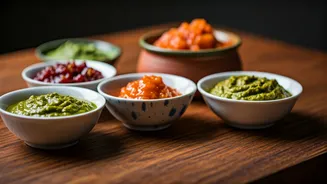
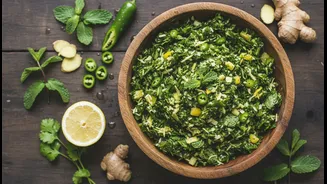
Monsoon chutneys are defined by their potent, often pungent, ingredients. Garlic, ginger, mint, tamarind, and seasonal fruits like plums are front and centre. These aren't random choices. According to Ayurvedic principles and traditional home wisdom, these ingredients are chosen for their specific properties. Garlic and ginger are known for their immunity-boosting and anti-inflammatory benefits, crucial for fending off seasonal colds and infections. Mint and coriander are cooling and aid digestion, while the tangy punch of tamarind stimulates a sluggish appetite. These chutneys are functional food, designed to be both delicious with hot snacks and beneficial for your health during the damp season.
Tradition Meets Modern Creativity
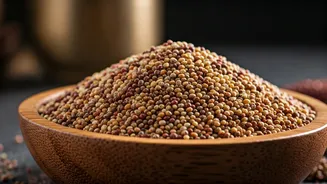
While the core ingredients remain traditional, home cooks are bringing a modern flair to their monsoon chutneys. Social media feeds are buzzing with creative interpretations. You might see a classic mint and coriander chutney get a creamy update with coconut milk, or a fiery red chilli thecha balanced with roasted peanuts. Some are experimenting with seasonal stars like raw mango, creating complex flavours by fermenting it with mustard, as seen in Bengali Aam Kasundi. This new era is also about texture and depth, with home cooks using techniques like roasting tomatoes and garlic to add a smoky dimension, transforming a simple dip into a complex flavour bomb.
The Chutney's New Role
Perhaps the biggest shift in chutney’s monsoon era is its versatility. No longer confined to the side of a plate of bhajiyas, these flavourful pastes are being used in exciting new ways. A pungent garlic chutney becomes a powerful spread for a grilled cheese sandwich, cutting through the richness of the cheese. A sweet and tangy tamarind or plum chutney can be used as a glaze for roasted meats or paneer, creating a sticky, caramelised crust. They are being whisked into salad dressings, stirred into yogurt for a quick dip, and even used to add a kick to rice bowls and noodle broths. This expanded role shows chutney is being recognised not just as a condiment, but as a foundational flavour ingredient.