


A Landmark Proposal for Travellers
Indian Prime Minister Narendra Modi announced the initiative at the 23rd ASEAN-India Summit in Manila on November 17, 2026. The plan aims to waive the government fee for obtaining an electronic tourist visa, making travel to India more accessible and
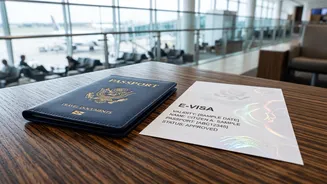
affordable for millions. This covers travellers from all 11 ASEAN countries: Brunei, Cambodia, Indonesia, Laos, Malaysia, Myanmar, the Philippines, Singapore, Thailand, Timor-Leste, and Vietnam. It’s important to note that this is a fee waiver, not a complete visa waiver; travellers will still need to apply for and receive their e-visa before departure. While the headline focuses on Thailand, Singapore, and Malaysia, the proposal extends to the entire bloc, signalling a significant step in India's 'Act East' policy.
Building on Existing Visa Arrangements
This move harmonises and expands upon India's current visa policies for the region. As of late 2026, several ASEAN countries already enjoy some form of a fee-free arrangement. For instance, citizens of Indonesia and Myanmar can get 30-day, one-year, and five-year e-tourist visas for free. Similarly, Malaysia, the Philippines, and Thailand already have access to a free 30-day e-tourist visa. For Malaysia, this free 30-day double-entry e-visa has been in effect since July 2024 and is scheduled to last until December 31, 2026. The new proposal would extend this benefit to the remaining ASEAN nations like Singapore, Brunei, Cambodia, Laos, Timor-Leste, and Vietnam, which currently pay fees ranging from $10 to $25 for a 30-day e-visa.
What This Means for Tourists
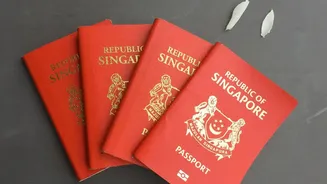
For travellers from countries like Singapore, the change would mean no longer having to pay the typical $25 fee for a 30-day tourist visa. While the proposal has been announced, the Indian government has not yet released an official start date or detailed eligibility requirements. Travellers planning trips in the immediate future should continue to follow the existing application procedures on the official government portal, indianvisaonline.gov.in. The e-visa process itself will likely remain unchanged: applicants will submit their forms online prior to their trip and get the visa stamped in their passport upon arrival at designated airports and seaports in India. This initiative simply removes the associated government processing fee, lowering the barrier to entry for tourism.
Strengthening India-ASEAN Relations
This visa fee waiver is more than just a tourism-boosting exercise; it's a key part of India's broader diplomatic outreach to Southeast Asia. Announced alongside proposals for cooperation in maritime security, disaster management, and technology, the move is designed to foster greater people-to-people connections and cultural exchange. The year 2027 will mark the 35th anniversary of India-ASEAN relations, and initiatives like this are intended to deepen the Comprehensive Strategic Partnership between the two. By making travel easier, India hopes to welcome more tourists, students, and business visitors from the region, strengthening economic and cultural bonds that will benefit both sides for years to come.