
From Closet Treasures to Catwalk-Ready
The latest trend in Navratri fashion isn’t found in a store; it’s being discovered in mothers' and grandmothers' closets. Upcycling, the art of transforming old or discarded materials into something new and valuable, is taking center stage. Young shoppers
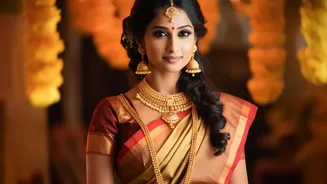
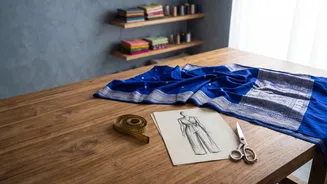
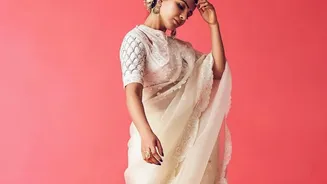
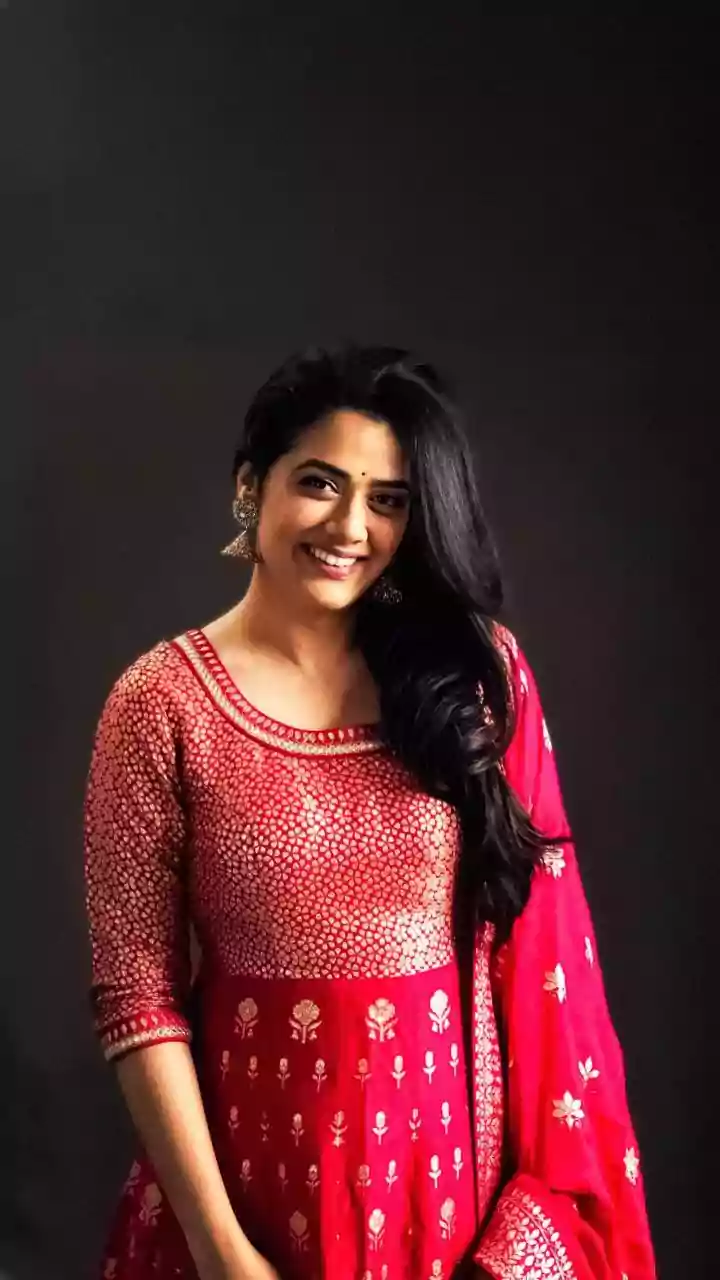
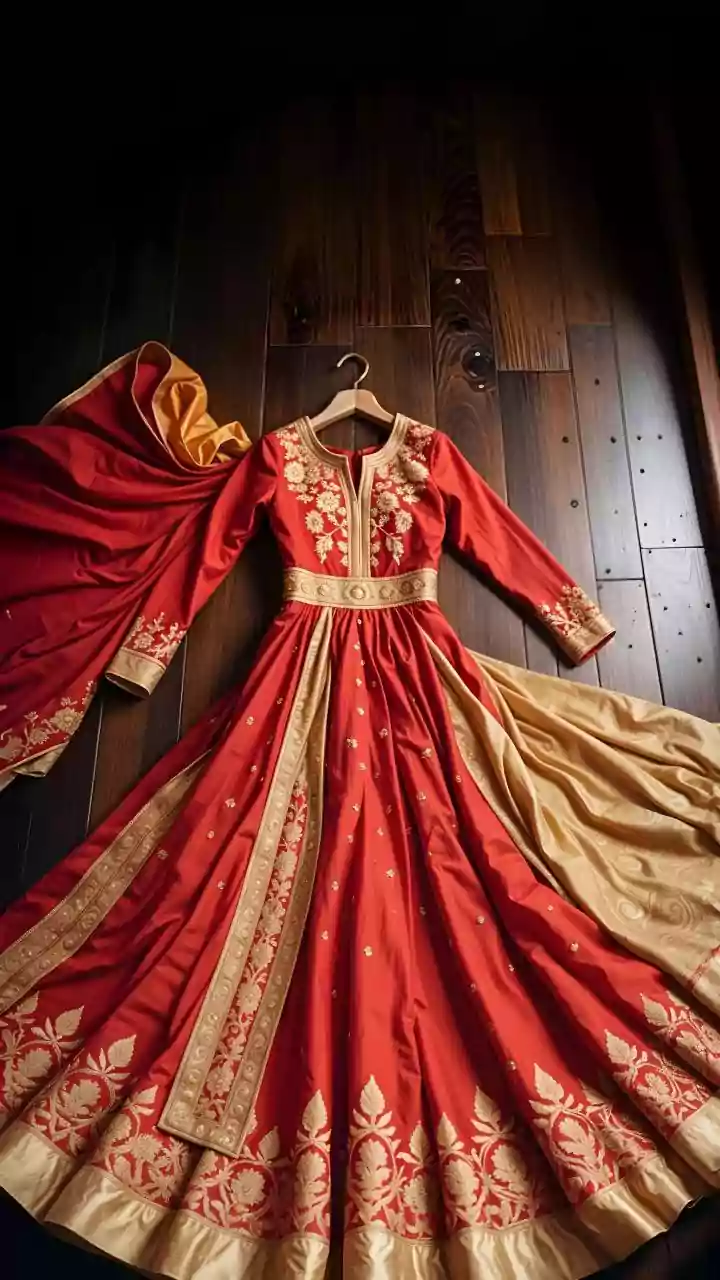
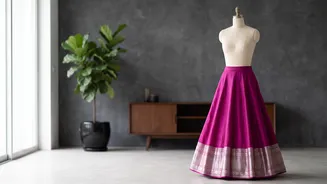
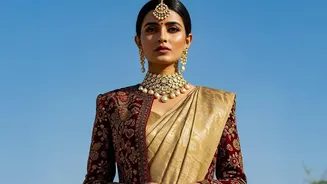
are creatively repurposing cherished family sarees—be it a classic Banarasi, a wedding Kanjeevaram, or a colourful Bandhani—into stunning, one-of-a-kind Garba outfits. This isn't simply about wearing vintage clothes. It's a thoughtful process of reimagining heritage pieces. A silk saree's ornate pallu might become a striking blouse, its body transformed into a flowing lehenga skirt. This approach allows for endless creativity, resulting in ensembles that are both deeply personal and fashion-forward. The result is a festive look that no one else can replicate, steeped in sentimental value.
Why Conscience and Creativity Drive Gen Z
This movement is fueled by a blend of conscious consumerism and a fierce desire for individuality. Gen Z, a generation highly aware of fashion's environmental impact, is increasingly rejecting the mass-produced, wear-once model of fast fashion. Opting for upcycled or sustainable fabrics like organic cotton and khadi is a deliberate choice to reduce textile waste and make a positive impact. Beyond sustainability, the trend is a powerful form of self-expression. In a world of fleeting social media microtrends, wearing an upcycled outfit is a statement of uniqueness. It’s a way to stand out from the crowd and own a piece of personal history. This approach is also budget-friendly, offering a bespoke look without the high price tag of new designer ethnic wear, a major draw for students and young professionals.
Crafting the New-Old Look
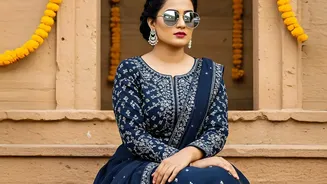
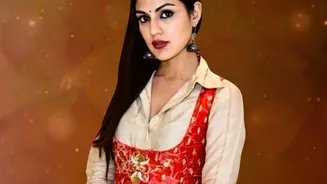
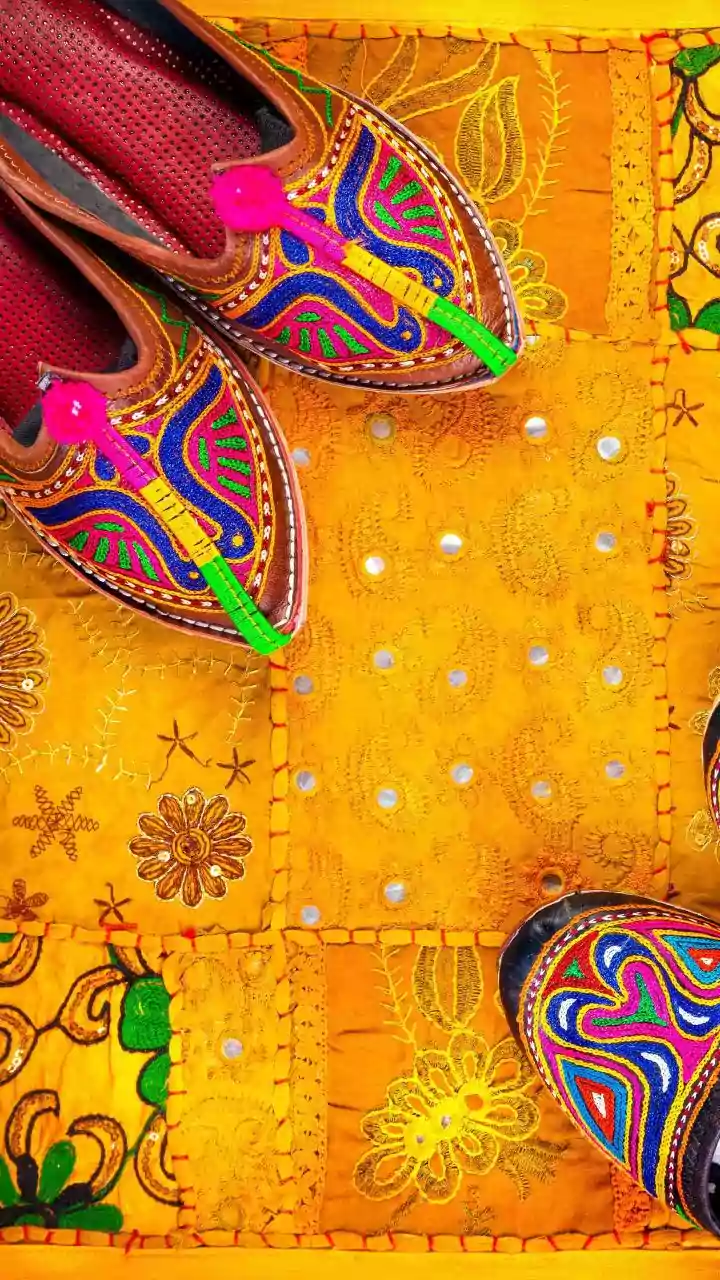
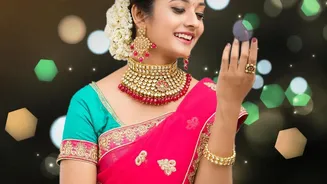
The aesthetic of upcycled Garba fashion is a masterful blend of traditional and contemporary. It’s about honouring the original craft while infusing it with a modern sensibility. This often involves mixing and matching fabrics and styles. An old brocade skirt might be paired with a minimalist crop top, or a denim jacket could be layered over a classic choli. Local tailors and designers are key partners in this creative process, helping to stitch new silhouettes from old fabrics. Fusion wear is a popular expression of this trend, with dhoti pants, cape jackets, and sharara sets made from repurposed textiles gaining favour. Accessories play a crucial role, with oxidized silver jewelry, chunky bangles, and embroidered potli bags completing the bohemian-inspired, yet deeply Indian, look.
Embracing the Sustainable Statement
Joining this trend is more accessible than it might seem. It starts with a treasure hunt through family wardrobes for sarees, dupattas, or even old kurtas with beautiful embroidery or fabric. Once you have a piece, the next step is to find a skilled tailor who can help bring your vision to life, whether it's a simple kurta or an elaborate lehenga. For those without a family collection to draw from, thrift stores and online platforms specializing in upcycled fashion are growing in popularity. Brands like Doodlage have built their identity around upcycling textile waste into chic garments. Ultimately, the idea is to think beyond buying new and consider how existing materials can be restyled, giving them a second life and making your festive celebration both stylish and mindful.