






Arnab's Current Status and Path
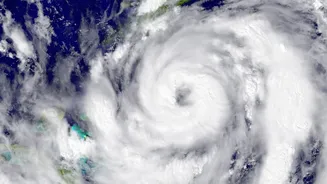
The India Meteorological Department (IMD) has confirmed that Cyclone Arnab completed its landfall process between 2 a.m. and 8 a.m. on Wednesday, October 28, crossing the coast near Yanam. It hit as a very severe cyclonic storm with wind speeds of 125-135
kmph, gusting up to 150 kmph. After making landfall, the system weakened into a 'severe cyclonic storm' and is expected to weaken further into a cyclonic storm and then a deep depression as it moves north-northwestwards over land during the next 24-48 hours. The immediate threat remains from extremely heavy rainfall and strong winds in affected regions.
Red Alert: Andhra Pradesh and Odisha
Andhra Pradesh is bearing the brunt of the storm's impact. The IMD has issued a red alert, warning of heavy to extremely heavy rainfall across coastal districts. Widespread damage to thatched houses, power lines, and crops is anticipated. Authorities have been on high alert, evacuating tens of thousands of people to safer locations ahead of the landfall. A storm surge of about one metre above the astronomical tide is likely to continue inundating low-lying coastal areas of Andhra Pradesh for several more hours. Southern Odisha is also under alert for heavy to very heavy rainfall as the storm system moves inland. The government has pre-emptively evacuated nearly 48,000 people from vulnerable areas and has disaster response teams on standby.
Yellow Alerts: Telangana, Chhattisgarh, and More
The cyclone's influence extends well beyond the immediate coastline. The IMD has issued alerts for heavy to very heavy rainfall in isolated places over Telangana and Vidarbha. Chhattisgarh is also expected to receive heavy to extremely heavy rainfall. Further afield, states including East Madhya Pradesh, Jharkhand, and Gangetic West Bengal are likely to see heavy rainfall at isolated places. Residents in these states are advised to stay updated on local weather forecasts, as conditions can change rapidly.
Essential Safety: What You Must Do Now
The National Disaster Management Authority (NDMA) urges residents in affected areas to prioritize safety. If you are in a low_lying or vulnerable coastal area, do not go outside. Stay away from damaged buildings, fallen power lines, and flooded roads. Fishermen have been warned not to venture into the sea. For those at home, secure doors and windows and move important documents and valuables to a higher, safer place. Ensure you have an emergency kit with essentials like a torch, batteries, dry food, and drinking water. Rely only on official information from the IMD and local authorities to avoid rumours.
Authorities on High Alert
A massive preparedness effort is underway. The National Disaster Response Force (NDRF), along with state disaster forces, has been deployed in coastal districts for search, rescue, and relief operations. More than 2,000 cyclone shelters were set up across districts in Andhra Pradesh, and over 84,000 people were moved to safety before the storm hit. Control rooms at the district and state levels are operating around the clock to monitor the situation and coordinate the response. Thanks to these advance precautionary measures, authorities in Andhra Pradesh reported no initial loss of life immediately following the landfall.