


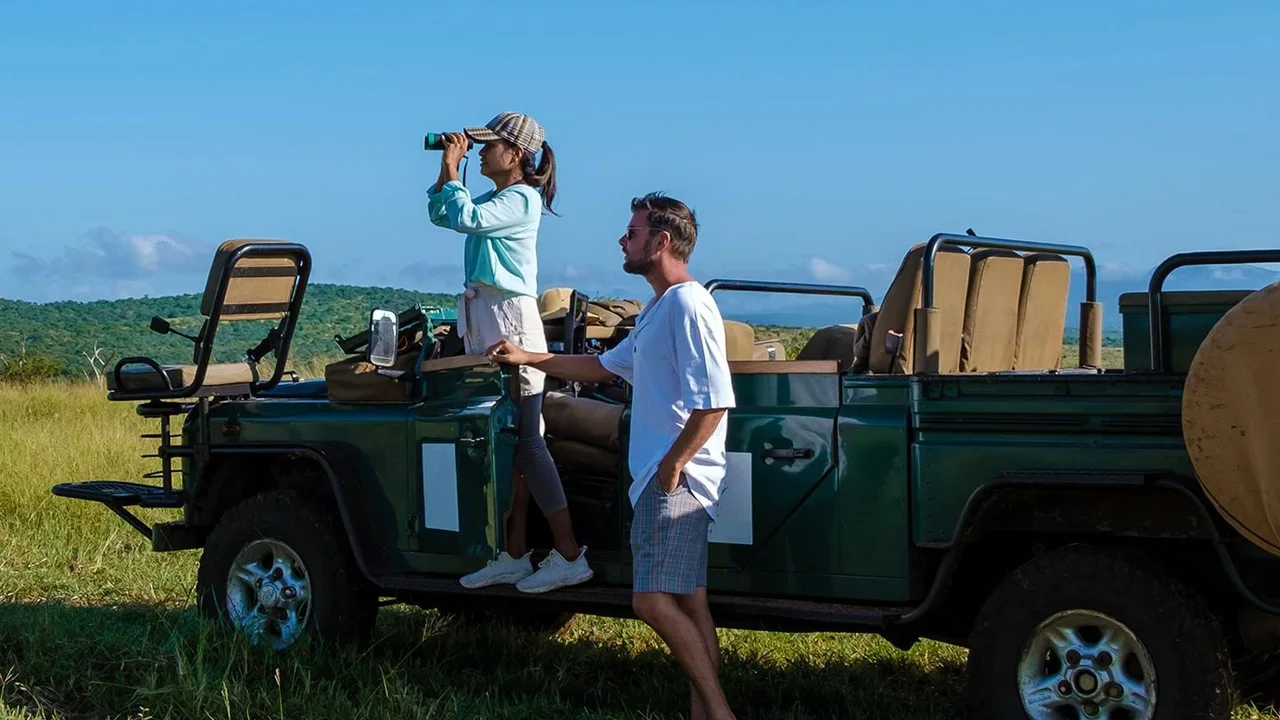
As winter settles across India, the country’s national parks transform. The crisp air, thinner foliage, and golden morning light create perfect conditions for wildlife viewing, offering a safari experience unlike any other season.
Why Winter is a Prime Safari Season
Planning a wildlife safari
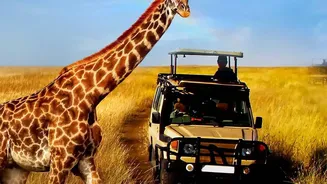
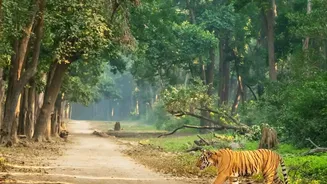
between November and February comes with distinct advantages. The weather is cool and pleasant, making early morning jeep safaris comfortable rather than a battle against the heat. This cooler climate often means animals are more active for longer periods during the day. In many parks, tigers and leopards can be seen basking in the sun to warm up. The season also coincides with the arrival of numerous migratory bird species, turning many reserves into a paradise for birdwatchers. With less dense vegetation post-monsoon, visibility is often clearer, improving your chances of spotting elusive creatures.
Ranthambore National Park, Rajasthan
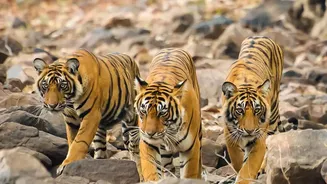
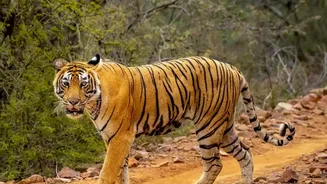
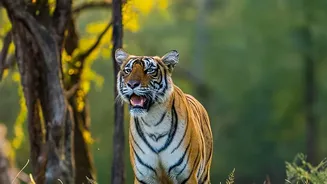
Ranthambore offers a dramatic backdrop for a winter safari, with ancient ruins and a 10th-century fort dotting the landscape. It is one of India's most famous destinations for spotting the Royal Bengal Tiger. During the chilly winter mornings, these majestic predators are often found sunning themselves on open tracks or historic structures, creating incredible photo opportunities. Besides tigers, the park is home to leopards, sloth bears, sambar deer, and a rich variety of birdlife drawn to the lakes. The comfortable daytime temperatures make exploring the different zones of the park a pleasure, and the soft winter light is particularly rewarding for photographers.
Jim Corbett National Park, Uttarakhand
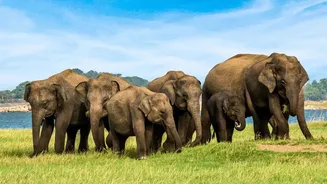
As India’s oldest national park, Jim Corbett is a legendary destination nestled in the Himalayan foothills. Winter here is defined by crisp, clear days and misty mornings that lend a magical quality to the landscape. The park’s diverse habitats are home to a significant population of Bengal tigers, large herds of Asiatic elephants, elusive leopards, and over 580 species of birds. In winter, elephants are often seen roaming the grasslands of the Dhikala zone, while the peak migratory season brings an influx of birds like bar-headed geese and ruddy shelducks to the Ramganga reservoir. Improved visibility and pleasant weather make jeep safaris through zones like Bijrani and Jhirna highly rewarding.
Kaziranga National Park, Assam
For Kaziranga, a UNESCO World Heritage Site, winter isn't just a good time to visit—it's the only time, as the park is largely inaccessible during the monsoon floods. The season, running from November to April, is ideal for exploring its vast grasslands and wetlands. Kaziranga is globally renowned for being the primary stronghold of the Indian one-horned rhinoceros. The cooler, drier weather makes wildlife spotting easier, and besides rhinos, you have a chance to see elephants, wild water buffalo, and tigers. Winter is also the peak season for birdwatching, with hundreds of migratory species arriving to join the park's resident birds, making it a world-class birding destination.
Kanha National Park, Madhya Pradesh
Often cited as the inspiration for Rudyard Kipling's 'The Jungle Book', Kanha's sprawling meadows and dense sal forests are breathtaking in winter. The park is a conservation success story, particularly for the hard-ground Barasingha (swamp deer), which was brought back from the brink of extinction here. Kanha is also one of the premier parks for tiger sightings, with the cooler temperatures keeping the animals active. During morning safaris, you can see herds of gaur (Indian bison) and spotted deer grazing in meadows covered with morning mist. The season is also excellent for birdwatching, with many migratory species flocking to the area.
Hemis National Park, Ladakh
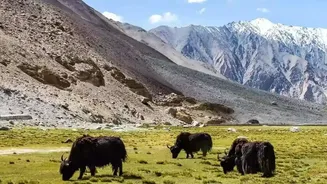
For the truly adventurous, a winter trip to Hemis National Park in Ladakh offers a wildlife experience like no other: the quest for the snow leopard. This high-altitude park, covered in a blanket of snow from December to March, is the best place in the world to spot the elusive 'Ghost of the Mountains'. The extreme cold forces these cats to descend to lower altitudes in search of prey like the blue sheep, increasing the chances of a sighting. This is not a typical jeep safari but a challenging trek that requires a good level of fitness and acclimatization to the cold and altitude. Besides the snow leopard, you may also encounter the Tibetan wolf and golden eagle in this stark, frozen landscape.