




A World Lost to Light
For many young people in urban centres across the world, the Milky Way is something seen only in photographs. The relentless glow of cities has erased the natural wonder of the night sky, creating a deep-seated desire for authentic, off-grid experiences.
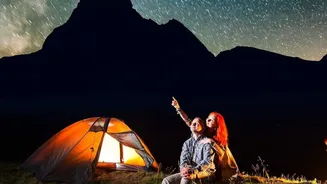
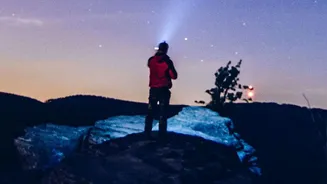
Astrotourism has emerged as a powerful answer to this, attracting a generation of travellers who are trading crowded city breaks for the profound stillness of a truly dark sky. This trend is not just about astronomy; it is a form of wellness travel, a digital detox, and a quest for a connection to something vast and real. Travellers are not necessarily amateur astronomers; many simply want to see the Milky Way with their own eyes for the first time.
India's Celestial Advantage
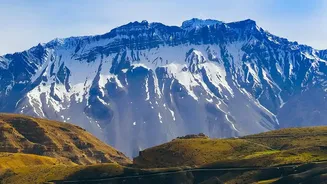
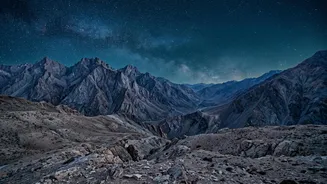
India is uniquely positioned to cater to this growing demand. Its combination of high-altitude deserts, remote Himalayan plateaus, and sparse populations creates some of the finest stargazing conditions on Earth. At elevations of 3,000 to 4,500 metres in regions like Ladakh and Spiti, the atmosphere is thin, dry, and extraordinarily clear, offering minimal interference for celestial viewing. Recognising this natural asset, authorities have begun to formalise its protection. The establishment of India's first Dark Sky Reserve in Hanle, Ladakh, was a landmark moment, signalling a commitment to preserving these pristine skies from encroaching light pollution.
Hanle: The Crown Jewel
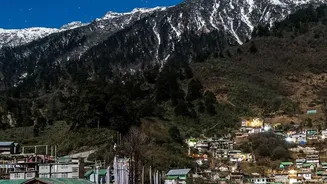
At an altitude of 4,500 metres, the village of Hanle in Ladakh is the epicentre of Indian astrotourism. Declared the nation's first official Dark Sky Reserve in 2022, the area is protected against light pollution to preserve the world-class observing conditions that led the Indian Institute of Astrophysics to establish its observatory here. On a moonless night, the Milky Way is not just visible; it can be overwhelming. The recent decision to allow foreign tourists to stay overnight has further unlocked its potential, transforming Hanle from a domestic secret into a must-visit international destination. The visitor numbers reflect this, soaring from 5,000 a year to over 30,000 after the designation, a clear sign of its burgeoning popularity.
More Than Just a View
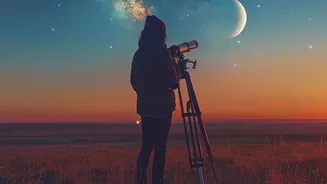
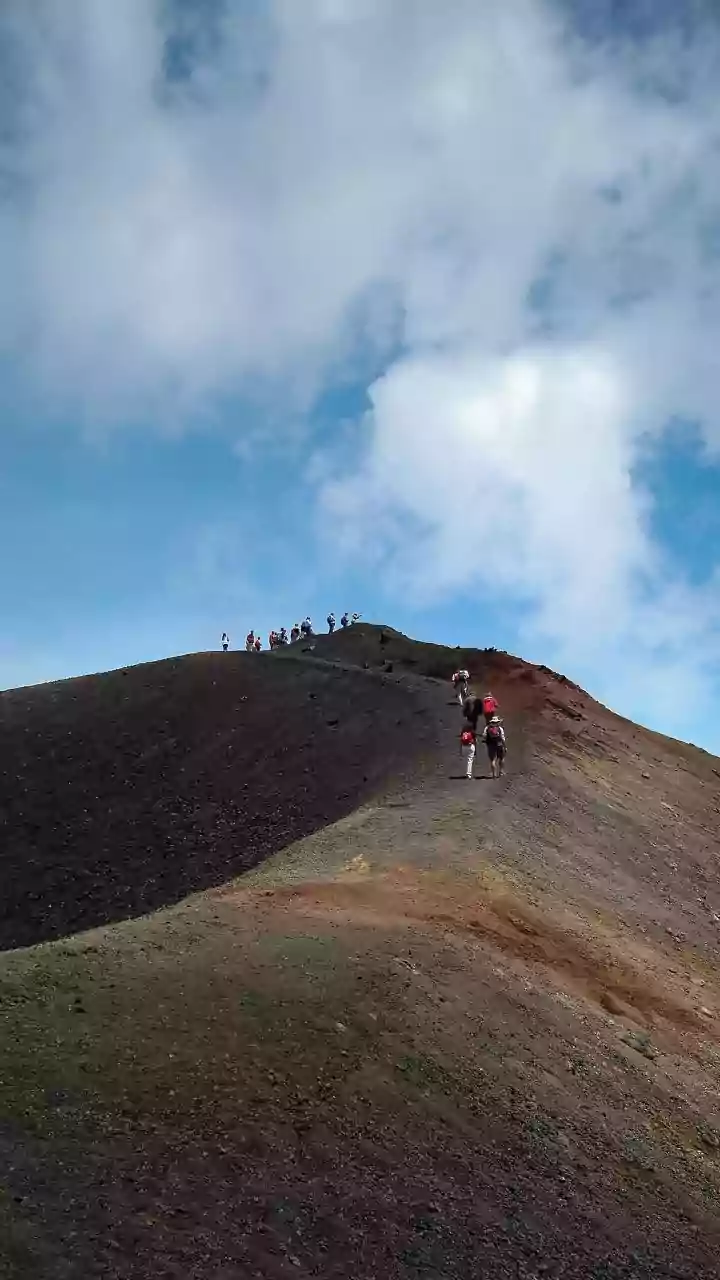
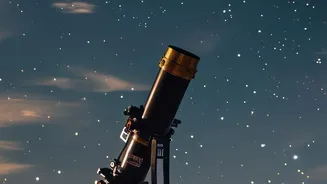
The appeal for international youth extends far beyond the stars themselves. A trip to these remote Indian destinations is an adventure in its own right. The journey to Hanle or Spiti Valley involves traversing some of the world's highest motorable roads and most spectacular mountain landscapes. This taps directly into the desire for experiences that are both challenging and rewarding. Furthermore, the rise of 'Astrostays' and community-led tourism means travellers engage directly with local culture. Homestay owners in villages like Hanle are trained as astronomy guides, offering visitors not just a telescope but also local folklore and hospitality, ensuring that tourist spending benefits the remote communities directly.
A Constellation of Destinations
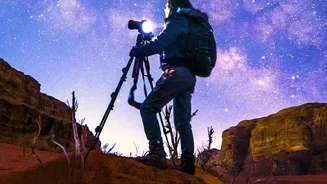
While Ladakh is the headliner, the astrotourism trend is flourishing across India. Spiti Valley in Himachal Pradesh, another high-altitude cold desert, offers skies so dark that the Milky Way can cast a faint shadow. Villages like Langza and Kibber are gaining fame among astrophotographers and adventurers. For those seeking less extreme altitudes, options abound. The salt flats of the Rann of Kutch in Gujarat provide a surreal, 360-degree celestial view, especially during the Rann Utsav festival. In the south, the coffee plantations of Coorg in Karnataka offer accessible, tranquil pockets of darkness in the Western Ghats, perfect for a more relaxed stargazing holiday.