

The Green Power in Your Peels
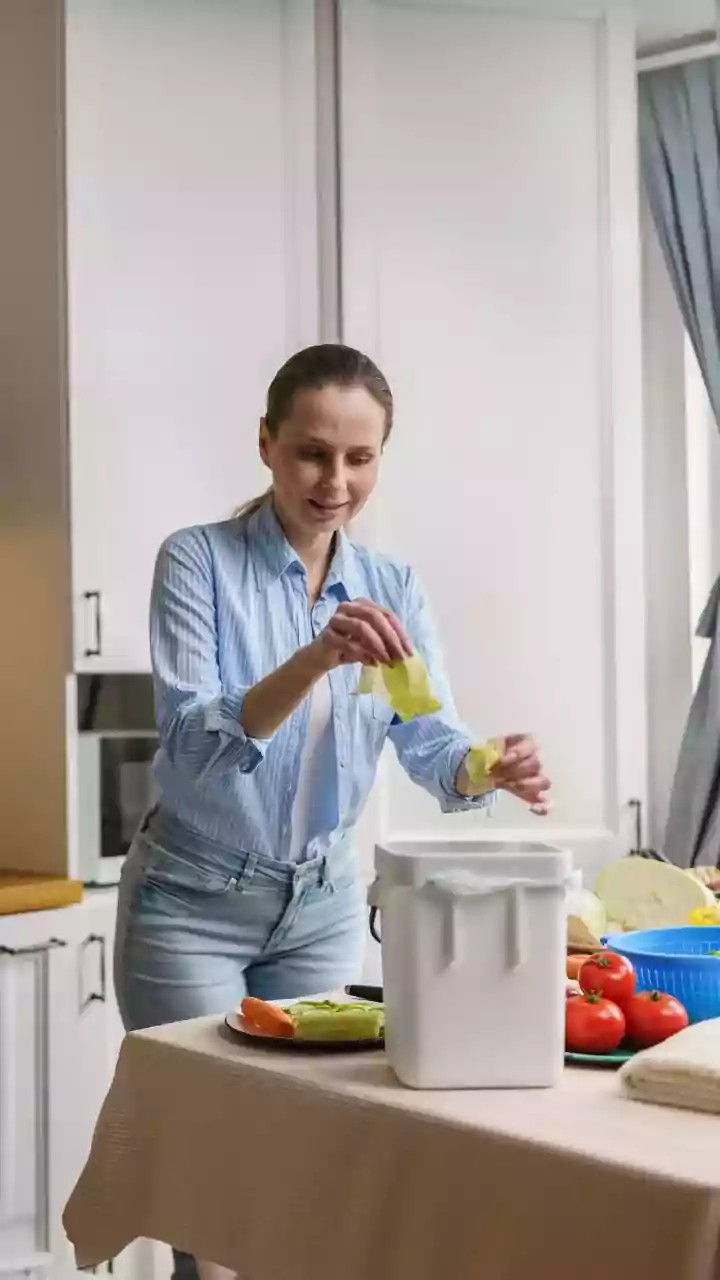
Every day, Indian households generate a significant amount of kitchen waste, much of which consists of vegetable peels, fruit scraps, and used tea leaves. Instead of ending up in landfills where they contribute to greenhouse gas emissions, these organic
materials can serve a powerful second purpose. They are rich in essential nutrients like potassium, nitrogen, phosphorus, and calcium, which are vital for plant health. By turning this waste into plant food, you not only reduce your environmental footprint but also save money on commercial fertilisers and enrich your soil naturally. This practice aligns with a circular economy approach, turning what was once considered refuse into a valuable resource for your houseplants, balcony garden, or vegetable patch.
What to Use and What to Avoid
Most uncooked plant-based scraps can be used, but knowing what to include is key to a healthy, odour-free plant tonic. Good materials include peels from potatoes, carrots, and cucumbers, as well as banana peels, crushed eggshells, and used tea leaves or coffee grounds. Potato peels are rich in phosphorus and magnesium, while banana peels provide a fantastic potassium boost, which is great for flowering and fruiting plants. However, you should strictly avoid certain items. Do not use meat, fish, dairy products, or any oily or greasy foods. These can create foul odours, attract pests like rodents and flies, and can harm the soil structure. While citrus peels can be beneficial in moderation for deterring pests, using them in large quantities can make the soil too acidic.
Method 1: The Quick 'Nutrient Tea' Infusion
One of the simplest methods for extracting nutrients is by creating a 'compost tea' or liquid fertiliser. This is perfect for beginners and those with limited space. Simply collect your clean, uncooked vegetable and fruit peels in a large jar or bucket. Fill the container with water, ensuring the scraps are fully submerged, and cover it loosely. Let this mixture steep for three to five days, stirring it occasionally. The water will gradually turn a light brown as it leaches nutrients from the peels. After a few days, the liquid will be packed with goodness but won't yet have developed the strong smells of long-term fermentation. Strain the liquid through a colander or cheesecloth to separate the solids. Your nutrient tea is now ready. The leftover solids can be buried deep in garden soil or added to a proper compost bin.
Method 2: Direct-to-Soil Composting
Another effective technique is 'trench composting', which involves burying the kitchen scraps directly in your garden bed or a large pot. This method is simple and avoids the need for bins and brewing. Dig a hole or trench about 8-12 inches deep, away from the immediate roots of your plants. Place a layer of vegetable peels and scraps in the bottom and cover it back up with soil. The soil microbes will go to work breaking down the organic matter directly where it's needed. It's important to bury the scraps deep enough to avoid attracting pests. Over time, this process enriches the soil, improves its structure and water retention, and provides a slow-release source of nutrients for nearby plants. Be aware that fresh scraps can temporarily 'borrow' nitrogen from the soil to decompose, so it's best to do this in an area you plan to plant in later, rather than right next to delicate seedlings.
Tips for Success and Application
When using your homemade liquid fertiliser, it's best to dilute it with water—a 1:1 ratio is a good starting point. Use this solution to water your plants at the soil level once every couple of weeks during their growing season. For used tea leaves, you can either add them to your compost tea brew or let them dry out and sprinkle them directly onto the soil surface, where they can help improve soil structure. Always use fresh, clean peels and avoid any that are mouldy or diseased. Chopping larger peels into smaller pieces will help them break down much faster, whether you are brewing a tea or burying them. Pay attention to your plants; they will show you if they are happy. If you notice any signs of pests or mould, reconsider your method—ensure scraps are buried deeply or that your 'tea' isn't brewing for too long.