

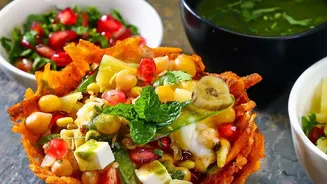
The New Festive Plate
Across the country, a collective shift in consciousness is reshaping the way we approach festive food. Spurred by a greater awareness of wellness and health, families are beginning to ask new questions about old recipes. This isn't about deprivation or
skipping beloved rituals; it's about intelligent adaptation. The new festive plate is less about counting calories and more about counting nutrients. It embraces the idea that small, thoughtful changes can lead to a more balanced celebration. The demand is growing for food that nourishes as much as it delights, leading to innovative approaches that honour tradition while supporting well-being.
Reimagining Mithai
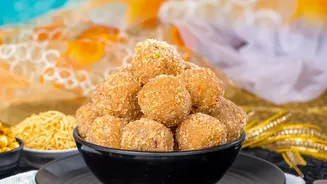
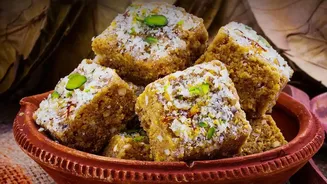
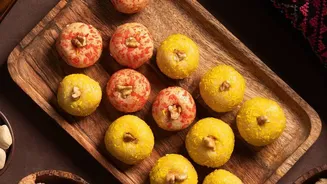
The mithai box is often the centrepiece of any festival, and it's here that the changes are most apparent. Refined sugar is making way for natural sweeteners that have deep cultural roots. Jaggery, celebrated for its mineral content, is once again the star in laddoos and chikkis. Dates and figs are being used to create rich, no-sugar-added barfis and rolls, their natural stickiness binding nuts and seeds into wholesome treats. Even the base of these sweets is getting a makeover. Ancient superfoods like millets are being embraced, with ragi, jowar, and bajra flours replacing refined maida. These ingredients add fibre and a distinctive nutty flavour, creating sweets like ragi laddoos and millet-based kheer that are both delicious and easier on the digestive system.
Savoury Snacks Get A Lighter Touch
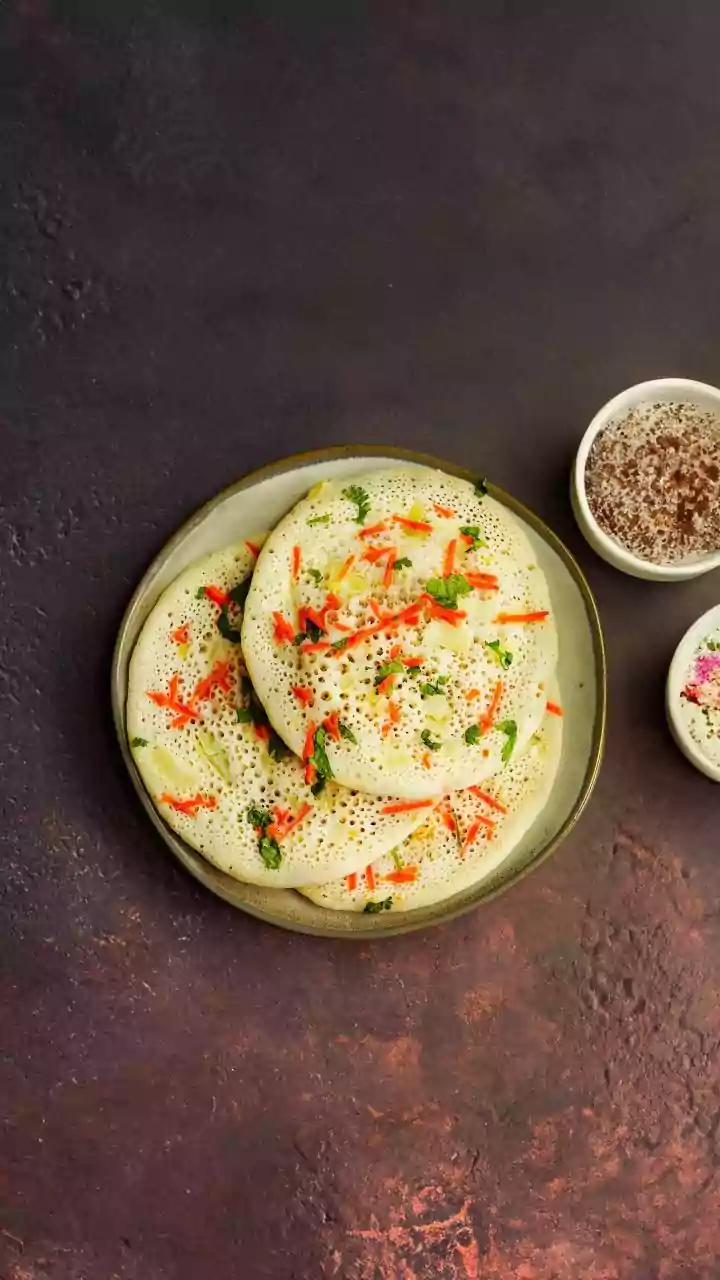
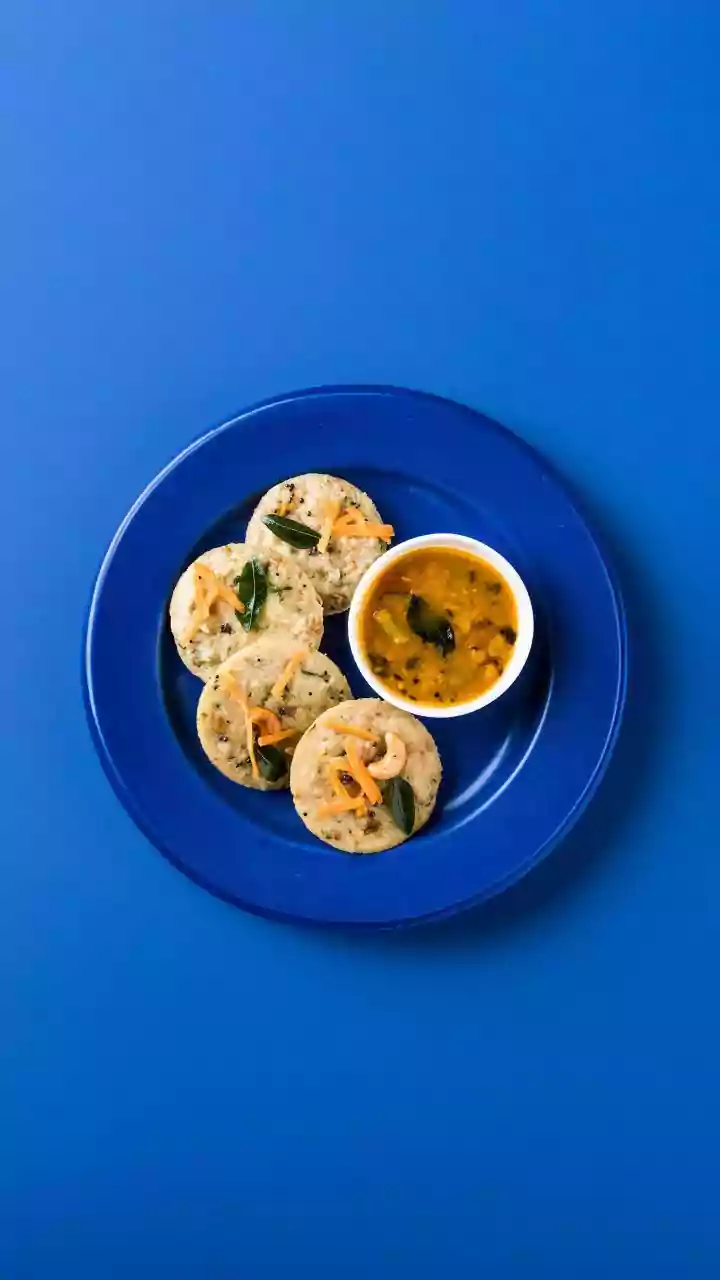
The evolution isn't limited to sweets. The world of crispy, fried savouries is also getting a conscious upgrade. While the pleasure of a deep-fried samosa is undeniable, many are discovering that a baked or air-fried version can be just as satisfying. Kitchen gadgets like air-fryers and ovens are becoming festive staples, used to create crunchy chakli, baked mathri, and roasted chivda with a fraction of the oil. This shift doesn’t just reduce the fat content; it also changes the texture and flavour in interesting ways, allowing the taste of the spices to come through more clearly. Baked vada and guilt-free potato bread rolls are now making appearances on festive platters, proving that the crunch doesn't have to come from deep-frying.
Why The Shift To Conscious Eating?
This trend is more than a fleeting fad; it’s a response to modern life. A growing awareness around health, particularly in diabetes-conscious households, has made families look for alternatives so everyone can partake in the celebrations. The 'mindful eating' philosophy encourages enjoying food slowly and with awareness, which naturally leads to better choices. It’s also about rediscovering heritage. Many of the 'new' healthy ingredients are actually ancient grains and traditional sweeteners that were once staples of the Indian diet. By bringing millets and jaggery back to the festive table, people are connecting with culinary roots while adapting them for a contemporary, health-aware lifestyle. The goal is no longer just to feast, but to feast well.
Joy Remains The Main Ingredient
Perhaps the most important aspect of this culinary evolution is the emphasis on retaining the spirit of the celebration. As chef Sanjeev Kapoor notes, the idea is not to completely change the soul of a dish. Festive food should still taste like festive food. The joy of sharing a meal, the nostalgia of a familiar flavour, and the comfort of a traditional recipe are non-negotiable. This conscious approach isn't about restriction but about refinement. It’s about making small swaps and using better techniques to create food that leaves you feeling energised and happy, not heavy and guilty. The focus remains on flavour, community, and celebration, ensuring that the heart of festive eating beats as strongly as ever.