



The Rise of a New Escape
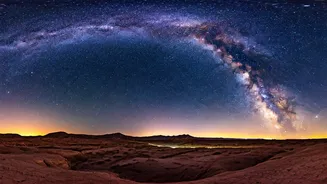
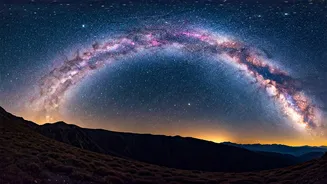
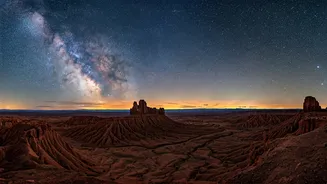
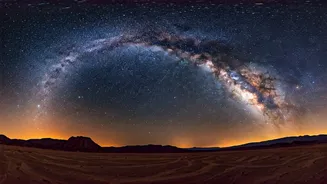
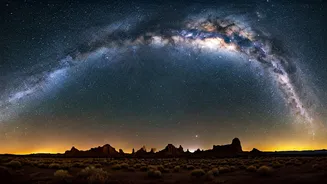
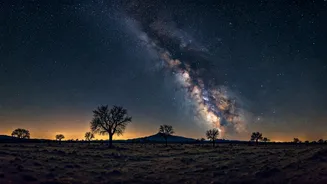
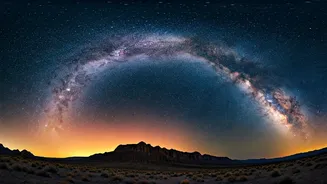
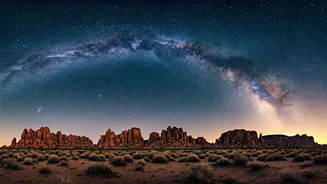
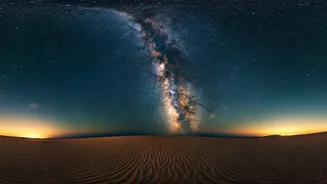
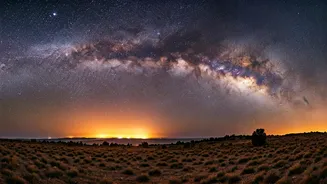
They call it 'astrotourism', and it's about much more than just looking up. It’s a deliberate journey away from the chaos and light pollution of urban centres to places where the cosmos reveals itself in full glory. The trend has been fuelled by a post-pandemic
shift towards meaningful, nature-based travel. After years of being cooped up, travellers are seeking wide-open spaces and a deeper connection to the world around them—and above them. Startups and local communities are now curating experiences, from simple homestays with a telescope to dedicated observatories, making the universe more accessible than ever before. This isn't just a vacation; it's a cosmic reset, a chance to find perspective under a blanket of infinite stars.
Hanle, Ladakh: India's Dark Sky Sanctuary
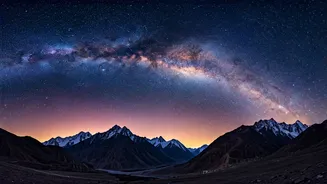
If there's one place at the heart of India's astrotourism boom, it's Hanle in Ladakh. In 2022, this remote, high-altitude region was officially designated as India's first Dark Sky Reserve. What does that mean? The area has committed to preserving its pristine night skies by minimising light pollution. Situated over 4,500 metres above sea level, Hanle's dry, cold desert air offers exceptionally clear and stable atmospheric conditions, making it a dream for astronomers and stargazers alike. Home to the Indian Astronomical Observatory, the village offers a chance to see the Milky Way so clearly it feels like you could reach out and touch it. A trip here is a pilgrimage for anyone serious about seeing the night sky as it was meant to be seen.
Spiti Valley, Himachal: A High-Desert Canvas
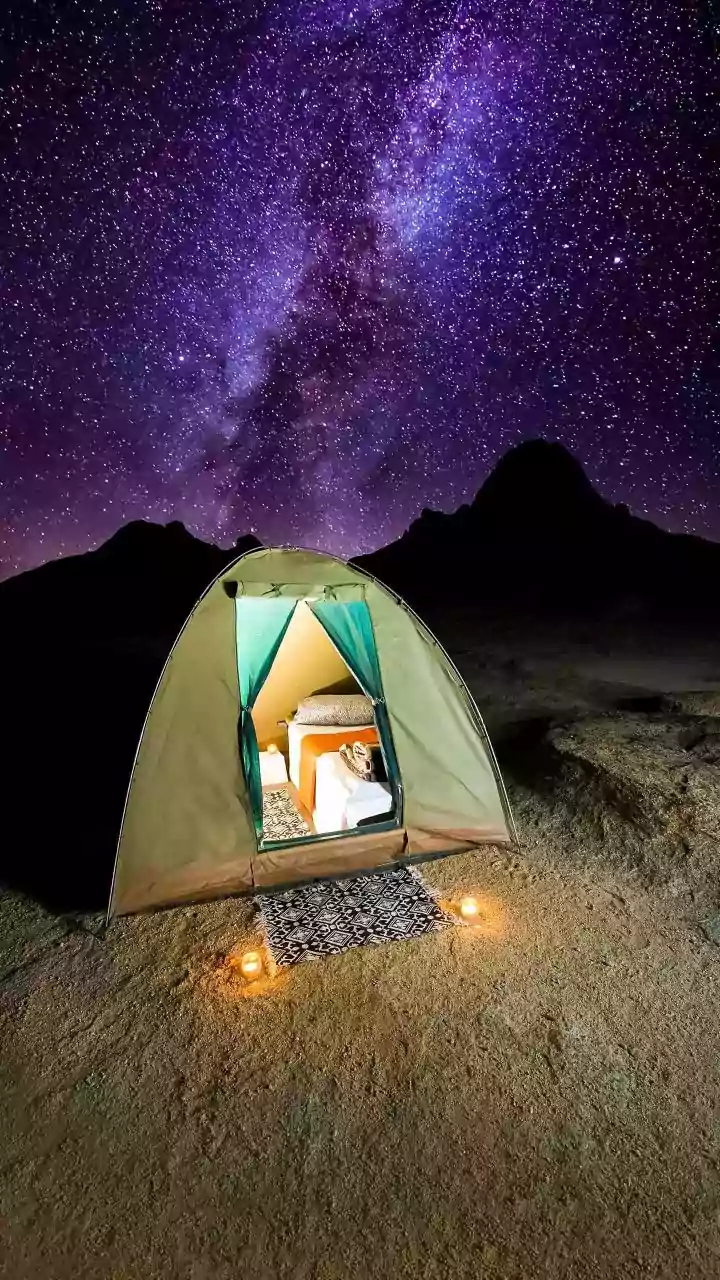
Often called 'Little Tibet', the Spiti Valley is a cold desert mountain region where the sky feels impossibly close. Its remoteness and high altitude make villages like Kaza, Kibber, and Langza some of the best stargazing spots in the country. By day, you explore ancient monasteries and stark, breathtaking landscapes. By night, you witness a celestial performance of staggering beauty. The lack of ambient light means meteors, constellations, and the faint smudge of distant galaxies are visible to the naked eye. Local homestays are the best way to experience Spiti, offering not just a warm bed but also a direct connection to the culture of a region that has lived under these brilliant skies for centuries.
Rann of Kutch, Gujarat: Stars Over Salt
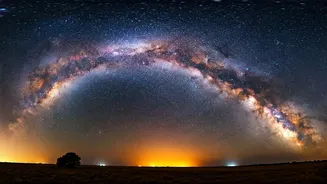
Imagine a vast, flat expanse of white salt stretching to the horizon, reflecting the moonlight and mirroring the cosmos above. This is the magic of stargazing in the Rann of Kutch. While the region is famous for the vibrant Rann Utsav, the real spectacle begins after the crowds have gone to sleep. The sheer flatness of the terrain provides an uninterrupted 360-degree view of the sky, creating an immersive, almost otherworldly experience. The dry air of the winter months, from October to March, offers the best clarity. Lying on the cool salt flats under a canopy of stars, with nothing but silence around you, is an unforgettable encounter with the universe's grandeur.
Coorg, Karnataka: A Southern Starscape
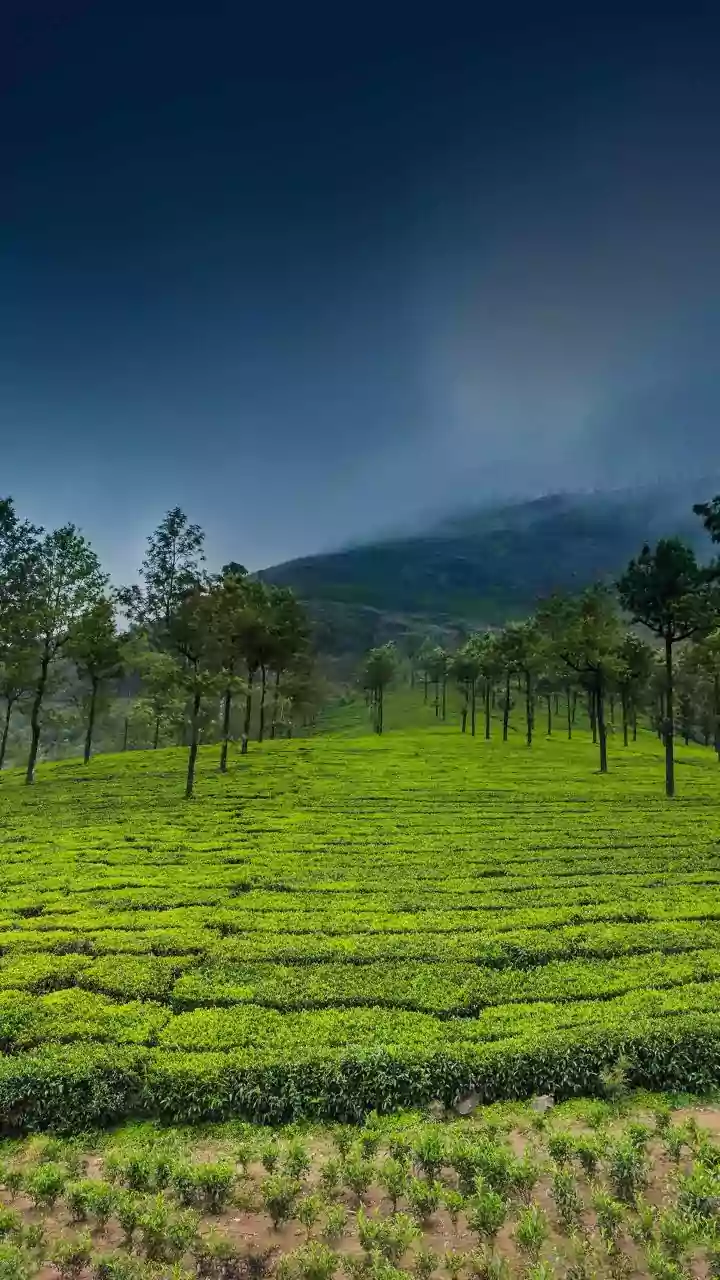
Proving that you don't always have to go to the Himalayas for a great view, Coorg offers a lush, green alternative for southern stargazers. While the hill station itself has some light pollution, the magic lies in its sprawling coffee and spice plantations. Booking a stay at a remote estate or homestay, away from the main towns of Madikeri or Virajpet, can yield surprisingly dark skies. The rolling hills help block out distant city glow, creating pockets of darkness perfect for setting up a telescope or simply lying back on a lawn. The combination of the cool, fragrant air of the plantations and a clear view of constellations like Orion and the Southern Cross makes for a uniquely serene astronomical experience.