


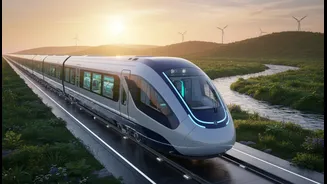


A Landmark Moment for Indian Railways
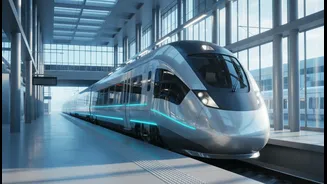
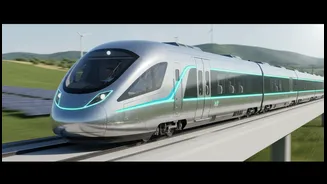
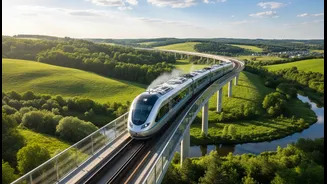
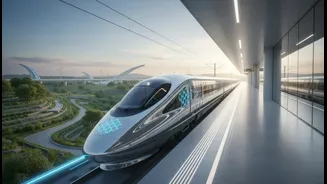
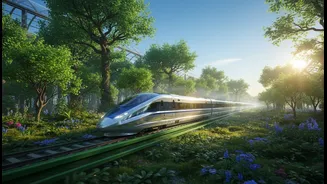
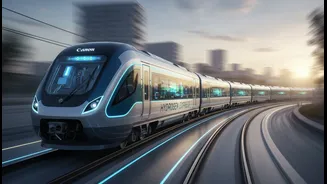
India is on the verge of a significant milestone in green transportation with the anticipated launch of its first hydrogen-powered train. Prime Minister Narendra Modi is expected to flag off the train from Jind in Haryana on July 17, 2026. Following its inauguration,
the train is scheduled to begin commercial operations on the nearly 90-kilometre Jind-Sonipat route, completing two round trips daily. This launch marks the culmination of extensive trials conducted over the past few months, where the train was tested at various speeds to ensure its safety and performance. The introduction of this service positions India among a select group of nations, including Germany and China, that are harnessing hydrogen technology for their railways.
How Does a Hydrogen Train Work?
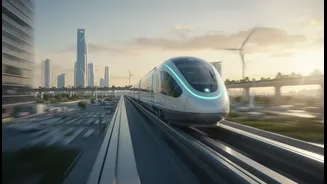
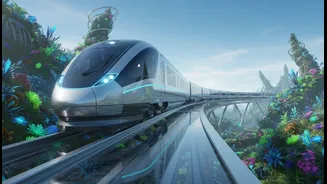
Unlike conventional trains that burn diesel, a hydrogen train is essentially an electric train that produces its own power onboard. The core of the technology is the hydrogen fuel cell. This device facilitates a chemical reaction between hydrogen, stored in high-pressure tanks on the train, and oxygen taken from the air. This reaction generates electricity to power the motors, with the only byproduct being water vapour and heat. This process means the train has zero tailpipe emissions, eliminating the smoke, noise, and pollutants associated with diesel locomotives. The train is a retrofitted Diesel Electric Multiple Unit (DEMU), equipped with a powerful hydrogen fuel cell propulsion system.
An Indigenous Push for Green Tech
This project is a significant achievement for the 'Make in India' and 'Atmanirbhar Bharat' initiatives. The train was designed by the Lucknow-based Research Designs and Standards Organisation (RDSO) and manufactured at the Integral Coach Factory (ICF) in Chennai. While some core components like the fuel cell stacks are sourced internationally, the overall system integration, coach manufacturing, and ground infrastructure development were handled indigenously. An entire ecosystem has been built to support this pilot project, including a dedicated hydrogen production, storage, and refuelling facility at Jind, which has received all necessary safety clearances. This demonstrates a growing domestic capability to handle complex, next-generation transport solutions.
The Benefits for Travellers and the Nation
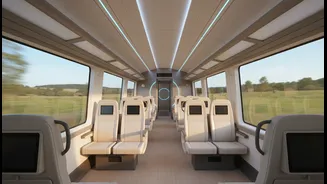
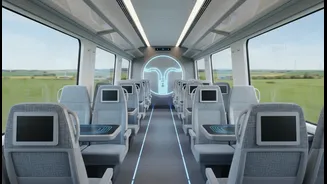
For passengers, the new hydrogen train promises a faster and more comfortable journey. It is expected to cut the travel time between Jind and Sonipat by about half, completing the trip in just one hour compared to the two hours taken by the current diesel service. With highly affordable fares announced, it presents an economical option for the thousands of daily commuters. Beyond the immediate route, the project serves a larger national purpose. It aligns with India's goal to achieve Net-Zero emissions by 2070 by reducing dependence on imported fossil fuels, improving air quality along rail corridors, and curbing the carbon footprint of the world's fourth-largest railway network.
The Road Ahead: Challenges and Future Plans
While the launch is a monumental first step, a nationwide rollout faces challenges. The initial cost of manufacturing hydrogen trains and setting up the required infrastructure is significantly higher than for conventional trains. The cost and source of the hydrogen itself is another factor; ensuring a steady supply of 'green hydrogen'—produced using renewable energy—is crucial for the technology to be truly sustainable. However, Indian Railways is already looking ahead. The success of this pilot on the Jind-Sonipat section could pave the way for introducing similar trains on other routes, particularly on heritage lines under the 'Hydrogen for Heritage' initiative. The long-term vision is that as technology matures and scales, the operational savings from cheaper fuel and lower maintenance will offset the initial investment, making it a viable long-term solution.