








The Return to Natural Movement
You've likely seen them at your local park: dedicated runners, post-workout, pacing slowly across the grass without their expensive running shoes. This practice, often called 'grounding' or 'earthing', is gaining traction as a powerful supplement to high-impact
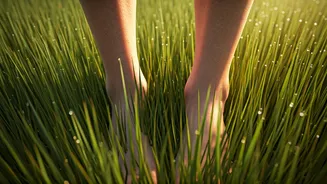
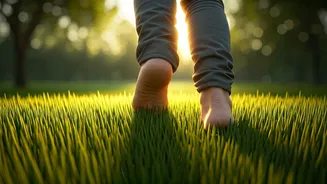
training. It's not about running miles barefoot, which carries significant risks, but rather about the gentle, restorative act of walking on natural surfaces. For runners, whose feet are often confined to rigid, cushioned shoes, this is a way to reconnect with natural movement, improve foot strength, and aid recovery.
The Science of 'Earthing'
The core concept behind grounding is that direct physical contact with the earth's surface can have physiological benefits. Proponents believe the earth carries a natural, negative electric charge. By walking barefoot, our bodies can absorb free electrons that act as antioxidants. [3, 11] These electrons may help neutralise free radicals, which are generated during intense exercise and contribute to inflammation and muscle soreness. [3] Studies and anecdotal evidence from athletes suggest that this practice can reduce inflammation, lessen muscle fatigue, and promote faster recovery, allowing for more consistent training. [4, 9, 11]
Strengthening from the Ground Up
Beyond the electrical benefits, barefoot walking has profound biomechanical advantages for runners. Constantly wearing supportive shoes can cause the smaller, intrinsic muscles in our feet to weaken over time. [12, 16] Walking barefoot on varied surfaces like grass forces these muscles to work, leading to stronger feet. [17, 19] This improved strength can enhance stability, balance, and proprioception—your body's awareness of its position in space. [2, 15] Better proprioception means better running form, as your feet can send clearer signals to your brain about the terrain, allowing for quicker adjustments and potentially reducing the risk of injuries like ankle sprains. [18]
A Mental Reset Button
The benefits aren't purely physical. For many runners, a barefoot walk is a form of active meditation. The sensory experience of feeling the cool grass, soft earth, or textured ground can be incredibly calming and centering. [1] It encourages mindfulness, pulling you away from split times and heart rate data and into the present moment. This connection to nature has been shown to reduce stress and improve mood. [9] After a punishing long run or a high-intensity interval session, a quiet, shoeless stroll can be the perfect mental cooldown, helping to lower stress levels and enhance overall well-being. [4]
The Risks and How to Stay Safe
While the benefits are compelling, walking barefoot outdoors is not without risks. The most obvious dangers are sharp objects like glass, rocks, or splinters hidden in the grass. [1, 5, 13] There's also a risk of exposure to bacteria and fungi that can lead to infections like athlete's foot or plantar warts. [2, 10] Those with diabetes or reduced sensation in their feet should be particularly cautious and consult a doctor before trying it. [1] Walking on hard, unforgiving surfaces like concrete can also strain the plantar fascia, potentially leading to pain. [2, 5]
How to Start Your Barefoot Journey
If you want to try it, the key is to start slowly. Begin with just five to ten minutes on a soft, familiar surface like a well-maintained lawn in a park. [7] Always scan the area for potential hazards first. [12] Pay close attention to how your feet feel; if you experience any sharp pain, stop. Your feet have likely been supported by shoes for years, and the muscles and skin need time to adapt. [12, 16] You can gradually increase the duration of your walks as your feet get stronger. [7] Incorporating foot-strengthening exercises, like towel curls and calf raises, can also help prepare your feet for this new activity. [14]