
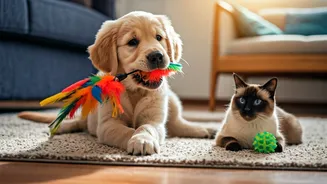


1. Hide and Sniff
A dog’s greatest asset is its nose, and a cat’s curiosity is boundless. Put them to work with a game of ‘Hide and Sniff’. Start easy: have your pet sit and stay in one room while you hide a few of their favourite high-value treats in another. Use simple
hiding spots at first—behind a curtain, under a cushion, or near a table leg. Once they get the hang of it, you can increase the difficulty by hiding treats in different rooms or at varying heights (safely, of course). This game provides incredible mental stimulation, taps into your pet’s natural instincts, and tires them out far more effectively than a short walk. For cats, you can also hide treats inside a scrunched-up piece of paper or a cardboard tube to make the 'hunt' more exciting.
2. The Muffin Tin Puzzle
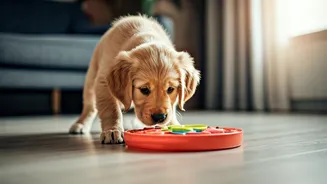
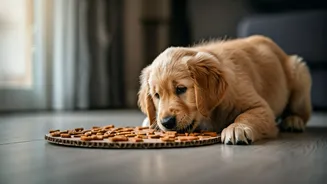
You don’t need expensive puzzle toys to challenge your pet’s brain. A standard muffin tin and some tennis balls (or other pet-safe toys) are all you need. Place a few treats in some of the muffin cups, then cover all the cups with the balls. Your pet will have to sniff out which cups contain the reward and then figure out how to remove the ball to get to it. This simple DIY game encourages problem-solving skills and slows down fast eaters. Always supervise your pet during this activity to ensure they don’t try to chew on the tin or swallow the balls. It's a fantastic way to turn mealtime into a fun, engaging challenge.
3. The Shell Game
This classic street hustle is a brilliant brain game for your pet. All you need are three opaque cups and one smelly treat. Place the treat under one cup, show it to your pet, and then slowly shuffle the cups around. Encourage your pet to indicate which cup hides the treat by pawing or nudging it. When they get it right, reward them with the treat and lots of praise. This game teaches concentration and focus. Start slowly and keep the shuffles simple until your pet understands the objective. It’s a low-energy game that delivers a huge mental workout, perfect for a lazy, rainy afternoon.
4. Indoor Agility Course
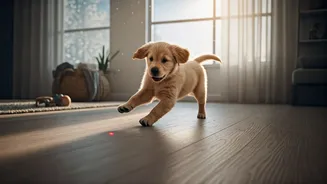
Turn your living room into a mini agility course to burn off some physical energy. You don’t need professional equipment. Use pillows or rolled-up blankets for them to jump over (at a safe height), arrange dining chairs to create a tunnel to crawl through, and use a broomstick propped up on books as a low hurdle. Guide your pet through the course with treats and enthusiastic encouragement. This not only provides physical exercise but also builds their confidence and listening skills. Make sure the floor isn't slippery and that all objects used are stable and safe. Keep sessions short and fun to prevent your pet from getting overwhelmed or overtired.
5. Teach a New Trick
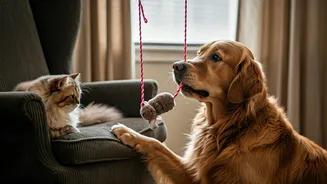
A rainy day is the perfect opportunity for a focused training session. Whether you’re teaching a puppy to ‘shake hands’ or a cat to come when called, short, positive training sessions are mentally taxing and incredibly rewarding for your pet. Break down the trick into small, manageable steps and use positive reinforcement—treats, praise, or a favourite toy—to reward every success. Popular tricks to try include 'roll over,' 'play dead,' or even 'put your toys away' in a basket. Training strengthens communication and deepens the bond you share, making it one of the most productive ways to spend time indoors.