
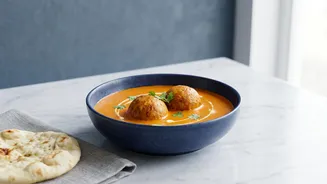
The Anatomy of a Perfect Kofta
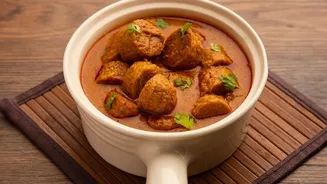
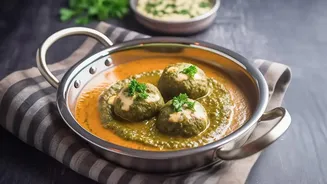
The heart of the dish is the kofta itself, a soft, melt-in-your-mouth dumpling. Traditionally, these are made from a mixture of grated paneer (Indian cottage cheese) and boiled, mashed potatoes. The ratio is key; too much potato can make them dense, while
too much paneer can cause them to break apart while frying. To bind them, a small amount of cornstarch or all-purpose flour is necessary. This helps absorb moisture and ensures the koftas hold their shape. For flavour and texture, finely chopped ginger, green chillies, coriander, and sometimes a few chopped cashews or raisins are mixed into the dough. A pinch of cardamom powder can add a subtle, fragrant lift. The mixture is then formed into smooth, round balls, ready for cooking.
Reimagining the 'Malai' Gravy
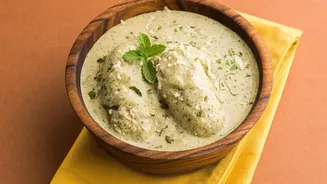
The word 'malai' literally translates to cream, which is why the traditional gravy is famously rich, often made with a lavish amount of heavy cream, butter, and a paste of soaked cashews. To make it lighter, we can make smart substitutions. Instead of a large quantity of cashews, you can use a smaller amount blended with water or even substitute them with walnuts or poppy seeds for creaminess. Another excellent way to reduce richness is by replacing heavy cream with milk or even yogurt. If using yogurt, whisk it well and add it towards the end of the cooking process on low heat to prevent it from splitting. Some recipes also use bottle gourd (lauki) in the onion-tomato base to add body to the gravy without adding fat. These changes create a velvety smooth curry that is flavourful yet not overly heavy.
The Familiar Spice Ensemble
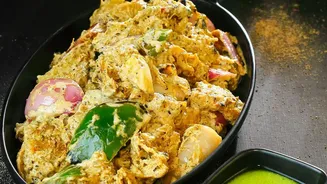
You don't need exotic or hard-to-find spices to create a delicious Malai Kofta. The flavour base comes from a standard North Indian curry palette. The process starts by sautéing whole spices like bay leaf, cloves, and green cardamom in a little oil or ghee. The gravy gets its body from a purée of onions, tomatoes, ginger, and garlic. The powdered spices are all staples in an Indian kitchen: turmeric powder, red chilli powder (Kashmiri for colour, a spicier variety for heat), coriander powder, and garam masala. A final flourish of kasuri methi (dried fenugreek leaves), crushed between your palms and sprinkled over the gravy, adds an irresistible aroma and depth that is signature to many restaurant-style dishes.
Putting It All Together
First, prepare and shape your koftas. While deep-frying is traditional, you can make a healthier version by pan-frying them in an appe (paniyaram) pan or even baking or air-frying them until golden brown. Set the cooked koftas aside. Next, prepare the gravy. Sauté the onions, ginger, and garlic until soft, then add the tomatoes and powdered spices and cook until the oil begins to separate. Let this mixture cool before blending it into a smooth, fine purée. Strain the purée through a sieve for an extra-silky texture. Return the purée to the pan, add your cream substitute (like milk or yogurt paste), and let it simmer gently. A crucial tip: only add the koftas to the gravy just before serving. As the koftas are very soft, letting them sit in the hot gravy for too long can cause them to break apart. Gently place the koftas in the serving dish and pour the hot gravy over them. Garnish with fresh coriander and a light drizzle of milk or cream, and serve immediately with naan or roti.