




In the world of healthy eating, quinoa and lentils are pantry superstars. Both are versatile, affordable, and packed with nutrients. But when you look closer, how do they really stack up, especially on folate and other essential minerals?
The Contenders: A Quick Introduction
First, let's
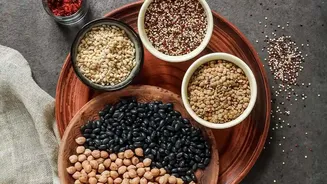
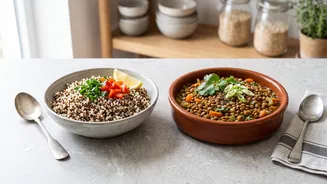
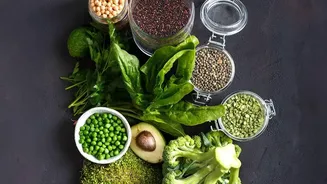
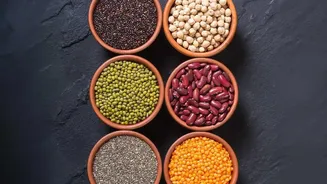
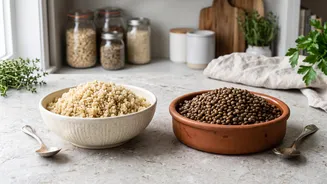
clarify what we're dealing with. Lentils are pulses, part of the legume family alongside beans and chickpeas. They come in various colours—brown, green, red, and black—and are celebrated for their earthy flavour and quick cooking time. Quinoa, on the other hand, is technically a seed, but it's prepared and eaten like a grain, earning it the 'pseudocereal' label. It has a milder, nuttier taste and a slightly fluffier texture when cooked.
Protein and Fibre Breakdown
For those seeking plant-based power, both options deliver, but lentils take a clear lead. A 100-gram serving of cooked lentils provides about 9 grams of protein and an impressive 8 grams of fibre. In contrast, the same amount of cooked quinoa offers around 4.4 grams of protein and just under 3 grams of fibre. However, quinoa has a unique advantage: it's a 'complete protein'. This means it contains all nine essential amino acids our bodies can't make on their own, a rare trait for a plant-based food. Lentils are very high in protein but are slightly low in one amino acid, methionine, so they are best paired with a grain like rice to form a complete protein profile.
Folate Face-Off: The Main Event
Folate, a crucial B-vitamin essential for cell growth and development, is where lentils truly shine. Lentils are one of the best plant-based sources of this nutrient. A 100-gram serving of cooked lentils can provide around 181 micrograms of folate, which is a significant portion of the recommended daily intake. This makes lentils an especially valuable food for pregnant women or anyone looking to boost their B-vitamin levels. While quinoa also contains folate, its content is considerably lower than that of lentils.
A Trove of Other Minerals
Beyond folate, the mineral comparison reveals a split decision. Lentils are the clear winner for iron and potassium, containing more than double the amount of iron compared to quinoa per serving. This makes them a fantastic choice for preventing iron-deficiency anaemia, particularly on vegetarian or vegan diets. Conversely, quinoa is superior in magnesium and manganese. A serving of quinoa provides significantly more magnesium than lentils, a mineral vital for over 300 enzymatic reactions in the body, including muscle function and bone health.
Glycemic Index and Blood Sugar
How a food affects your blood sugar is an important health consideration. Here, lentils have a slight edge. Both foods are considered low on the glycemic index (GI), meaning they don't cause sharp spikes in blood sugar. However, lentils generally have a lower GI score than quinoa. The high fibre content in lentils slows down digestion and the absorption of sugars, promoting a feeling of fullness and providing sustained energy.
The Verdict: Which Should You Choose?
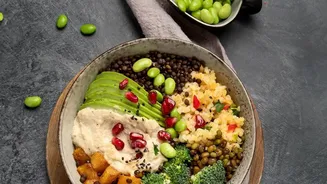
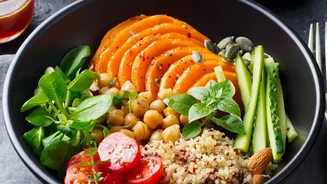
So, is there a clear winner? It depends entirely on your nutritional goals. If you're focused on maximizing your intake of protein, fibre, folate, and iron, lentils are the undisputed champion. They are a cost-effective, nutrient-dense powerhouse. If your priority is getting a complete protein source in a single food, or if you need to boost your magnesium intake, quinoa is an excellent choice. It’s also naturally gluten-free and has a wonderfully light texture that works well in salads and as a rice substitute.