

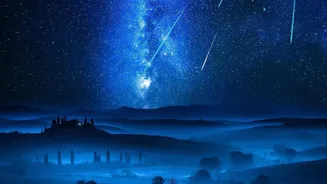

Cosmic Dust from a Legendary Comet
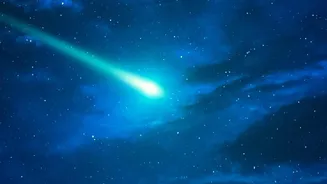
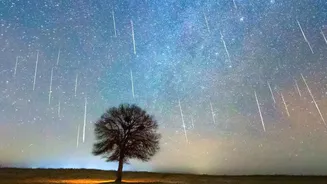
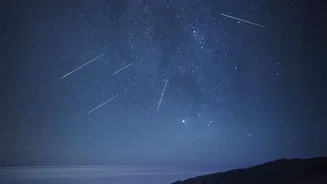
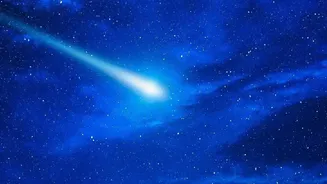
The Orionid meteor shower is an annual celestial event, but its origins are truly special. The shooting stars you see are actually tiny fragments breaking off from 1P/Halley, better known as Halley's Comet. Each October, Earth’s orbit passes through this
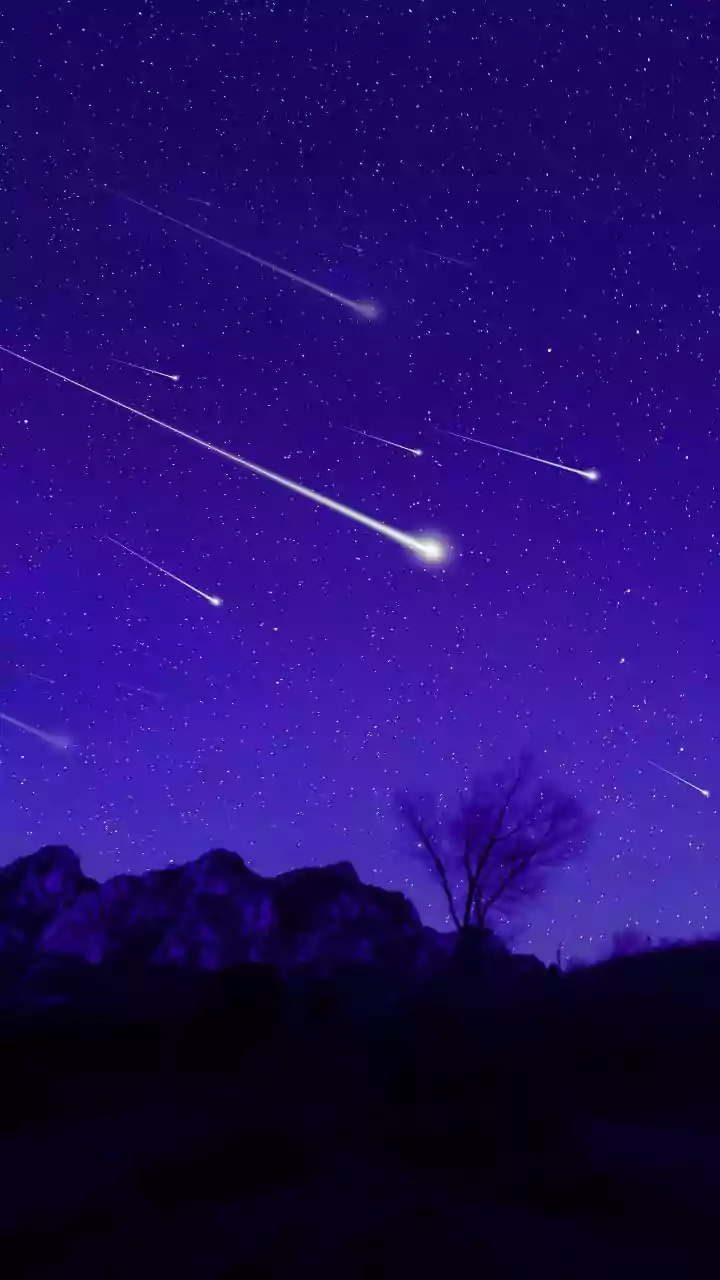
stream of dust and ice. As these particles, some no bigger than a grain of sand, hit our atmosphere at incredible speeds—about 66 kilometres per second—they burn up, creating the brilliant streaks of light we call meteors. They are named the Orionids because their radiant, or the point from which they appear to originate, is near the famous constellation of Orion the Hunter. This makes them not just beautiful, but a direct connection to a comet that has been observed for millennia and will not return to our skies until 2061.
Peak Dates and Best Times to Watch
Mark your calendars for the night of October 21-22, 2026, as this is when the Orionid shower is predicted to reach its peak. While the shower is active from early October to early November, your best chance of seeing the most meteors is during this peak window. However, there is a catch for 2026: a bright waxing gibbous Moon will be in the sky for much of the night, potentially washing out the fainter meteors. But don't lose hope. The key is to time your viewing for the pre-dawn hours of October 22. The Moon will set in the early morning, creating a dark window of opportunity between roughly 3:30 AM and 5:15 AM IST, before twilight begins. This is when the sky will be at its darkest and the radiant point will be high, offering the best chance to spot the shower's famously fast and bright meteors.
Finding the Perfect Viewing Spot
The single most important factor for a successful meteor shower viewing is a dark sky. The bright lights of our cities and towns create significant light pollution that can obscure all but the brightest meteors. To maximize your chances, plan to travel as far away from urban centres as you can. Look for rural areas, open fields, hills, or designated dark-sky locations. In India, places like Hanle in Ladakh (the country's first Dark Sky Reserve), Spiti Valley, and the Rann of Kutch are legendary for their pristine skies. However, you don't need to travel to the Himalayas. Even a local spot with an unobstructed view of the horizon, far from streetlights and buildings, can make a huge difference. Check a light pollution map online to find a suitable dark site near you.
A Simple Guide to Stargazing
The best part about watching a meteor shower is that you don't need any special equipment. In fact, telescopes and binoculars are not recommended as they limit your field of view. Your naked eyes are your best tools. Once you've found your dark spot, give your eyes at least 20-30 minutes to fully adapt to the darkness; this will allow you to see much fainter meteors. Avoid looking at your phone screen, as the bright light will ruin your night vision. Get comfortable. Bring a blanket, a reclining chair, or simply lie on the ground and look up. While the meteors radiate from Orion, they can appear anywhere in the sky, so just relax and take in as wide a view as possible. Remember to be patient—meteor showers often come in spurts.
Tips for Capturing the Moment
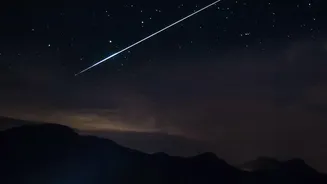
For those interested in photographing the celestial display, a little preparation goes a long way. You will need a DSLR or mirrorless camera that allows for manual controls, a sturdy tripod, and a wide-angle lens. To capture the faint streaks of light, you'll need to use a long exposure. Start with settings like a 20-second shutter speed, a wide aperture (like f/2.8), and a high ISO (around 1600-4000). Manually focus your lens on a bright star to ensure everything is sharp. It can also be helpful to use a shutter release cable or the camera's built-in timer to avoid camera shake when you take a picture. Meteor photography is a game of patience and luck, so take many shots. You might just capture a stunning fireball or a meteor with a glowing, persistent train.