





The Anatomy of a Screen Headache
In our digitally driven world, spending over eight hours a day in front of a screen has become the norm for many professionals. This prolonged exposure often leads to a condition known as Computer Vision Syndrome (CVS), or digital eye strain. The symptoms
are varied but frequently include eye fatigue, blurred vision, neck stiffness, and, most commonly, tension headaches. This type of headache often feels like a constant, dull ache on both sides of the head, sometimes starting at the temples or the back of the neck. It happens because our eyes have to work much harder to focus on digital text, which has lower contrast than printed words, and they must constantly adjust to glare and flickering light. This sustained effort fatigues the small muscles in and around the eyes, and that strain can radiate to the temples and forehead, triggering a headache.
More Than Just Tired Eyes
The problem isn’t confined to your eyes. When we stare at screens, we often adopt poor posture, leaning forward or craning our necks in a position commonly called 'tech neck'. This unnatural posture puts significant strain on the muscles in our neck and upper back, like the trapezius muscle, which is directly linked to tension headaches. Furthermore, we tend to blink significantly less when focused on a screen, which leads to dry, irritated eyes. This discomfort sends stress signals to the brain, further contributing to the cycle of tension and pain. Even the blue light emitted by our devices, while not a direct cause, can increase visual discomfort and disrupt sleep patterns, which indirectly makes us more susceptible to headaches.
The Power of a Purposeful Pause
The most effective antidote to this modern malady is surprisingly simple: taking regular, intentional breaks. A pause does more than just rest your eyes; it interrupts the entire chain reaction of strain. The most widely recommended method is the 20-20-20 rule. Every 20 minutes, take a 20-second break to look at something at least 20 feet away. This simple action allows the focusing muscles inside your eyes to relax. While 20 seconds may not seem like much, it’s the minimum time needed for your eyes to shift into a more rested state, reducing muscle fatigue. Taking these micro-breaks also encourages you to blink, rehydrating your eyes, and provides a moment to reset your posture.
Making Your Breaks More Effective
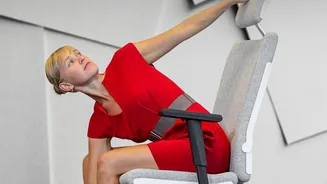
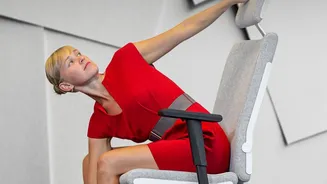
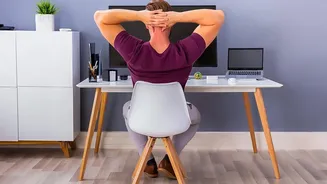
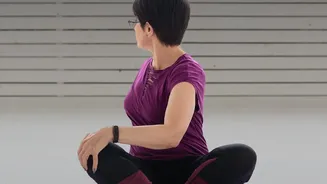
While the 20-20-20 rule is an excellent foundation, you can enhance its benefits. During your 20-second pause, don’t just stare blankly. Look out a window or across the room. Use the opportunity to stand up, do a gentle neck stretch, or roll your shoulders back. For longer breaks, which experts recommend taking every hour or two, step away from your desk completely. Walk around, get a glass of water to stay hydrated, and give your mind a chance to mentally refocus away from the screen. Studies have shown that people who regularly take breaks from their screens report a lower frequency and severity of headaches. Setting a timer or using a simple app can help turn this practice into an automatic habit.
Optimise Your Workspace for Comfort
Breaks are crucial, but an ergonomic workspace can prevent much of the strain from building up in the first place. Position your monitor so the top of the screen is at or just below eye level, and about an arm’s length away (20-25 inches). This encourages better posture and reduces neck strain. Adjust your screen's brightness to match the ambient lighting in your room and consider using an anti-glare screen filter to minimize reflections. Increasing the font size on your screen can also make a significant difference, preventing you from squinting or leaning forward to read. These small adjustments work together with regular pauses to create a much healthier and more comfortable work environment.