







The Current State of Play: Mid-2026
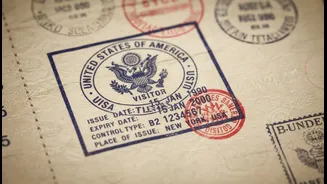
As of July 2026, the landscape for U.S. visa appointments in India shows both significant improvement from the peak backlogs of 2022-2023 and persistent, frustrating inconsistencies between consular posts. While the days of 800-day waits for a visitor
visa are gone, applicants still face a lottery based on their location. The U.S. Mission to India has ramped up processing, issuing a record number of visas in recent years, but high demand continues to strain the system. The result is a complex environment where one applicant in Kolkata might secure an interview in four months, while another in Mumbai faces a wait of over nine months for the exact same visa category. This variability affects all non-immigrant visas, but is most pronounced for first-time B1/B2 tourist and business visa applicants.
A Tale of Five Cities: Wait Time Snapshot
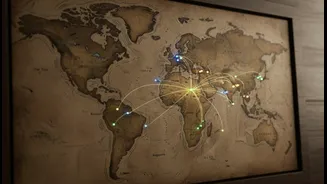
The core of the issue lies in the different processing capacities and demand pressures at each of the five U.S. consular posts in India. Here is an approximate breakdown of wait times for first-time B1/B2 visitor visas as of mid-2026: Mumbai and Hyderabad: These cities frequently report the longest queues, with applicants facing waits of around 7 to 9.5 months. These posts handle immense volume, contributing to the longer timelines. New Delhi: The embassy in the capital typically sees wait times in the middle of the pack, often ranging from 5 to 7.5 months. Kolkata: Often the fastest option among major metros, Kolkata has recently reported wait times of around 4 months for visitor visas, significantly lower than Mumbai or Delhi due to lower applicant volume. Chennai: This post has also emerged as one of the quicker locations, with wait times for visitor visas hovering around 4 to 5.5 months. It is also a major hub for processing H-1B and L work visas. It is crucial to remember that these are estimates; the U.S. State Department updates these figures regularly, and they can change from week to week. Student (F-1) and work visa (H, L) appointments generally have much shorter wait times, often between one to three months.
Why the Long and Winding Queue?
Several factors contribute to the wildly different wait times across India. The primary reason is the mismatch between the sheer volume of applications and the limited processing capacity at each consulate. Posts in Mumbai and Delhi serve massive populations with high demand for U.S. travel, leading to longer queues. Staffing levels, which the U.S. Mission has been working to increase, are another critical element. Furthermore, consulates often prioritize certain visa categories. For example, student visas are expedited during peak admission seasons, and work visas for specialized employees also tend to move faster. This prioritization, while necessary, can push appointments for visitor visas further down the line. Finally, lingering backlogs from previous years and the implementation of stricter screening processes also contribute to the overall processing time.
Strategies for Applicants
Navigating this system requires strategy and patience. The most effective tool for an applicant is persistence. The official visa scheduling portal is dynamic, with new slots opening up due to cancellations or the addition of new appointments. Checking the portal frequently, even multiple times a day, can reveal earlier appointment dates. Indian applicants are generally permitted to schedule their interview at any of the five consular posts, regardless of their place of residence. For those with flexibility, booking an appointment in a city with a shorter wait time, like Kolkata or Chennai, can be a viable strategy. Applicants eligible for an interview waiver, or the “dropbox” process, face a much shorter wait, typically between two to six weeks for their visa to be processed. Lastly, it is vital to rely only on official sources for information and avoid third-party agents promising expedited appointments for a fee, as these are often fraudulent.