




What’s Changing on the Menu?
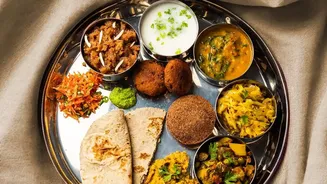
The core of PM POSHAN (Pradhan Mantri Poshan Shakti Nirman), formerly the Mid-Day Meal Scheme, has always been to provide a hot, cooked meal to boost school attendance and combat hunger. The prescribed norms ensure children in primary classes receive
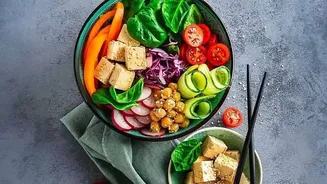
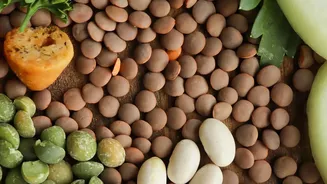
about 450 calories and 12 grams of protein, while upper primary students get 700 calories and 20 grams of protein. Recent updates, however, are refining the quality and micronutrient content of these meals. A key change has been the nationwide rollout of fortified rice in all government food schemes, including PM POSHAN. This initiative, completed in March 2024, mandates the use of rice enriched with iron, folic acid, and Vitamin B12 to directly tackle widespread anaemia. Alongside this, there is a strong encouragement for states to incorporate locally sourced foods, particularly millets and seasonal vegetables, to enhance dietary diversity.
The Science of Smarter Ingredients
These changes are rooted in nutritional science. Fortification is a proven public health strategy to address micronutrient deficiencies that are prevalent across India. According to the National Family Health Survey (NFHS-5), anaemia remains a significant concern, and fortifying a staple food like rice—consumed by 65% of the population—is an effective way to deliver essential nutrients without altering dietary habits. The added iron, folic acid, and Vitamin B12 are critical for cognitive development and preventing anaemia. Similarly, the push for millets is a nod to their superior nutritional profile, being rich in protein, fibre, and minerals. Encouraging states to use locally available vegetables not only supports regional agriculture but also ensures a wider variety of vitamins and minerals in a child's diet. The scheme also provides a flexi-fund for states to establish School Nutrition Gardens, further promoting fresh and nutrient-rich produce.
Beyond Ingredients: Preserving a Meal’s Value
The headline's "practical case" points to a crucial, often overlooked aspect: nutrition is not just about raw ingredients, but also about how they are stored, cooked, and served. The guidelines acknowledge that significant nutrient loss can occur during preparation. To counter this, the focus extends to the entire process. This includes using proper cooking methods, ensuring utensils and kitchen-cum-stores are adequate, and maintaining hygiene to prevent contamination. The scheme provides for kitchen devices and their replacement to ensure food can be prepared safely and efficiently. States are also guided to use double fortified salt (with iron and iodine) and fortified edible oils (with Vitamins A & D) to further plug nutritional gaps. The meal being a hot cooked one is itself a food safety standard, as it helps eliminate pathogens. It's a holistic approach that ensures the nutritional benefits intended on paper actually reach the child.
Challenges in Implementation
Making these updates universal across a country as vast as India is a monumental task. While the Centre provides the framework and bears the cost of foodgrains and fortification, the on-ground implementation rests with the states. This leads to variations. Challenges include ensuring a consistent and unbroken supply chain for fortified rice, especially to remote areas, and training cooks on new preparation methods that preserve nutrients. Maintaining dietary diversity can also be difficult, with some studies pointing out that meals can become staple-heavy, lacking sufficient vegetables. Moreover, the operational success depends on diligent monitoring, adequate infrastructure in schools, and timely fund disbursal to cover cooking costs, which include pulses, vegetables, oil, and fuel. Overcoming these logistical hurdles is the final, critical step in translating policy into better-nourished children.