

Why Your Knife Work Matters
Have you ever made a stew where some carrots are mushy while others are still hard? The culprit is almost always inconsistent knife work. The size and shape of your vegetable cuts directly impact how they cook. Uniform pieces ensure everything cooks evenly,
at the same rate. More than that, the cut affects the final dish's texture and flavour. Smaller pieces have more surface area, which means they cook faster and release more flavour into the dish, making them perfect for quick sautés or flavourful sauces. Larger, chunkier cuts hold their shape and moisture better during longer cooking times, ideal for hearty roasts and stews. By understanding this, you can move from simply following a recipe to intentionally building flavour and texture from the very first cut.
The Essential Cuts for Home Cooks
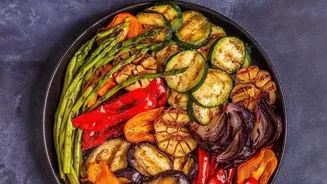
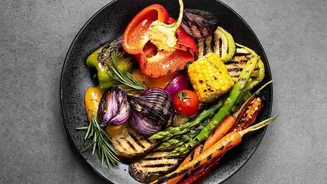
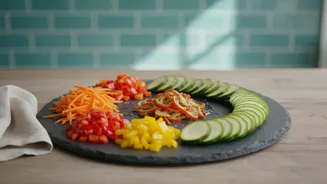
You don't need to master every French culinary term to improve your cooking. Focusing on a few key cuts will cover most of your meal-planning needs. A large, rough chop is great for rustic soups or stocks where the vegetables will be puréed later. Dicing, or cutting into small cubes, is for when you want ingredients to mix evenly, like in a soffritto or a hash. The julienne, or matchstick cut, is perfect for salads and stir-fries, where you want vegetables to cook quickly but retain a bit of crunch. Finally, slicing—creating thin, flat pieces—is ideal for dishes where you want lots of surface area for caramelization, like grilled zucchini or onions for a burger.
Rule 1: Cut for Quick Cooking
When a quick weeknight dinner is the goal, small is your best friend. For dishes like stir-fries, fajitas, and quick sautés, you want your vegetables cut into smaller, thinner pieces. Think julienned bell peppers and carrots, or thinly sliced onions. These smaller cuts cook in a fraction of the time that larger chunks would. A small dice on a carrot will allow it to become tender in a soup in just a few minutes, rather than twenty. This rule is all about maximizing surface area to allow heat to penetrate quickly and evenly, getting dinner on the table faster without sacrificing texture.
Rule 2: Go Big for Slow Cooking
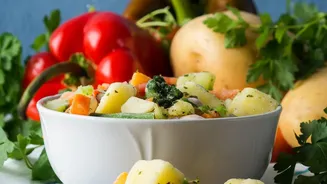
For dishes that simmer away on the stove or spend a long time in the oven, larger cuts are essential. Think of a beef stew or a Sunday pot roast. If you were to use finely diced vegetables, they would disintegrate into the sauce, leaving you with flavour but no texture. By cutting your carrots, potatoes, and onions into large, one-to-two-inch chunks, you ensure they can withstand the long cooking time. They will become tender and absorb the surrounding flavours without turning to mush, providing the satisfying, chunky texture that makes these comfort food classics so beloved.
Rule 3: Cut to Release Flavour
The way you cut an aromatic vegetable like an onion or garlic dramatically changes its flavour contribution. When you cut into an onion or garlic, you rupture its cell walls, releasing enzymes that create their characteristic pungent flavour. The more finely you mince or dice them, the more of these compounds are released, and the stronger the flavour will be throughout the dish. This is why recipes for sauces or marinades often call for minced garlic. Conversely, if you want a milder, sweeter onion flavour, cutting it into larger slices or wedges will result in less enzymatic reaction and a more mellow taste after cooking.
A Seasonal Meal Plan Example
Let's put this into practice. Imagine it’s autumn and you’ve bought butternut squash, onions, and kale. For a quick weeknight meal, you could dice the squash into small half-inch cubes to roast quickly for a salad. The onions could be thinly sliced to caramelize for a topping. The kale can be thinly sliced into ribbons, a cut known as chiffonade, so it wilts quickly when sautéed. For a weekend project, you could cut that same squash into large two-inch chunks for a slow-simmering stew, alongside roughly chopped onions that will melt into the broth. The kale could be roughly chopped and added at the end. One set of seasonal vegetables, two completely different meals, all thanks to intentional cutting.