


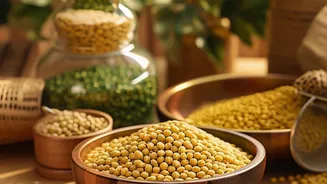


The Science Behind Soaking
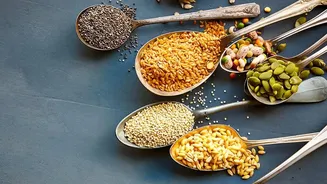
Soaking is more than just an old habit passed down through generations; it's a simple food science hack. Pulses contain compounds like phytic acid and oligosaccharides. Phytic acid can bind to minerals like iron, zinc, and calcium, making them harder
for your body to absorb. Oligosaccharides are complex sugars that our bodies can't easily break down, which can lead to bloating and gas. When you soak pulses, these compounds begin to break down and leach into the water. This process not only makes the pulses easier to digest but also unlocks more of their nutritional value. Soaking also hydrates the dried seeds, softening their tough outer skins and significantly reducing cooking time, which saves fuel and results in a creamier texture.
The Heavyweights: Pulses That Always Need Soaking
Think of the largest and densest pulses in your pantry. Rajma (kidney beans), Chole (chickpeas), and whole black gram (sabut urad) fall into this category. These pulses are tough, with thick skins that require a long soak—typically 8 to 12 hours or overnight—to soften. Skipping this step means they will take a very long time to cook and may remain unpleasantly hard in the center. More importantly, for kidney beans in particular, soaking is a crucial safety step. Raw or undercooked rajma contains high levels of a compound called phytohemagglutinin, a type of lectin that can be harmful. Soaking and then boiling them properly neutralises these compounds, making them safe to eat and easier on your digestive system.
The Quick-Cooks: When Soaking Is Optional
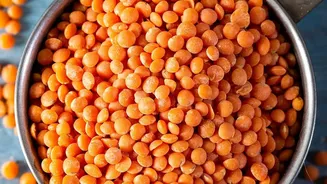
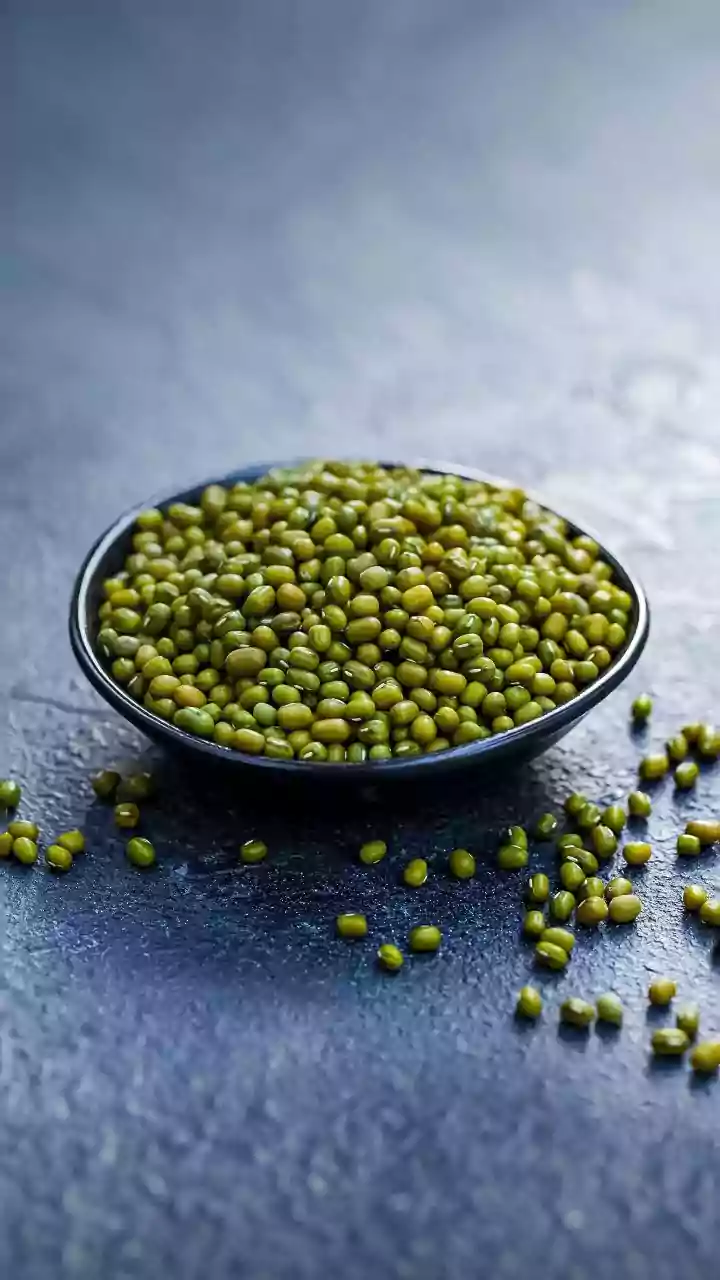
On the other end of the spectrum are the small, split pulses, or dals. Moong dal (split yellow mung beans) and Masoor dal (red lentils) are the prime examples. Because they are split and have had their skins removed, they are incredibly quick to cook, often in just 15 to 20 minutes. For these dals, soaking is largely optional. A quick rinse to remove any dust or excess starch is usually sufficient. While a brief 15-30 minute soak can make them even easier to digest, you can absolutely cook them straight away if you're short on time without a major impact on texture or cooking duration. Moong dal, in particular, is known for being very light on the stomach, which is why it's often used in dishes like khichdi for those who are unwell.
The In-Betweeners: Dals That Benefit From a Quick Soak
Some dals sit comfortably in the middle. Toor Dal (arhar or split pigeon peas) and Chana Dal (split chickpeas) are denser than moong or masoor dal but not as tough as whole beans. They don't strictly require an overnight soak, but they definitely benefit from some time in water. A short soak of 30 minutes to an hour for Toor Dal can result in a creamier final dish and reduce cooking time. Chana dal is harder and benefits more from a longer soak of about 4 to 6 hours to ensure it cooks evenly and digests smoothly. If you forget, you can use a hot soak method: cover the dal with boiling water and let it sit for an hour. This will give you a head start and improve the final texture significantly.