

A Sweet Shift in the Modern Indian Kitchen
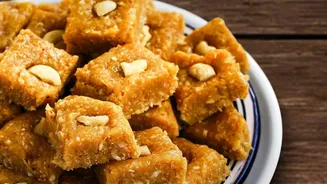
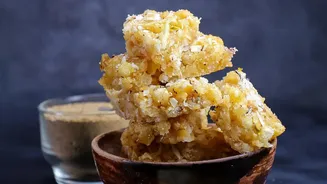
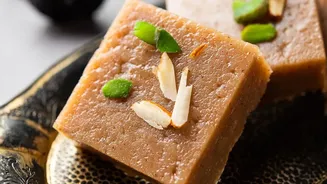
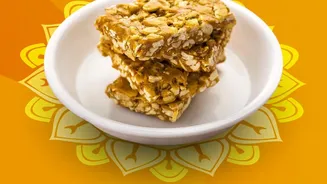
A growing wave of home bakers, driven by a desire for healthier ingredients and authentic flavours, are consciously trading refined white sugar for traditional sweeteners like jaggery, or 'gur'. This isn't about recreating traditional mithai; instead,
they are adapting Western-style baked goods like chocolate chip cookies, banana bread, and tea cakes to incorporate this unrefined sweetener. Sparked by the rise of health consciousness and amplified by social media, this trend sees bakers reimagining their favourite treats, moving away from processed ingredients and embracing a more wholesome approach to indulgence. The result is a delicious fusion: the comforting structure of a classic cake infused with the complex, molasses-rich notes of a beloved Indian staple.
What Exactly Is Jaggery?
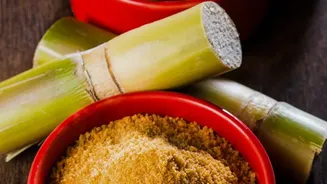
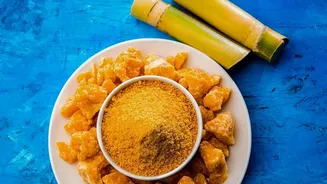
For the uninitiated, jaggery is an unrefined natural sweetener made from the concentrated juice of sugarcane or, in some regions, palm sap. Unlike refined white sugar, which is processed to isolate pure sucrose, jaggery production is minimal. The juice is boiled in large pans until it thickens and solidifies, which means it retains many of the natural components of the sugarcane plant. This process gives jaggery its characteristic golden-brown to dark-brown colour and its complex flavour profile, which carries notes of caramel and toffee. Traditionally a cornerstone of Indian cuisine for thousands of years, particularly in rural households and Ayurvedic practices, it's now finding a new identity in the modern baker's pantry.
The Health Halo: Is Jaggery Truly Better?
The primary driver of this trend is health. Jaggery is often touted as a healthier alternative to white sugar, and there is some truth to this. Because it is unrefined, jaggery retains small amounts of minerals like iron, potassium, magnesium, and calcium, whereas white sugar provides what many call 'empty calories' with no nutritional benefits. Ayurvedic tradition has long used jaggery as a digestive aid and a cleansing agent. However, it is crucial to maintain perspective. Jaggery and white sugar have nearly identical calorie counts. Nutritionists advise that while jaggery is marginally more nutritious, it is still a form of sugar and should be consumed in moderation. Replacing sugar with jaggery doesn't make a dessert a health food, but it does make it a more wholesome choice with slightly more nutritional value.
The Baker's Challenge: Adapting to a New Sweetener
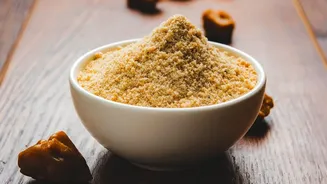
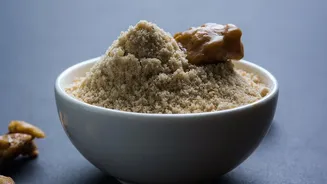
Swapping sugar for jaggery isn't always a simple one-to-one substitution. Jaggery's unique properties present both opportunities and challenges for bakers. Its high molasses content makes it hygroscopic, meaning it attracts and holds moisture. This can result in wonderfully moist and chewy cakes and cookies that stay fresh for longer. Author and blogger Hetal Vasavada notes that jaggery imparts a distinctive chew and a "molasses-y and earthy saltiness" to baked goods. However, its flavour is much stronger than that of neutral white sugar, which can alter the taste profile of delicate bakes. Bakers often use jaggery powder or melt solid blocks to ensure even distribution. The learning curve involves understanding how its earthy sweetness pairs with other ingredients, like spices (cardamom, ginger), chocolate, and fruits.
More Than a Trend: A Return to Roots
Ultimately, the baked jaggery sweets trend is more than just a passing health fad. It represents a deeper cultural shift—a reconnecting with traditional Indian ingredients in a contemporary context. For generations, jaggery was the primary sweetener in Indian households before refined sugar became ubiquitous. By incorporating it into modern baking formats, home bakers are not only making a health-conscious choice but also bridging a gap between the past and the present. They are crafting foods that feel both innovative and deeply familiar, offering a taste of tradition that resonates with the modern Indian palate. This movement is about finding a mindful balance, proving that indulgence doesn't have to mean a complete departure from wholesome, time-honoured ingredients.