






The Role of Travel Insurance
First, let’s acknowledge the foundation. A good travel insurance policy is non-negotiable. During the monsoon, risks like flash floods, landslides, and cyclones can lead to sudden trip cancellations or interruptions. A comprehensive plan should cover
non-refundable expenses for flights and hotels in such events. Furthermore, with the increased risk of accidents on slippery roads or health issues from waterborne diseases, coverage for emergency medical expenses and evacuation is crucial. Think of insurance as your financial safety net, but remember that it's a reactive measure. Proactive planning is what keeps you from needing it in the first place.
Prioritise Health and Hygiene
The monsoon season is a peak time for waterborne and mosquito-borne diseases like dengue, malaria, and typhoid. Your health kit should be your top priority. Pack basic medications for fever, colds, and stomach upsets, along with antiseptic wipes and a good insect repellent. Be extremely cautious about what you eat and drink. Avoid street food, especially items that have been sitting out, and stick to freshly cooked meals. Always drink bottled or purified water, and ensure the seal is intact. Simple habits, like frequent hand washing and avoiding walking through stagnant water, can significantly reduce your risk of falling ill.
Pack Smart, Not Heavy
Monsoon packing is a science. The goal is to stay dry and comfortable without being weighed down. Leave the heavy cotton and denim at home; they absorb water and take ages to dry. Instead, opt for lightweight, synthetic fabrics like polyester or nylon that dry quickly. A reliable, lightweight raincoat or poncho and a sturdy umbrella are essential. For footwear, choose rubber sandals, floaters, or waterproof shoes with a good grip. Leather and canvas shoes are a poor choice as they get ruined in the wet. Finally, protect your valuables. Use waterproof bags or zip-lock pouches for your phone, wallet, passport, and other electronics to shield them from moisture.
Rethink Your Itinerary and Transport
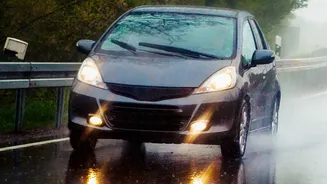
Flexibility is the key to successful monsoon travel. While some regions become breathtakingly beautiful, others become inaccessible or dangerous due to heavy rains and landslides. Research your destination thoroughly and check weather forecasts not just before you leave but daily during your trip. It is wise to build buffer days into your schedule. Flights, trains, and buses can be delayed or cancelled with little warning. Road travel requires extra caution due to slippery conditions and potholes. If possible, avoid driving at night during heavy downpours. Having a flexible plan with indoor alternatives like museums or cafes can turn a rainy-day delay into a pleasant detour rather than a frustrating halt.
Digital and Power Readiness
In a season known for disruptions, being digitally prepared is a modern necessity. Power cuts can be common, so a fully charged power bank is a must-have item to keep your devices running. Before you leave, download offline maps of the areas you plan to visit, as mobile network connectivity can be unreliable in remote or storm-affected locations. It’s also a good practice to have digital copies of all your important documents—ID, tickets, hotel bookings, and insurance papers—stored on your phone and backed up to the cloud. This ensures you have access to them even if the physical copies are lost or damaged.