


Why Fast Is the New Normal
The modern Indian household is busier than ever. With demanding careers, long commutes, and the endless pull of digital life, the hours once available for slow, deliberate cooking have evaporated. This 'time poverty' has fuelled a demand for efficiency
in every corner of life, especially the kitchen. The result isn't a total surrender to takeaways, but a smarter approach to cooking. The 30-minute meal has emerged as a hero for the weeknight warrior, promising a satisfying dinner without the two-hour commitment. It reflects a major shift: practicality is now just as important as flavour. This trend recognises that for most people, the choice isn't between a complex gourmet meal and a quick one, but between a quick home-cooked meal and no home-cooked meal at all.
The Social Media Effect
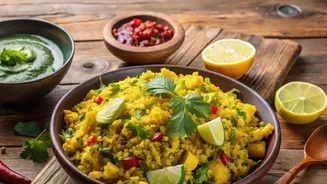
Scroll through Instagram or TikTok, and you'll see this trend in action. Food influencers have transformed cooking from a chore into a visually appealing and highly shareable activity. Short-form videos demonstrating a delicious paneer curry or a one-pan pasta dish made in minutes have demystified cooking for millions. Viral recipes, like the famed baked feta pasta, prove that simplicity and accessible ingredients can create a global sensation overnight. These platforms provide endless inspiration, showing that quick meals don't have to be boring. For many in India, this has opened up a world of culinary experimentation, from 30-minute dal makhani to quick-style biryanis, making home cooking feel more like a creative pursuit than a daily burden.
Can a 30-Minute Meal Be Healthy?
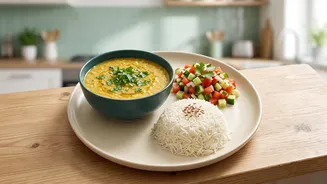
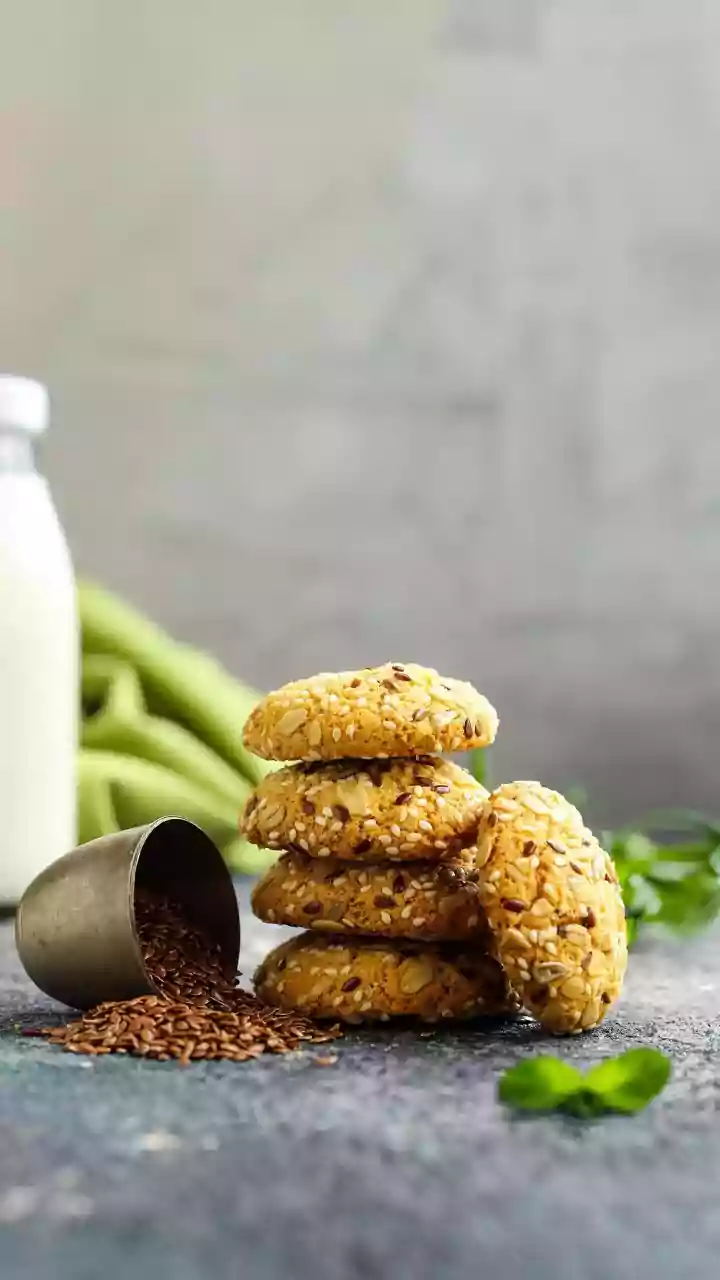
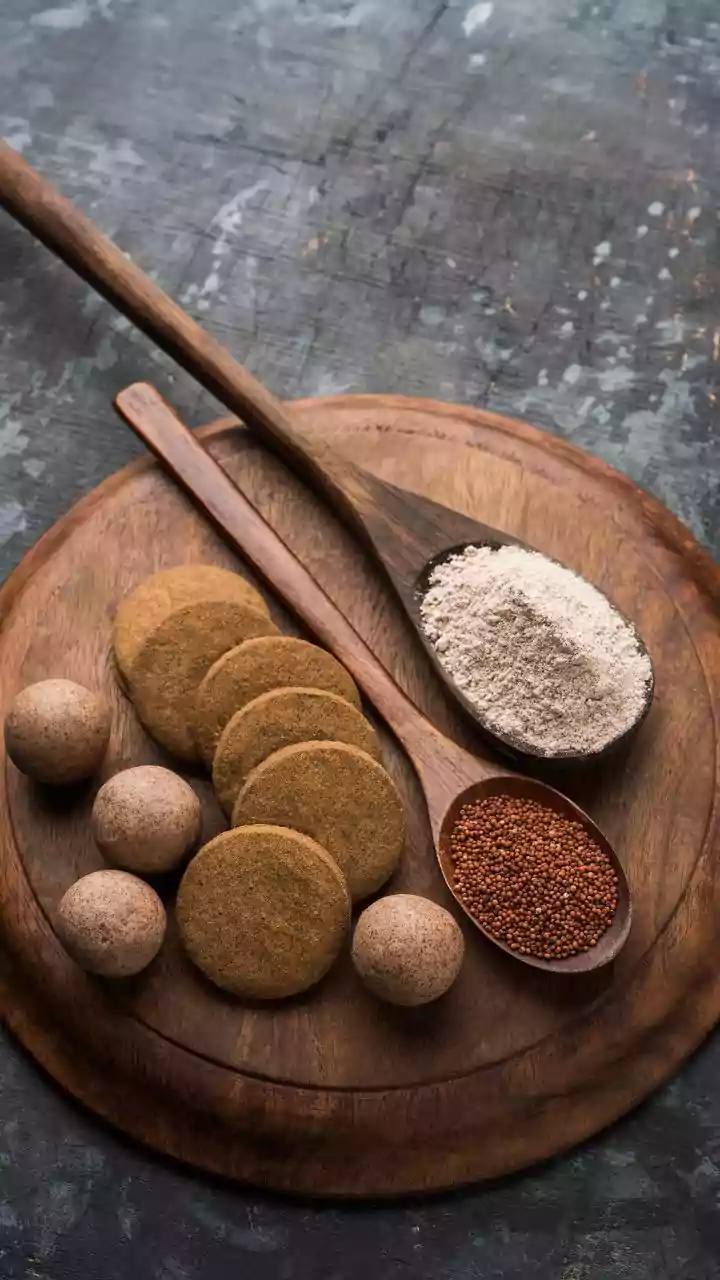
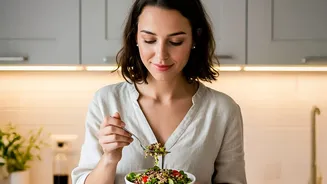
A common concern is whether speed compromises nutritional value. According to nutrition experts, the answer is a resounding no—with a little planning. A healthy meal in under 30 minutes is entirely achievable. The key is focusing on whole foods and a balanced plate. Dietitians suggest aiming for a mix of lean protein (like chicken, fish, paneer, or lentils), high-fibre carbohydrates (such as whole grains or millets), and plenty of vegetables. Stocking your pantry with versatile staples like canned beans, quick-cook grains like quinoa, low-sodium broths, and essential spices is a great strategy. These meals are often healthier than restaurant options, as you control the amount of oil, salt, and sugar.
Hacks for a Faster Kitchen
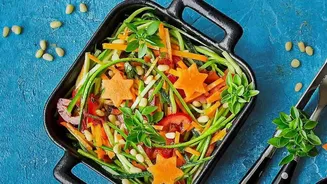
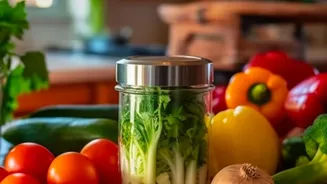
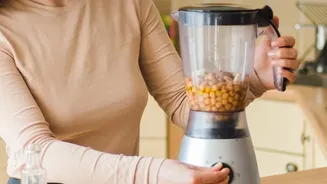
Achieving a 30-minute meal isn't about magic; it's about technique. One of the most effective strategies is meal prep. Simply chopping vegetables, marinating proteins, or making a curry base over the weekend can slash your weeknight cooking time. Embrace one-pot or sheet-pan dinners, which minimise both effort and cleanup. These methods involve tossing all your ingredients—protein, vegetables, and starches—onto a single pan and letting the oven do the work. Modern kitchen gadgets are also game-changers. An air fryer can crisp up vegetables or kebabs in minutes, while an Instant Pot can cook lentils and curries in a fraction of the traditional time, making them indispensable tools for the time-savvy cook.
Cooking as Self-Care
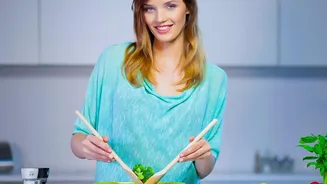
While the 30-minute meal is born from a need for speed, the act of cooking itself remains a powerful form of self-care. Even a short session in the kitchen can be a mindful, therapeutic activity that helps you disconnect from the stresses of the day. The repetitive motion of chopping or the sensory experience of smelling spices can be incredibly grounding. By making delicious, nourishing food for yourself and your family, you are engaging in a fundamental act of care. The 30-minute meal framework makes this daily ritual accessible, proving that you don't need hours to create something that feeds both body and soul.