

More Than One Look
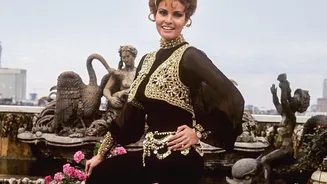
When we think of the 1970s, it's easy to picture one specific hairstyle: big, bouncy, and feathered. But the decade was a melting pot of trends, reflecting a wider cultural shift away from the rigid styles of the 1960s. Influenced by everything from disco
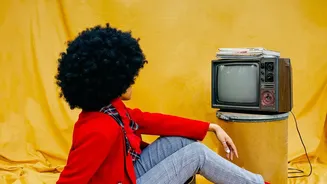
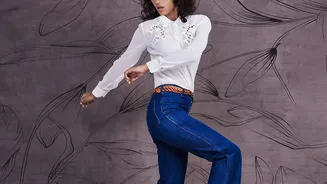
to punk rock and the lingering hippie movement, 70s hair was an exercise in self-expression. For every highly-styled look, there was an equally popular natural one. The decade celebrated long, straight hair parted in the middle, the rebellious and unisex shag cut, voluminous Afros, and, of course, the soft, romantic waves that serve as the direct ancestor to today's popular style.
The Farrah Fawcett Phenomenon
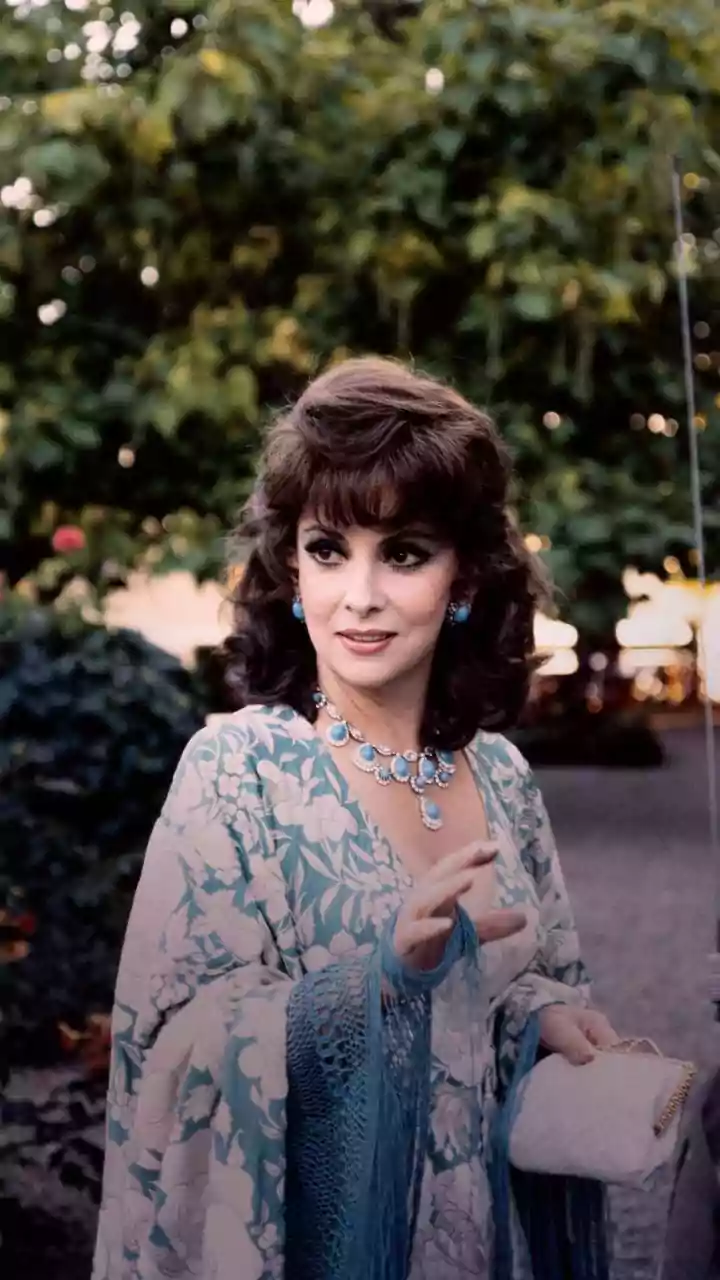
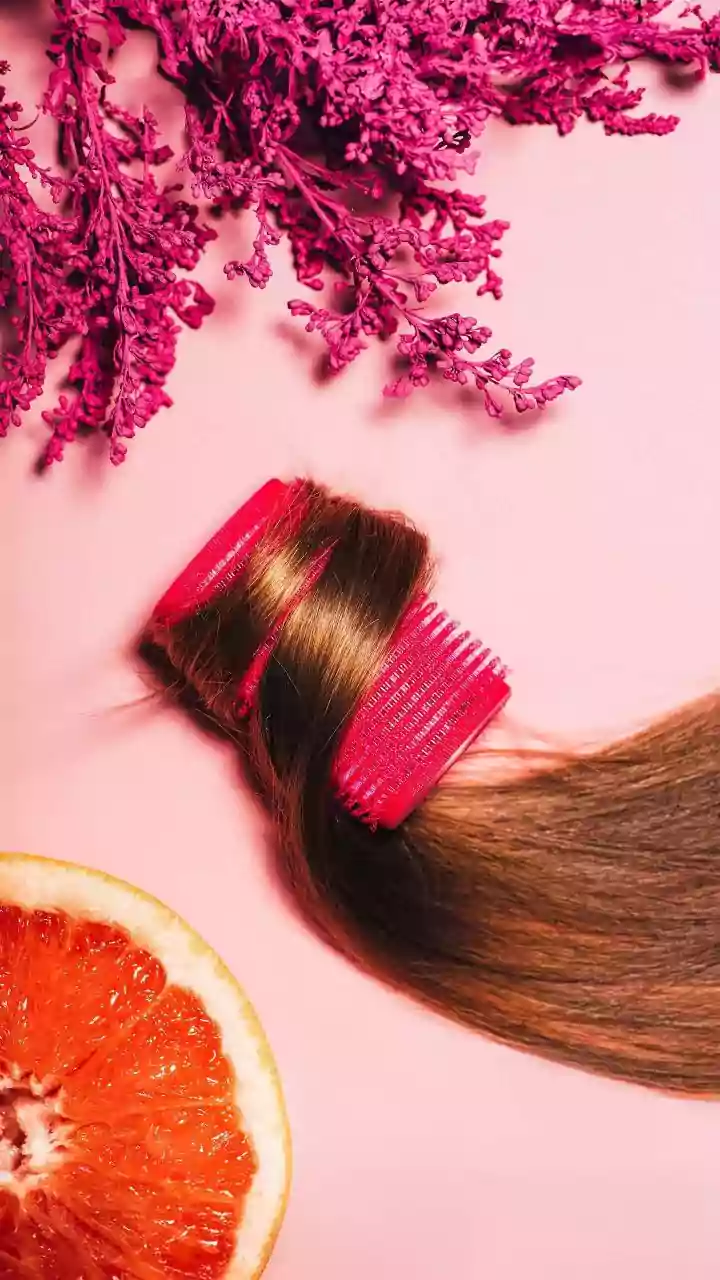
No discussion of 70s hair is complete without mentioning Farrah Fawcett. When she debuted her iconic feathered hairstyle on 'Charlie's Angels', it became an international sensation. Known as the 'Farrah-flip', the style was defined by its voluminous, sweeping layers that curled away from the face. It was a high-maintenance look, often requiring hot rollers and a lot of hairspray to achieve that signature bounce and volume. While not exactly 'loose waves' as we know them today, the feathered look emphasized movement, layers, and a glamorous, windswept feel that broke from the static helmets of the past.
The Rise of the Shag
Another defining, and arguably more rebellious, cut of the era was the shag. Popularized by rock stars like Joan Jett, Mick Jagger, and David Bowie, the shag was a unisex style defined by its choppy, heavy layers on top and thinner, feathered ends. Hairstylist Paul McGregor is often credited with creating the cut for Jane Fonda for her role in the 1971 film 'Klute'. The shag was intentionally messy and textured, a direct rejection of the polished looks of the 60s. It embraced natural texture and offered a 'rock-and-roll' edge that was both effortless and cool. This emphasis on layers and a less 'done' look is a key piece of DNA found in modern 70s-inspired styles.
Bohemian Waves and Natural Texture
On the other side of the glamour spectrum were the soft, natural styles inspired by the bohemian and folk scenes. This is where today's 'loose waves' find their truest roots. Icons like Stevie Nicks of Fleetwood Mac championed long, flowing hair with a soft, ethereal texture. This look wasn't about perfect curls or massive volume, but rather an effortless, 'lived-in' style that featured gentle bends, soft layers, and often a signature fringe or curtain bangs. It captured a sense of freedom and romanticism that stood in contrast to both the high-glam disco looks and the sharp edges of punk. This style prioritized natural texture, often looking like it was air-dried and minimally styled, embodying the carefree spirit of the Laurel Canyon music scene.
The Modern Interpretation
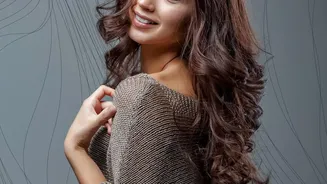
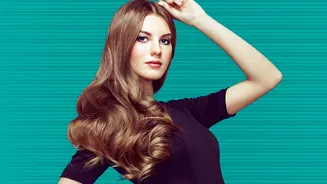
So, where do today's loose waves fit in? The modern 70s-inspired wave is a hybrid, blending the best elements of the decade into a softer, more wearable look. It takes the layering and face-framing from the shag and feathered styles but embraces the relaxed, natural ethos of the bohemian wave. Instead of the tight curls from hot rollers or the extreme volume of the disco era, stylists today use curling irons and texturizing sprays to create undone, flowing waves that feel effortless. It’s less about a perfect 'set' and more about creating movement and a healthy, glossy finish. The center part remains a staple, and curtain bangs—popularized in the 70s by stars like Goldie Hawn—are a frequent and fitting companion to the style.