




An Official Freeze
To understand the unofficial story, one must first look at the official one. Following the Pulwama terror attack in February 2019, India withdrew the Most Favoured Nation (MFN) status it had granted to Pakistan. In August of the same year, Pakistan formally
suspended bilateral trade with India after the constitutional changes in Jammu and Kashmir. The result was a dramatic collapse in direct commerce. Official bilateral trade, which stood at $2.41 billion in 2018, plummeted. While some essential items like pharmaceuticals were later given exemptions, the bustling Attari-Wagah land port, once a key artery for commerce, fell largely silent. Recent figures show official imports by Pakistan from India at just a few hundred million dollars, with exports to India being negligible.
The Dubai Detour
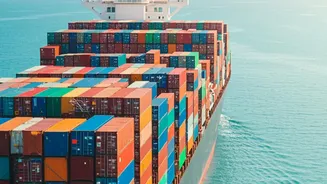
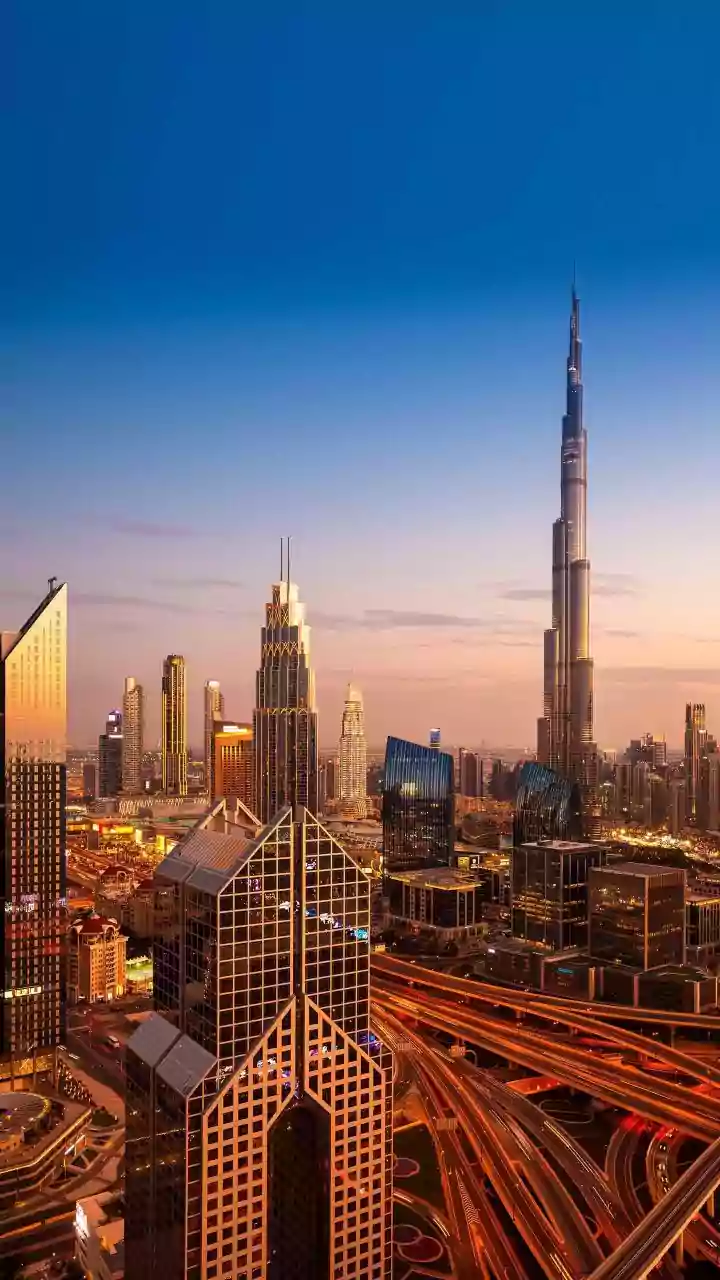
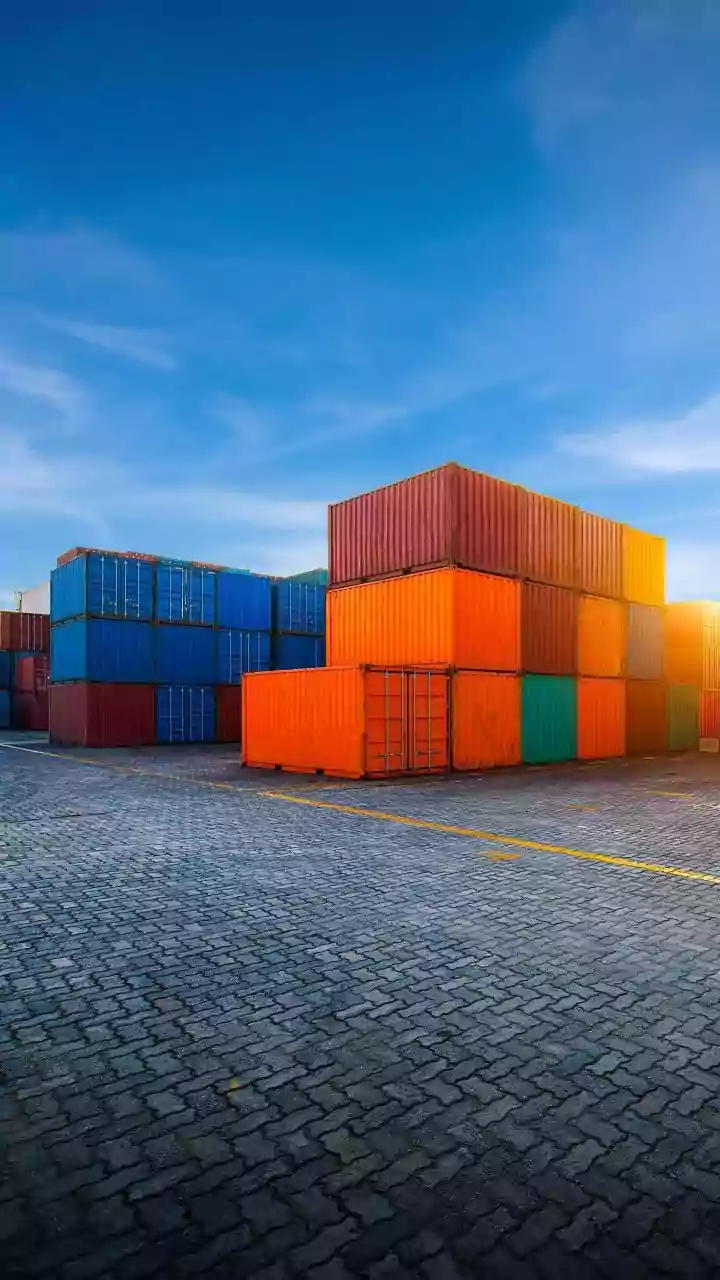
While the front door was slammed shut, a backdoor trade route swung wide open, primarily through the United Arab Emirates. Dubai, with its world-class logistics, free zones, and financial infrastructure, has become the primary hub for indirect trade between the two nations. The process is straightforward but costly: Indian goods are exported to a company in the UAE, where the items are sometimes re-packaged or simply re-invoiced before being shipped to Pakistan. This 'third-country routing' allows businesses to navigate the political restrictions. While Dubai is the main channel, other hubs like Singapore and Colombo are also used to keep the supply chains moving. An Indian think tank, the Global Trade Research Initiative (GTRI), has estimated that this indirect trade could be worth as much as $10 billion annually.
What's in the Crates?
The goods making this circuitous journey are not trivial; they are often essential. A significant portion of this indirect trade consists of raw materials for Pakistan's pharmaceutical industry. Despite the political climate, Pakistan remains dependent on Indian active pharmaceutical ingredients (APIs) and other chemicals for its medicine production. Other key products include textiles, machinery, electronics, and agricultural goods like spices and tea. For Pakistan's textile sector, which has faced declining domestic cotton production, sourcing from India via third countries has become a costly necessity. Similarly, Indian refineries are geographically closer to Pakistan than many of its other suppliers, making petroleum another potential product for more efficient trade.
The High Cost of Indirect Trade
This reliance on indirect routes comes at a steep price, ultimately paid by businesses and consumers in Pakistan. The rerouting adds significant logistical and administrative layers, increasing the final cost of goods by an estimated 15-25%. This added expense is a direct consequence of political friction. The Pak-India Business Council recently estimated that the suspension of direct trade has resulted in economic losses of around $40 billion for Pakistan since 2019. Business communities on both sides frequently voice their frustration. For Pakistan's pharmaceutical sector alone, sourcing raw materials directly from India could save an estimated $2 billion to $3 billion annually. These figures highlight a stark reality: what is politically impossible remains economically essential.
Calls for a Rethink
The sheer scale of indirect trade and its associated costs have led to growing calls from business leaders, particularly in Pakistan, to reconsider the trade suspension. Chambers of commerce in both Amritsar and Lahore have pointed to the mutual benefits of reopening formal channels, citing lost revenue and the idling of significant infrastructure like the Integrated Check Post at Attari. In recent months, prominent figures from both India and Pakistan have signed open letters urging their governments to restore dialogue, diplomatic ties, and trade. While New Delhi has maintained that terror and trade cannot go together, some Pakistani officials have acknowledged the economic pressure and indicated a willingness to 'seriously examine' the issue. The debate continues, weighing the heavy economic logic against an even heavier political reality.