

As the intense summer heat gives way to pleasant, sunny days, Jaipur transforms into a traveller's paradise. The cooler season, from October to March, is the perfect time to explore the Pink City's majestic forts, palaces, and vibrant markets.
1. Amer Fort
No trip
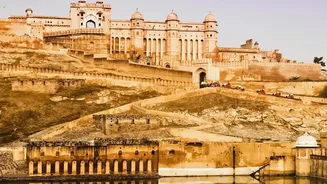
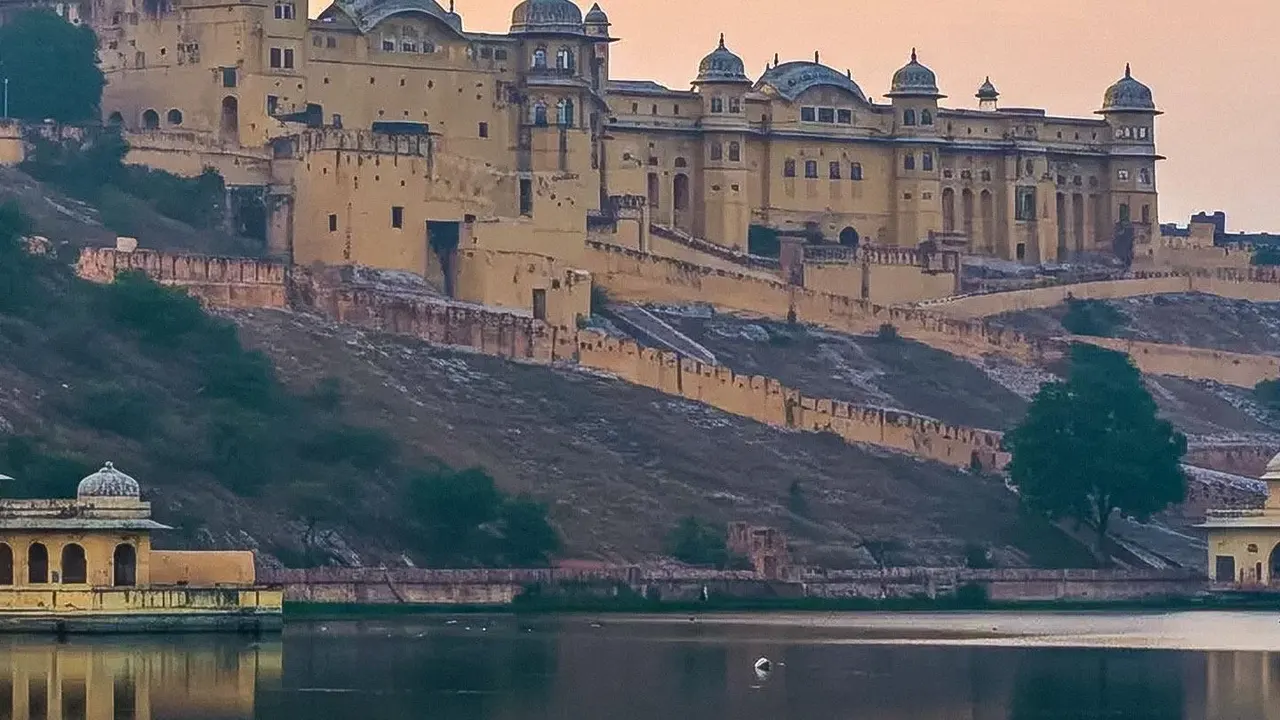
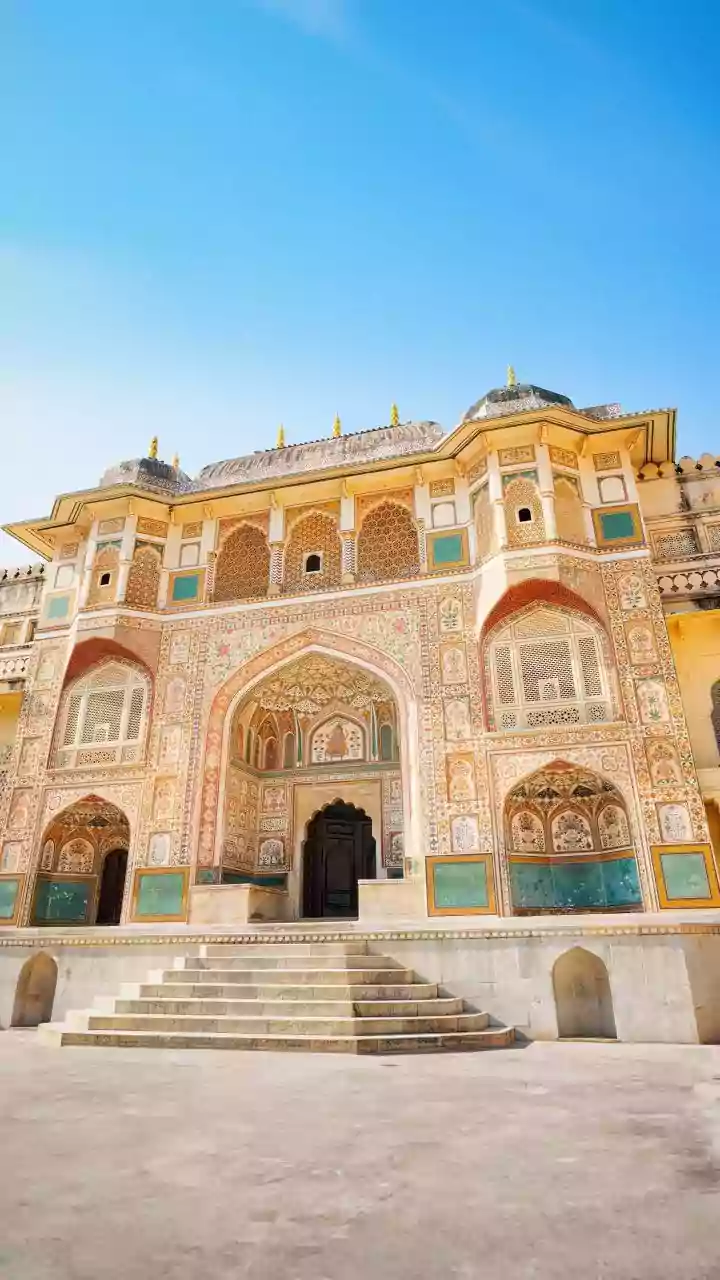
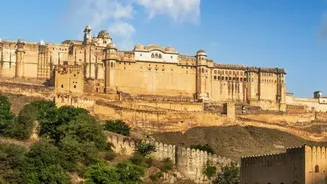
to Jaipur is complete without a visit to the magnificent Amer Fort. This UNESCO World Heritage site, a sprawling complex of palaces, halls, and gardens, is a stunning example of Rajput architecture. The pleasant winter weather is ideal for the walk up to the main entrance and exploring its vast courtyards, including the breathtaking Sheesh Mahal (Mirror Palace). For a magical end to your day, catch the evening light and sound show that brings the fort's history to life. The show's timings vary by season, with winter shows typically starting earlier in the evening.
2. Hawa Mahal
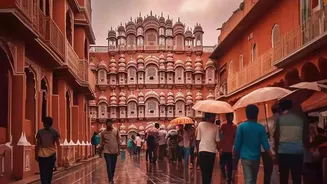
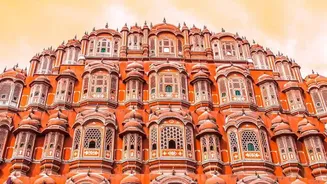
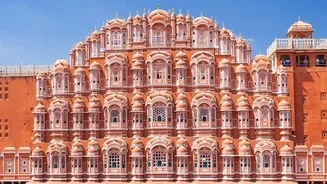
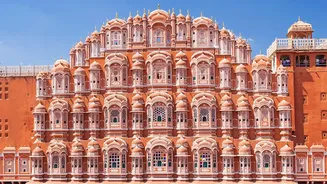
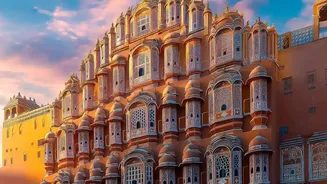
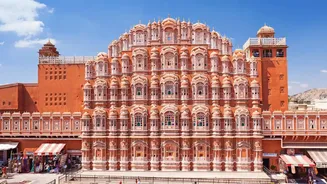
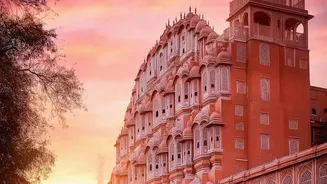
The iconic 'Palace of Winds' is arguably Jaipur's most famous landmark. This five-storey, pink sandstone facade with its 953 intricately latticed windows ('jharokhas') was built in 1799. It was designed to allow the royal women to observe street festivities unseen. While the exterior is stunning, especially in the early morning light, a visit inside reveals a series of ramps and small chambers. From the top, you get a unique perspective of the City Palace and Jantar Mantar. The monument is generally open from 9:00 AM to 5:00 PM.
3. City Palace
Located in the heart of the Old City, the City Palace is a grand complex that has been the seat of the Maharaja of Jaipur since the 18th century. A beautiful fusion of Rajput, Mughal, and European architectural styles, it comprises courtyards, gardens, and buildings. Key highlights include the Mubarak Mahal, now a museum showcasing royal costumes and artifacts, and the Chandra Mahal, parts of which are still a royal residence. The cooler months are perfect for comfortably strolling through its expansive grounds.
4. Jantar Mantar
Next to the City Palace lies another UNESCO World Heritage site, Jantar Mantar. This remarkable open-air astronomical observatory was built by Maharaja Sawai Jai Singh II in the early 18th century. It houses a collection of nineteen architectural astronomical instruments, including the world's largest stone sundial, which can tell the time with an accuracy of about two seconds. To truly appreciate the scientific genius behind these structures, visiting on a clear, sunny day is best, and hiring a guide is highly recommended.
5. Nahargarh Fort
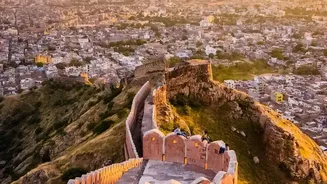
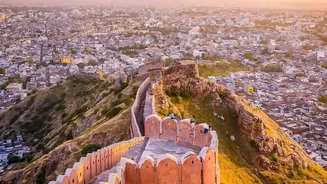
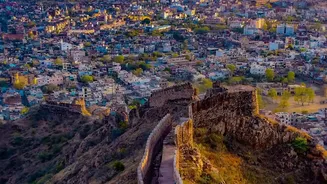
For the most spectacular panoramic views of Jaipur, head to Nahargarh Fort. Perched on the Aravalli Hills, this fort was part of the city's original defence system. It has become famous as the city's premier sunset spot. Arrive in the late afternoon to explore the Madhavendra Bhawan, a palace with interconnected suites for the queens, before finding a spot on the ramparts to watch the city turn golden and then twinkle with lights as dusk falls. The crisp winter air offers excellent visibility.
6. Jaigarh Fort
Overlooking Amer Fort, Jaigarh Fort is a rugged military bastion built to protect the former. The two forts are connected by subterranean passages. Jaigarh is most famous for housing the 'Jaivana', which was the world's largest cannon on wheels at the time of its manufacture in the early 18th century. The fort's high vantage point provides commanding views of the surrounding Aravalli hills and Amer Fort below. The comfortable winter weather makes exploring its extensive grounds a pleasure.
7. Albert Hall Museum
Situated in the lush Ram Niwas Garden, the Albert Hall Museum is Rajasthan's oldest museum. The building itself is a masterpiece of Indo-Saracenic architecture, laid in 1876. Inside, you'll find an extensive collection of artifacts, including paintings, carpets, ivory, stone, and metal sculptures. A major attraction is an Egyptian mummy. The museum is particularly stunning at night when it is illuminated with colourful lights, offering a different but equally captivating experience.
8. Jal Mahal
Floating serenely in the middle of Man Sagar Lake, the Jal Mahal or 'Water Palace' is one of Jaipur's most picturesque and tranquil sights. While you cannot go inside the palace, the view from the promenade is enchanting, especially during the golden hours of sunrise and sunset. In winter, the calm waters and clear skies often create a perfect reflection of the palace, making it a favourite spot for photographers.
9. The Bazaars of the Walled City
A trip to Jaipur is incomplete without diving into its bustling markets. The walled city is a shopper's paradise. Head to Johari Bazaar for exquisite jewellery, from traditional Kundan and Meenakari work to gemstones. Nearby Bapu Bazaar is a riot of colour, famous for textiles, block-printed fabrics, and leather 'juttis' (shoes). Bargaining is part of the experience. These markets are not just for shopping; they are a vibrant cultural immersion.
10. Chokhi Dhani
For an evening of cultural immersion, head to Chokhi Dhani, a mock Rajasthani village resort located on the outskirts of the city. It offers a comprehensive Rajasthani experience in one place, complete with folk dances, music performances, puppet shows, camel rides, and craft stalls. The experience culminates in a traditional Rajasthani thali dinner, where you are served a variety of local dishes in a traditional setting. It's a fun-filled outing, especially for families and first-time visitors to the state.