




Start With the Source: Water
Before you even think about plants, the first and most critical step is managing water. Mosquitoes don’t need a swimming pool to breed; a bottle cap’s worth of stagnant water is enough to produce dozens of larvae. Female mosquitoes lay their eggs in still
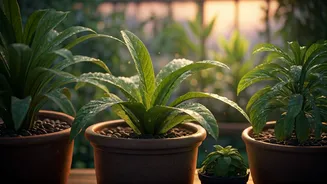
water, and those eggs can hatch within 48 hours. To disrupt this cycle, regularly inspect your garden and balcony. Empty water from plant saucers, unused pots, buckets, and even children's toys. If you have a birdbath, change the water at least twice a week or install a small pump to keep it moving. Ensure your gutters are clean and drains are unclogged to prevent water from collecting. This single practice is the most effective foundation for reducing the mosquito population around your home.
Recruit a Plant Army
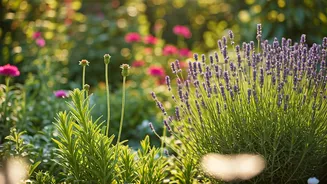
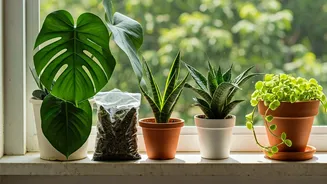
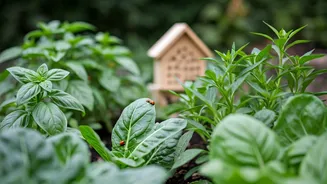
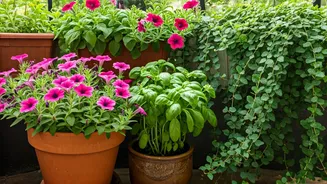
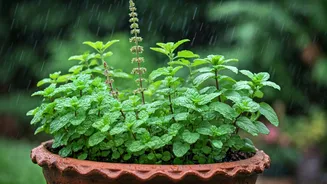
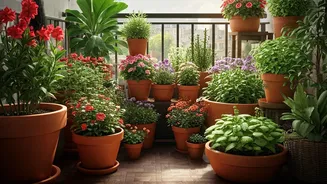
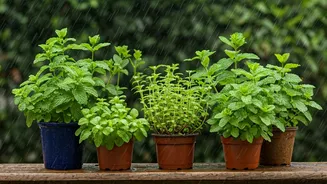
Certain plants contain aromatic oils that mosquitoes find unpleasant, making them great additions to your garden. For Indian climates, several options thrive. Marigolds (Genda) are a popular choice; their distinct smell contains Pyrethrum, a compound used in many insecticides. Lemongrass and Citronella Grass are famous for their mosquito-repelling properties, containing oils like citronellal that mask the scents that attract mosquitoes to us. Holy Basil (Tulsi) is a staple in many Indian homes and also helps deter these pests. Other fragrant herbs like Mint (Pudina), Rosemary, and Lavender not only add flavour to your kitchen and calm to your home but also contribute to your defence. Plant these in pots near seating areas, windows, and doorways to maximize their effect.
Understand the Plant Power Myth
Here's the reality check: simply having these plants isn't a magic forcefield. The repellent properties come from the essential oils within the leaves, which are most potent when released. Most research shows that the scent from a living, growing plant alone isn't strong enough to offer significant protection. To truly activate their power, you need to crush or rub the leaves between your fingers to release the fragrant oils. Some people crush a few mint or lemongrass leaves as they sit outside to boost the repellent effect. Think of these plants as one layer in a multi-part strategy, not a standalone solution.
Maintain Your Defences
A tidy garden is a less inviting habitat for adult mosquitoes. These insects love to rest in cool, shady, and damp places during the day. Keep your lawn trimmed, and don't let shrubs or grasses become too overgrown, especially in high-traffic areas. Regularly clear away fallen leaves and other debris that can hold moisture or clog drains. Healthy plants also emit stronger scents, so keep them well-maintained. If you use mulch, avoid overly thick layers that can trap moisture and create a haven for pests. A well-kept garden not only looks better but also offers fewer hiding spots for unwanted guests.
Go Beyond the Garden Bed
For extra protection, especially during peak mosquito hours, you can supplement your gardening efforts with other natural methods. Using citronella candles or incense can provide a temporary, localised barrier of smoke and scent. A simple fan directed at your seating area can also be surprisingly effective, as mosquitoes are weak flyers and struggle against even a gentle breeze. Some natural oils, like neem oil, can be diluted and used as a spray around your outdoor space. These additional measures work in tandem with your mosquito-safe garden to create a more comfortable and enjoyable environment.