




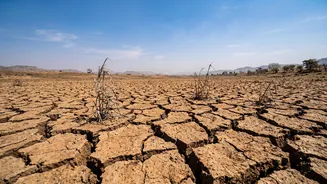
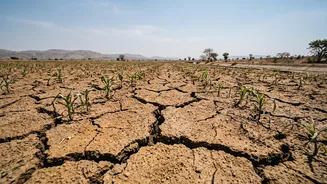

An Uneven and Deficient Monsoon So Far
The 2026 monsoon season has been erratic. After a weak start in June, a strong recovery in July helped narrow the rainfall deficit, but August has been patchy. As of late August, cumulative rainfall for the season was around 13% below the long-period
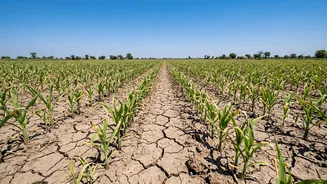
average. This national figure, however, masks significant regional disparities. According to the India Meteorological Department (IMD), while some regions have received normal to excess rain, key agricultural belts in the south and northwest have faced significant shortfalls. States like Bihar, Punjab, and parts of Karnataka have recorded major deficits, creating a precarious situation for farmers as they enter the final phase of the crop cycle. The IMD had earlier forecast a below-normal monsoon for 2026, linked to developing El Niño conditions.
Crops on the Edge
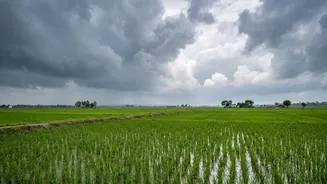
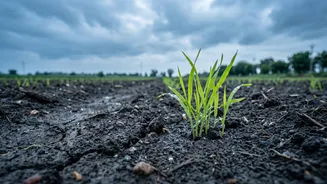
September rainfall is critical for standing Kharif crops, which are in their grain-filling and maturation stages. Paddy (rice) is particularly vulnerable. Overall Kharif sowing as of late August was slightly behind last year, with the area under paddy showing a notable lag of over 3%. Deficient rainfall in major rice-growing states is the primary cause. Good showers in September are essential for improving yields and ensuring soil moisture for the upcoming Rabi (winter) planting season. Other key crops being closely watched are oilseeds like soybean and groundnut, as well as pulses and cotton. While sowing for pulses has been slightly better than last year, the final output for all these rain-fed crops is heavily dependent on the last leg of the monsoon. Too much rain can also be a problem, as it can damage mature, standing crops ready for harvest.
The Regional Rain Forecast
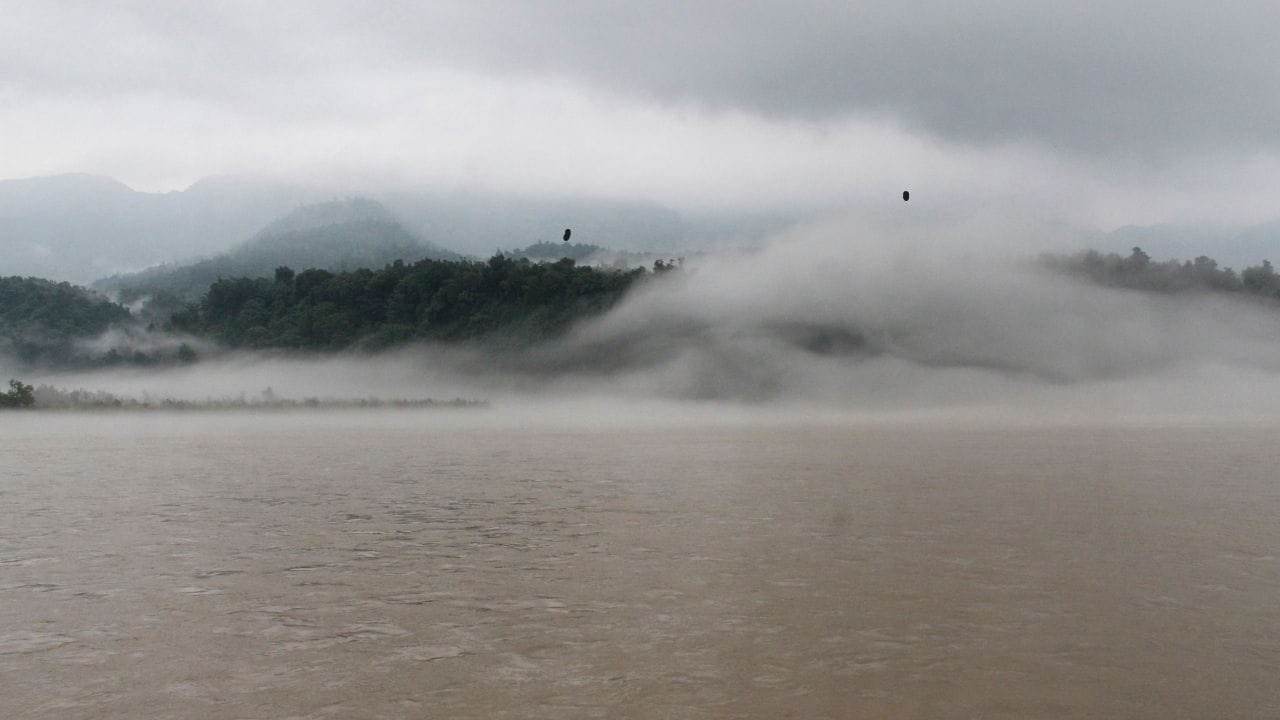
The latest IMD forecast for the first week of September brings a mixed bag of news. A low-pressure area is expected to bring widespread and heavy rainfall across eastern and central India, including states like Odisha, Chhattisgarh, Jharkhand, and East Madhya Pradesh. This could be beneficial for the paddy crop in these regions. However, the forecast also points to continued subdued rainfall activity over Peninsular India, which includes agriculturally important states like Karnataka, Telangana, and Andhra Pradesh, as well as Maharashtra's Marathwada region. Northwest India, including Punjab and Haryana, is also expected to see only scattered rainfall. This uneven distribution means that while some areas might get a much-needed boost, others could slip further into distress, impacting regional crop outputs differently.
Market Jitters and Economic Impact
The uncertainty surrounding the September monsoon has already put commodity markets on alert. The performance of the rains will directly influence wholesale prices at local mandis and the trajectory of food inflation for consumers. A poor harvest in key crops could lead to a spike in prices and potentially necessitate government interventions like import measures to stabilise supplies, as has been seen with sugar. Economists are watching closely, as a weak agricultural performance can dampen rural demand and have a cascading effect on the broader economy. A report from Union Bank of India warned that a significant shortfall in September could push consumer price inflation higher in the coming fiscal year. The outcome will also be critical for farmer incomes, especially for small and marginal farmers who are most exposed to the vagaries of the weather.