





The Science Behind the September Swelter
The phenomenon driving this potential heatwave is what meteorologists call a 'monsoon break'. During a typical monsoon, widespread cloud cover and rainfall keep temperatures in check. However, a break period is characterized by a significant reduction
in rainfall and clearer skies. According to the India Meteorological Department (IMD), September is likely to see below-normal rainfall, possibly less than 91% of the long-term average. This dry spell is largely attributed to strengthening El Niño conditions in the Pacific Ocean, which historically correlate with weaker monsoons in India. When the rains subside, there is less moisture in the soil for evaporation and fewer clouds to block solar radiation. As a result, more of the sun's energy heats the ground and the air, leading to a sharp rise in daytime temperatures. This effect was already seen in August 2026, which was the hottest August recorded in India since 1901.
Hotspots and Regional Impacts
While the entire country might feel the effects, some regions are more vulnerable than others. The IMD predicts that average maximum temperatures will likely be above normal for most parts of the country. Areas in northwestern and the Gangetic plains, which are normally dry, can experience dangerous heat stress when high humidity from the residual monsoon moisture combines with rising temperatures. Conversely, in southern and eastern India where humidity is already high, the clear skies and reduced rain during a monsoon break trap heat, creating intensely uncomfortable conditions. Though some parts of east, northeast, and central India might receive normal rainfall, a majority of the country is expected to face a deficit. This pattern means that even regions that saw adequate rain earlier in the season could face a sudden and difficult shift to hot and dry weather.
The Toll on Health and Daily Life
An unseasonably hot and humid September poses significant health risks. The combination of heat and high humidity is particularly dangerous because it hampers the body's ability to cool itself through sweating, leading to a condition known as 'moist heat stress'. This can quickly escalate to heat exhaustion and life-threatening heatstroke, with symptoms including a high body temperature, rapid heartbeat, and confusion. Elderly people, children, and outdoor workers are especially vulnerable. The heat also disrupts daily life by affecting sleep quality, increasing irritability, and causing fatigue. The hours between noon and 4 PM are considered the most dangerous for outdoor activity, and health experts advise staying indoors in well-ventilated or cool spaces during this period.
Ripple Effects for Agriculture and the Economy
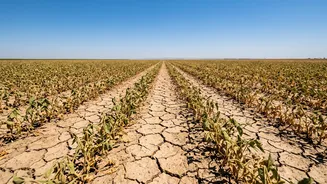
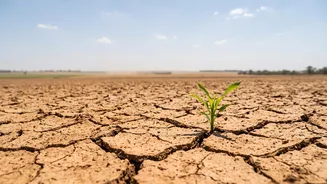
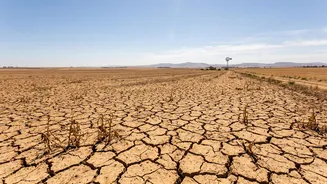
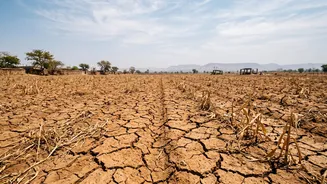
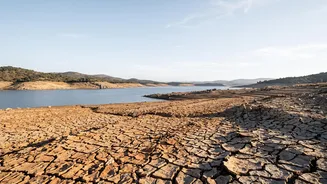
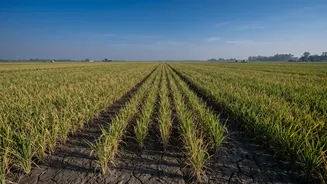
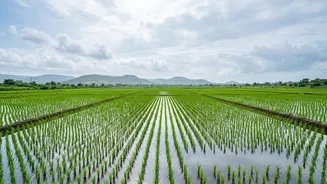
Beyond personal discomfort, a weak end to the monsoon has serious economic consequences. September's rainfall is crucial for the maturation of summer-sown (kharif) crops like rice, soybeans, and cotton. A rainfall deficit reduces soil moisture, which can stunt crop growth and significantly reduce yields. This not only impacts farmers' livelihoods but also raises the risk of food price inflation. Furthermore, inadequate rain affects water levels in reservoirs, which are vital for both winter (rabi) crop irrigation and hydroelectric power generation. Low reservoir levels can strain power grids as demand for air conditioning rises, creating a cycle of increased energy consumption when resources are already under pressure. The lack of moisture for winter planting could also affect future harvests of essential crops like wheat.
How to Cope with the Unexpected Heat
Staying safe during this period requires proactive measures. The most critical advice is to stay hydrated. Drink plenty of water throughout the day, even if you don't feel thirsty. Drinks that replenish electrolytes, like coconut water, buttermilk, or nimbu paani, are highly effective. It's best to avoid caffeine and alcohol, as they contribute to dehydration. Opt for light, water-rich foods such as watermelon, cucumber, and curd, and avoid heavy, spicy, or high-protein meals that increase body heat. Wear loose, light-coloured cotton clothing to help your skin breathe. To keep your home cool, use curtains to block direct sunlight and create cross-ventilation by opening windows during cooler parts of the day, such as the early morning and late evening.