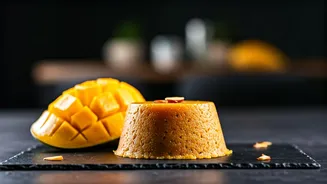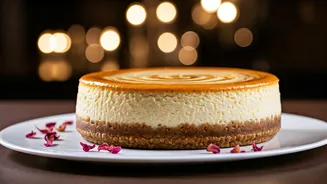



The Global-Desi Mashup
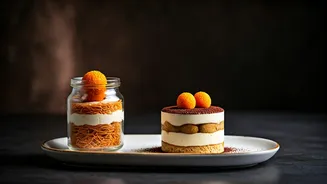
The Motichoor Tiramisu isn't just a dessert; it's a statement. This trend is all about taking the soul of a beloved Indian sweet and giving it a Western body. Imagine the granular, ghee-soaked goodness of a motichoor ladoo meeting the creamy, coffee-kissed
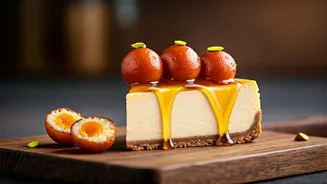
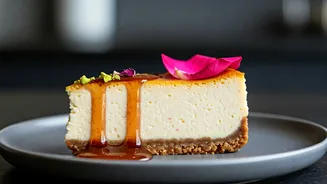
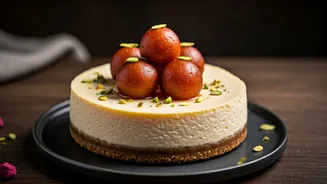
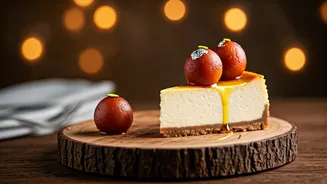
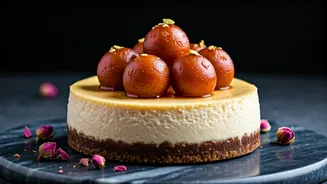
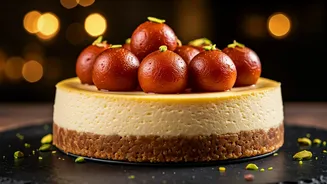
layers of an Italian tiramisu. It works because it hits two notes simultaneously: the comfort of the familiar and the thrill of the new. Chefs are no longer just serving Indian sweets; they are reimagining them. We're seeing Gulab Jamun cheesecakes, where the cake has a delicate cardamom and saffron flavour, and Jalebi-infused cupcakes with a rabri frosting. This isn't about confusing flavours but finding a delicious harmony between two distinct culinary worlds. It's a confident, creative approach that says Indian flavours are versatile enough to play on a global stage.
Everything in a Jar
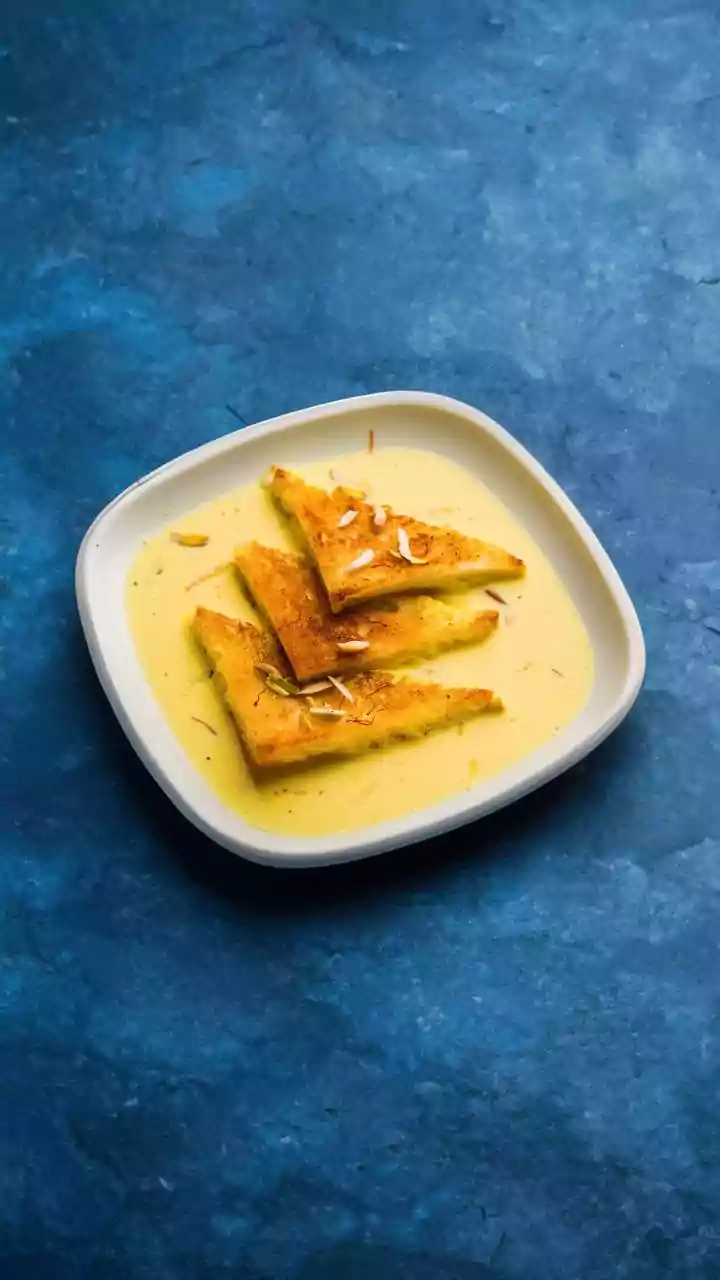
The Kunafa Jar is a perfect example of this unstoppable trend. Why a jar? It's part convenience, part aesthetic. In our fast-paced, visually driven world, a dessert in a jar is portable, perfectly portioned, and incredibly Instagrammable. The clear glass showcases the beautiful, distinct layers—a crunchy base, a creamy centre, a fruity topping—creating a sort of edible geology. This format is being applied to everything. Think Rasmalai Tres Leches, where a spongy cake soaked in three kinds of milk is layered with crushed rasmalai and pistachios. Or consider a Shahi Tukda Trifle, with layers of crisp, syrup-soaked bread, rich rabri, and nuts. It’s a deconstructed dessert experience that you can hold in your hand, offering a perfect spoonful with all components in every bite.
The Art of Deconstruction
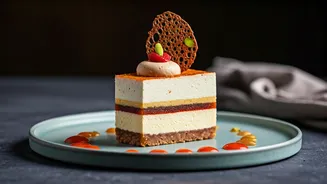
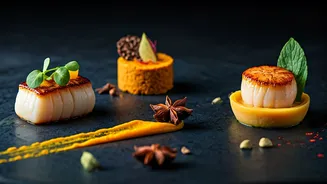
Why serve a Gajar ka Halwa in a bowl when you can serve its essence on a platter? The deconstruction trend is for the adventurous palate. It involves breaking down a classic dessert into its core components and presenting them in a new, artistic way. For instance, a deconstructed Gajar ka Halwa might feature a carrot foam, a cardamom-spiced soil (made from crumble), milk ice cream, and dehydrated carrot chips. It’s the same flavour profile we know and love, but the textures and temperatures are completely different. This approach challenges our perception and turns a familiar comfort food into a culinary exploration. It’s less about a quick sweet fix and more about an experience that engages all the senses.
Savoury Meets Sweet
The line between the main course and dessert is getting delightfully blurry. The new Indian sweetscape isn't afraid to embrace savoury notes to create complexity and balance. A pinch of sea salt on a chocolate-ganache-filled kachori, a hint of black pepper in a strawberry-shrikhand tart, or even a sliver of bacon-brittle atop a maple-jaggery kulfi are no longer considered shocking. These savoury elements act as a counterpoint to the sweetness, preventing the dessert from becoming one-dimensionally sugary. It elevates the dish, making each bite more interesting than the last. Look out for desserts featuring ingredients like rosemary, thyme, olive oil, and even artisanal cheeses, which add an unexpected but welcome depth.
The Rise of Conscious Indulgence
Indulgence is no longer synonymous with guilt. A major wave in the dessert world is the move towards healthier, more mindful sweets. This doesn't mean sacrificing flavour; it means being smarter with ingredients. We're seeing a surge in desserts made with millets, almond flour, and oats instead of refined flour. White sugar is being replaced by natural sweeteners like jaggery, coconut sugar, dates, and honey. The vegan movement has also made its mark, with pastry chefs mastering the art of creating creamy, decadent desserts using plant-based milks, avocado, and silken tofu. Think a rich chocolate mousse made with avocado or a delectable phirni crafted from almond milk and sweetened with palm jaggery. It's about enjoying something sweet that also feels good.
Celebrating Hyper-Local Flavours
As the culinary world looks inward, India’s vast and diverse pantry is finally getting its moment in the spotlight. Beyond mangoes and coconuts, chefs are exploring regional and indigenous ingredients to create unique desserts. Imagine a panna cotta infused with the fragrant Gondhoraj lime from Bengal, a sorbet made from the tart Jamun fruit, or a cheesecake sweetened with Mahua flower syrup from Central India. This trend is about celebrating terroir and rediscovering forgotten flavours. It connects the diner to a specific region and its heritage, offering a taste that is both exotic and deeply rooted in Indian soil. These desserts tell a story, offering a delicious lesson in the country's rich botanical diversity.