





Decoding the Dangers of Heat
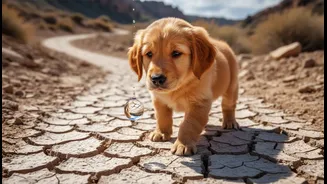
Heat is one of the most significant and common dangers for pets outdoors. Unlike humans, animals like dogs and cats can't sweat efficiently to cool down; they rely on panting and releasing heat through their paw pads. When the air and ground are too hot,
these methods become ineffective, leading to dangerous overheating and heatstroke. A simple test can tell you if the pavement is too dangerous: place the back of your hand on the surface for five to seven seconds. If it's too hot for you, it's definitely too hot for their paws. On a day with an air temperature of 30°C, asphalt can reach over 55°C, hot enough to cause burns in just a minute. Early signs of heatstroke include excessive panting, thick drool, bright red gums, and weakness or stumbling. More severe symptoms are vomiting, collapse, or seizures. Breeds with flat faces, such as Pugs and Bulldogs, as well as elderly or overweight pets, are at an even higher risk. To stay safe, schedule walks for the cooler early morning or late evening hours.
Navigating Rainy Day Risks
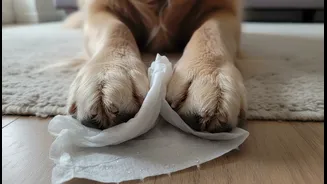
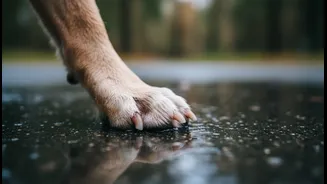
A walk in the rain might seem harmless, but it comes with its own set of precautions. The most significant danger lurks in puddles. Standing water can be a breeding ground for bacteria and parasites like Giardia and Leptospira. Leptospirosis, a bacterial infection spread through the urine of infected animals, thrives in wet environments and can cause severe kidney or liver damage in dogs. Puddles in urban or suburban areas can also collect toxic runoff, such as oil, antifreeze, pesticides, and other chemicals, which can be lethal if ingested. Beyond contaminated water, rain-slicked surfaces can increase the risk of slips and injuries for both you and your pet. For smaller, short-haired, or older pets, getting soaked can also lead to a dangerous drop in body temperature, even in mild weather. After any rainy-day outing, it's wise to dry your pet thoroughly and discourage them from drinking from any puddles. Always bring fresh water from home.
Tackling Tricky Terrain
The ground beneath your pet's paws deserves just as much attention as the weather. Hot surfaces like asphalt, concrete, sand, and even artificial turf can cause painful burns. But heat isn't the only concern. Rough, rocky trails or paths with sharp debris can lead to cuts, scrapes, and bruises on paw pads. Before heading out, inspect your pet's paws for any pre-existing cracks or sores, as these can be made worse by hiking. It’s also important to keep their nails trimmed and the fur between their pads short to prevent debris from getting trapped. For extra protection on challenging hikes or hot days, consider investing in a pair of well-fitted dog booties. Alternatively, paw balms or waxes can help moisturize pads and offer a light layer of defense against hot surfaces and rough ground. After every adventure, be sure to inspect their paws again, checking between the toes for thorns, pebbles, or ticks.
Smarter, Safer Alternatives
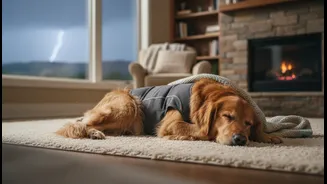
When the weather or terrain is just not cooperating, it doesn't mean the fun has to stop. There are plenty of safe and engaging indoor activities that provide both mental and physical stimulation. Food puzzle toys, snuffle mats, and Kongs filled with treats can keep your pet busy and focused. A simple game of hide-and-seek, where you hide and call your pet, or hide their favorite toy, engages their natural instincts. You can also work on training new tricks or set up a simple indoor obstacle course using pillows, boxes, and hula hoops. If you and your pet are feeling cooped up, look for indoor dog-friendly stores in your area or arrange a playdate with a familiar furry friend. On days that are too hot, cold, or wet, these activities ensure your pet still gets the exercise and enrichment they need without risking their safety.