




A Fundamental Shift in Weekend Culture
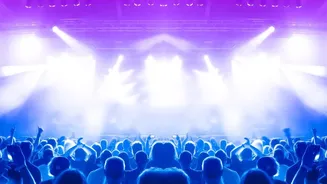
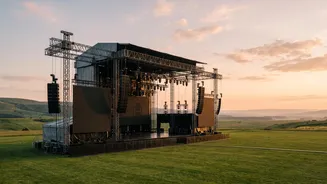
What was once a niche interest has now become a mainstream phenomenon for young Indians. Live music events, from massive international festivals like Lollapalooza to multi-city tours by homegrown superstars like Diljit Dosanjh, are no longer occasional
treats but regular fixtures in their social calendars. The live events market in India has seen unprecedented growth, surpassing the INR 12,000 crore mark in 2024 and projected to grow significantly. This boom isn't just about the music itself; it’s a reflection of shifting priorities, where the value of a shared, live experience often outweighs material possessions. This change in consumer behaviour is particularly prominent among Gen Z and millennials, who are driving the demand for world-class live entertainment.
The Rise of the Experience Economy
Young consumers today are increasingly choosing to spend their disposable income on creating memories rather than accumulating things. A concert is more than just a few hours of entertainment; it’s a story to tell, a social media post to share, and a powerful memory. This pivot towards an ‘experience economy’ is a key driver of the concert boom. For many, attending a live show is a milestone, something worth saving up for and even traveling for. A recent survey revealed that over 62% of Gen Z in India plan to undertake music-led trips in 2026, highlighting how live events have become a primary trigger for travel.
More Than Just Music: A New Social Hub
Concerts have evolved into vibrant social hubs. They are the new meeting grounds where friendships are forged and communities are built around shared musical tastes. The social aspect is a huge draw, with one survey finding that 72% of young people attend concerts in groups of three or more. The phenomenon of ‘gig tripping’—traveling to another city for a concert—is often a group activity, with friends splitting costs on travel and accommodation to make it happen. Social media also plays a crucial role, amplifying the fear of missing out (FOMO) and turning these events into must-attend cultural moments. Seeing friends and influencers post about a festival online often solidifies the decision for others to attend the next one.
An Explosion of Choice and Access
This cultural shift is supported by a massive increase in supply. India is now an essential stop for international artists, not just an afterthought. Global festival brands like Lollapalooza have established a presence, while homegrown festivals such as Sunburn and NH7 Weekender continue to draw huge crowds. The variety of genres has also expanded, with hip-hop, in particular, seeing a surge in popularity and becoming a major draw for younger audiences. The digital revolution has made discovery seamless; platforms like YouTube and Instagram connect Indian youth to global music trends instantly, creating dedicated fanbases for international acts long before they announce a tour. This increased access has democratised the concert experience, bringing it to a wider audience than ever before.
The Economics of a Weekend Concert
While the desire for live experiences is strong, it comes at a cost. Ticket prices can be steep, with festival passes sometimes costing nearly INR 10,000 even before premium upgrades. Yet, young Indians are proving willing to budget for these experiences, often cutting back on other expenses like shopping and dining out. This willingness to spend has created a thriving concert economy. According to one report, for every INR 100 spent on a concert ticket, an additional INR 585 is spent on travel, food, and shopping, showing the significant economic ripple effect of these events. Companies like BookMyShow are investing heavily in infrastructure, from stages to venues, to support this growing demand, signalling long-term confidence in the market.