


The Reality: Prices Are Climbing
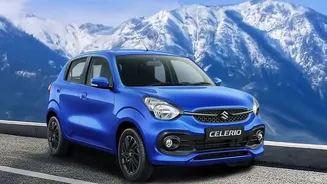
It’s not just your imagination; cars are indeed getting more expensive. India's largest carmaker, Maruti Suzuki, increased prices by up to ₹30,000 in August 2026, its second hike in just a few months. Following suit, Tata Motors announced a price increase of
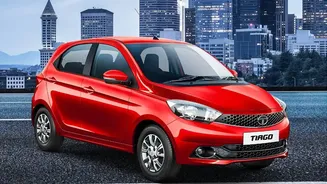
up to ₹25,000 from September 1, covering both its petrol, diesel and electric models. Hyundai isn't far behind, signalling a price hike of up to 1% from September, its third increase in 2026. These aren't isolated incidents. Mahindra & Mahindra also raised prices on its popular SUVs in July. This trend of smaller, more frequent price revisions has become a feature of the market, as companies pass on rising expenses to customers.
Behind the Hikes: Why Is This Happening?
Automakers are facing a perfect storm of cost pressures. The primary driver is the rising price of essential raw materials like steel, aluminium, and copper. Persistent inflation and higher logistics expenses are also significant factors that manufacturers say they can no longer fully absorb. For companies that rely on imported components, foreign exchange volatility adds another layer of cost. Furthermore, the industry is constantly upgrading vehicles to meet stricter safety regulations and consumer demand for better technology, like larger touchscreens and connected car features. Even the shift towards electric vehicles (EVs) contributes to the trend, as the cost of components like batteries has increased. All these factors combined mean that the cost of producing a car today is significantly higher than it was a year or two ago.
The Big Question: Will Festive Discounts Save the Day?
The festive season in India, from Navratri through Diwali, is traditionally the best time to buy a car, thanks to a flood of discounts and special offers. However, with manufacturers already struggling with profitability, will the usual bonanza of deals materialise this year? Industry experts suggest a balancing act. While carmakers need to protect their margins against rising costs, they also need to keep vehicles attractive enough to capture the high demand of the festive period. This means you will likely still see festive offers, but they may be structured differently. Instead of large, direct cash discounts on the ex-showroom price, expect more model-specific deals, financing schemes at lower interest rates, exchange bonuses, or bundled accessories and extended warranties. The massive, across-the-board price cuts of previous years might be less common.
Your Game Plan: How to Navigate the Market
Despite the price hikes, a smart strategy can still land you a good deal. First, don't just look at the sticker price; consider the Total Cost of Ownership (TCO), which includes fuel, maintenance, and insurance. A more fuel-efficient car or an EV might have a higher purchase price but could save you money in the long run. Second, be flexible. If you have your heart set on a newly launched model that's in high demand, discounts will be minimal. However, you might find better offers on slightly older models or less popular variants that dealers are keen to move. The pre-owned market is another excellent option, where you can often find a nearly-new vehicle for a significantly lower price. Finally, if your purchase isn't urgent, you could consider waiting. While prices are currently rising, market dynamics can change. However, analysts suggest the trend of price increases may continue, with potential hikes of ₹30,000 to ₹1 lakh depending on the car segment.