






The New Look of Indulgence
The modern snack is getting a makeover. What were once considered simple indulgences are now being positioned as contributors to a healthy lifestyle. This is the core of the "better-for-you" (BFY) movement, a dominant force in the global food industry.
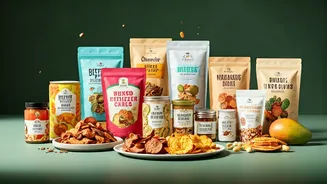
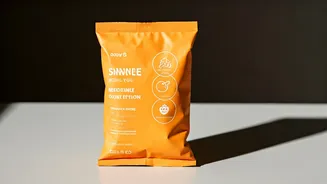
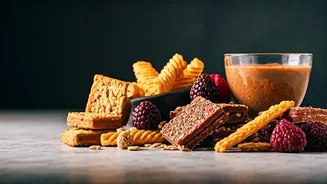
Brands are reformulating classic treats to include ingredients associated with health and wellness. Think high-protein cookies, fibre-rich crackers, and plant-based chips. Even beverages aren't immune, with fizzy drinks now containing prebiotics and other functional ingredients aimed at improving gut health. This shift isn't just about what's inside the package; it's about the story told on the outside. Labels are increasingly using terms like "all-natural," "no added sugar," "plant-based protein," and "clean label" to appeal to a new generation of health-aware shoppers.
The Psychology of the 'Health Halo'
This marketing strategy taps into a powerful cognitive bias known as the "health halo effect." This is when a single positive claim—like "low-fat" or "organic"—leads a consumer to perceive the entire product as healthy, regardless of its overall nutritional profile. A cookie with "added protein" might still be high in sugar and saturated fat, but the wellness-focused claim gives it a halo of healthfulness. This can lead consumers to feel less guilty about indulging and, in some cases, even consume more than they otherwise would, mistakenly believing their choice is a virtuous one. Marketers understand that in a crowded marketplace, these mental shortcuts help people make quick decisions. A wellness buzzword can be enough to signal that a product aligns with a consumer's health aspirations.
Why Now? The 'Permissible Indulgence' Era
The rise of wellness snacks is a direct response to a major cultural shift. Today's consumers, particularly younger generations, are increasingly health-conscious but are also pushing back against restrictive diet culture. They are seeking what the industry calls "permissible indulgence"—the ability to enjoy a treat without feeling guilty. People want snacks that not only taste good but also offer functional benefits, whether that's an energy boost, digestive support, or muscle health. This has created a booming market for products that bridge the gap between nutrition and indulgence. As more people snack throughout the day, sometimes replacing entire meals, the desire for more nutritional value from these smaller bites has grown significantly.
A Dietitian's Perspective
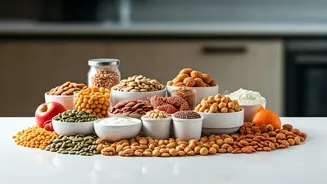
While enhanced snacks can be a step up from their traditional counterparts, nutrition experts advise caution. The primary concern is that the health halo effect can be misleading. A single positive attribute doesn't automatically make an ultra-processed food healthy. Experts emphasize the importance of looking beyond the flashy front-of-pack claims and examining the full nutrition facts panel. A so-called "healthy" snack bar can still contain a surprisingly high amount of sugar. A dietitian's advice is often to focus on whole foods first. A snack combining natural fibre, protein, and healthy fats—like Greek yogurt with berries or a handful of almonds—is a reliable way to stabilize blood sugar and stay full without navigating complex marketing claims. The consensus is that while a protein cookie is still a cookie, being an informed consumer is the most important tool.
Navigating the New Snack Aisle
This trend shows no signs of slowing down. As consumers continue to prioritize both health and convenience, brands will keep innovating to offer snacks that seem to do it all. For shoppers, the key is awareness. Understanding the marketing language allows you to make choices that are truly aligned with your wellness goals. It's not about demonizing treats, but about recognizing them for what they are. A snack labeled with wellness terms isn't necessarily a health food, but it might be a version of an indulgence that you feel better about choosing. The goal is to move from being a passive consumer influenced by buzzwords to an active one who can appreciate the marketing story while still making an informed decision based on the complete nutritional picture.