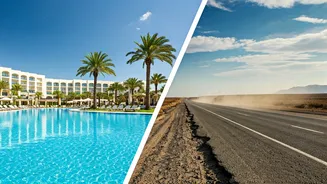





The Instagram vs. Reality Trap
In the age of social media, travel planning often starts with a single, breathtaking image. We see a picture-perfect hotel or a pristine landscape and instantly decide, "I want to go there." The destination becomes the entire focus. We meticulously research
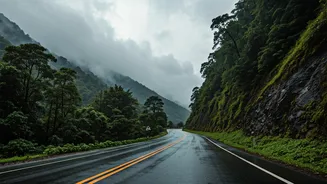
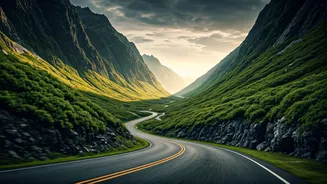
the best rooms, the most scenic viewpoints, and the most 'gram-able' cafes. What we often dangerously overlook is the journey itself. The reality of many dream destinations in India is that they are connected by challenging roads. A curated Instagram feed conveniently edits out the hours spent in gridlock, the nausea-inducing hairpin bends on a poorly maintained ghat road, or the sheer stress of navigating a route notorious for landslides during monsoon. This selective focus creates a fundamental disconnect, setting us up for a holiday where the transit is something to be endured, not enjoyed.
Why the Journey Is Half the Vacation
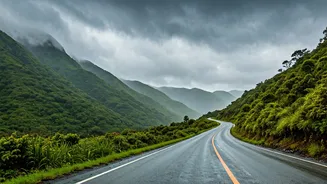
Psychologically, a vacation begins the moment you leave your home, not when you check into your hotel. If that initial leg of the trip is fraught with stress, discomfort, and delays, you arrive at your beautiful destination already exhausted and frustrated. The first day of your precious break is spent recovering from the journey, not soaking in the scenery. A terrible road trip can cast a long shadow over the entire holiday. The memory of children getting carsick, the tension of a near-miss with a vehicle driving on the wrong side, or the hours spent stranded with no food or water can easily overshadow the pleasant moments at the resort. The journey is not just a means to an end; it is an integral part of the experience that sets the tone for everything that follows. A smooth, scenic, and safe drive can be as memorable and enjoyable as the destination itself.
The Hidden Costs of Ignoring the Road
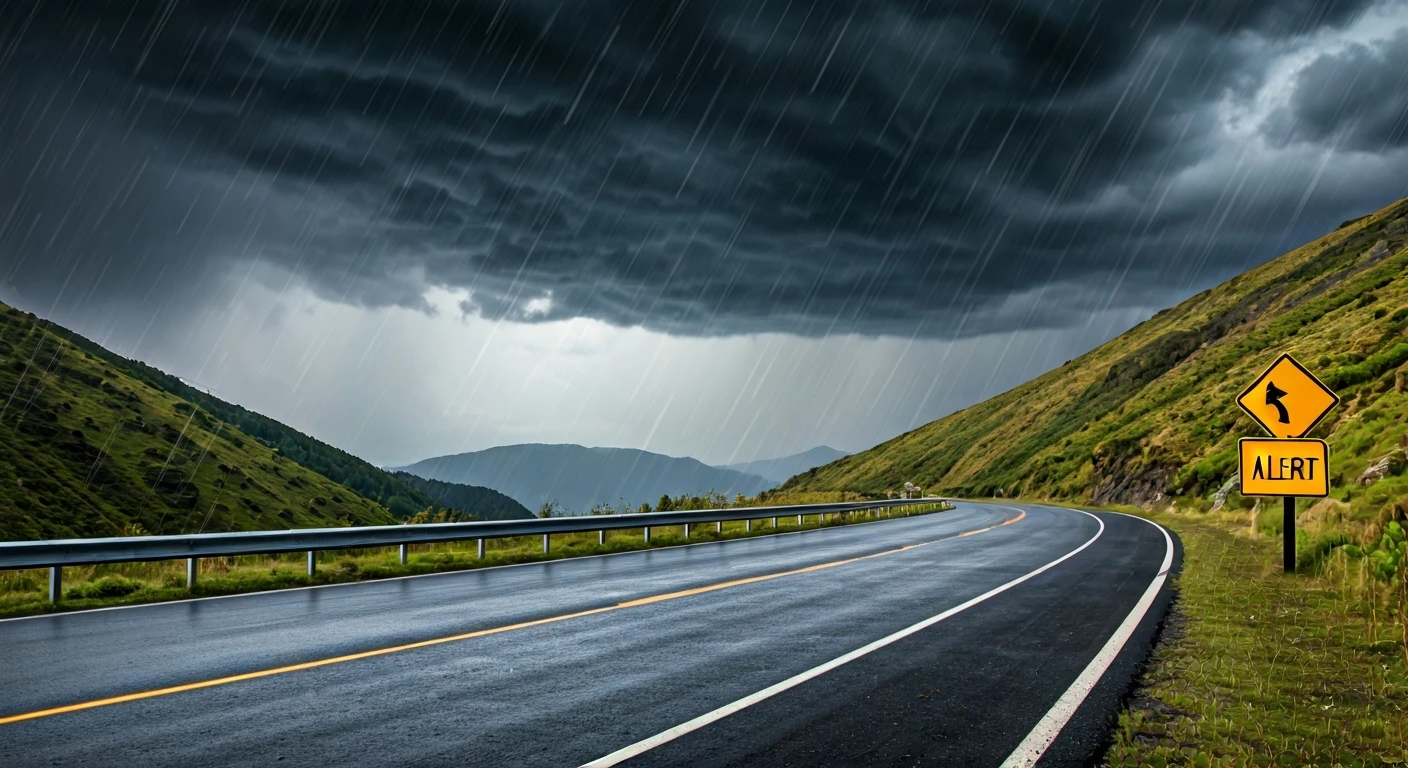
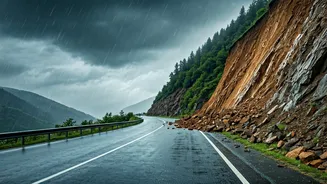
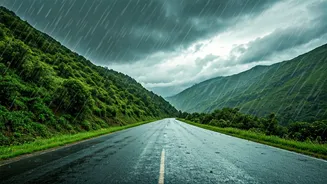
The price of neglecting road conditions goes beyond just a bad mood. There are tangible costs that can disrupt your budget and your peace of mind. Potholes and broken tarmac can lead to tyre damage, suspension issues, and other vehicle repairs that are both expensive and time-consuming. Major traffic jams, like those frequently seen on the Mumbai-Pune Expressway or roads leading to Manali, mean burning through fuel while going nowhere. Most critically, there's the issue of safety. Many popular hill stations in Himachal Pradesh, Uttarakhand, and the Western Ghats are prone to landslides, especially during the monsoon season from June to September. A road that was clear yesterday could be blocked by debris today, leaving travellers stranded for hours or even days. These aren't just inconveniences; they are serious risks.
Your Pre-Trip Road Condition Checklist
Making road conditions a priority in your planning doesn't mean you can't visit beautiful places. It just means travelling smarter. Before you book that hotel, spend 30 minutes on this practical checklist:
1. Check Official Sources: Many state police and transport departments now provide road status updates, especially for regions like Himachal Pradesh. Look for official websites or community-driven platforms that provide live updates on closures.
2. Scan Travel Forums and News: Do a quick search for your intended route on platforms like Team-BHP or Facebook travel groups. Recent posts from fellow travellers offer invaluable, real-world insights into the road's actual condition, which apps might miss.
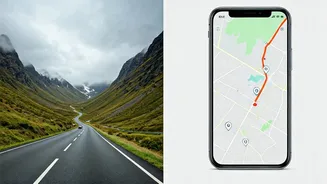
3. Use Navigation Apps Wisely: Tools like Google Maps are great for live traffic, but don't blindly trust the shortest route. A shorter path could be a broken rural road. Use the satellite view to visually inspect the road and compare different route options.
4. Call Ahead: One of the best resources is local knowledge. A day or two before you leave, call your hotel or a local host and ask about the road conditions. They will have the most current information about any recent blockages, construction, or weather-related issues.
Prepare for a Smarter Journey
Beyond research, practical preparation is key. Ensure your vehicle is in top shape, with special attention to tyres (including the spare), brakes, and lights. An emergency kit is non-negotiable. It should include a first-aid kit, a torch, a tow rope, basic tools, and extra water and snacks. For mountain travel during risky seasons, have a backup plan. This could be an alternative route or even a different destination if weather alerts are severe. Having flexibility in your itinerary allows you to make safer choices without feeling like your vacation is ruined. It's about shifting the mindset from a rigid plan to an adaptable adventure.