



Start with the Right Container and Seeds
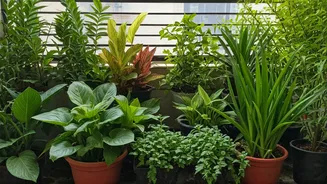
The success of your chili plant begins with its home. While fancy pots are available, many gardeners find success with basic plastic tubs or containers. The key is size and drainage. Choose a pot that is at least 10-12 inches deep to give the roots enough
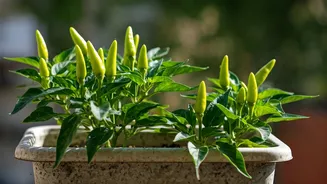
space to grow. [8] Crucially, ensure the container has several drainage holes at the bottom. [4, 23] Chilies hate sitting in water, which can cause their roots to rot. [8] You can start with seeds from a nursery or even use dried seeds from a ripe, healthy chili from your own kitchen. [4] For beginners, popular and resilient Indian varieties like Jwala or other local types are a great choice. [6]
Create the Perfect Soil Foundation
Chili plants are particular about their soil. They thrive in a potting mix that is loose, rich in nutrients, and, most importantly, well-draining. [3, 4] You can buy a pre-made potting mix or create your own. A highly effective homemade mix combines garden soil, compost, and cocopeat or perlite. [6] A common recipe is 40% garden soil, 30% compost, and 20% cocopeat, with a little organic manure mixed in. [6] Compost provides essential nutrients, while cocopeat or perlite helps the soil retain some moisture without becoming waterlogged and improves aeration for healthy root development. [3, 7] Avoid heavy, compacted soil, as it prevents roots from spreading and accessing nutrients. [3]
Sunlight Is Your Secret Ingredient
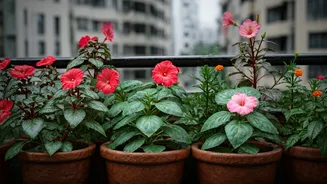
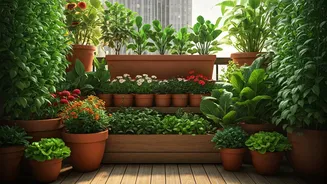
Chili plants are sun-lovers. To produce a healthy flush of flowers and fruit, they need at least six to eight hours of direct sunlight every day. [8, 26] A south- or west-facing balcony is often the ideal location. [19] Without enough sun, plants may become weak and “leggy,” with long stems but few leaves and even fewer chilies. [4] The warmth and light of a balcony can create a perfect microclimate, protecting the plants from strong winds while amplifying heat, which many chili varieties love. [17] If you notice your plant is leaning towards the light, rotate the pot every few days to ensure all sides get even sun exposure.
Master the Art of Watering
One of the most common mistakes in container gardening is improper watering. [4] Chili plants prefer a consistent cycle of drying out and then being watered thoroughly. [18] Before watering, stick your finger about an inch into the soil. If it feels dry, it’s time to water. [8, 25] Pour water until it begins to run out of the drainage holes at the bottom. This ensures the entire root system gets a drink. [4] Avoid letting the pot sit in a saucer full of water. In the peak of summer, potted plants on a balcony can dry out quickly and may need watering daily, preferably in the early morning or evening to reduce evaporation. [23, 25]
Feeding for a Bountiful Harvest
While good soil provides a great start, chilies in containers will eventually use up the available nutrients. To encourage strong growth and plentiful fruit, you’ll need to fertilise them. Once the plant starts to flower, you can begin feeding it every couple of weeks with a balanced organic fertiliser. [15] You can find general-purpose vegetable fertilisers or specific chili feeds at your local nursery. [4] Some gardeners also use liquid fertilisers like seaweed solution. Be careful not to over-fertilise, especially with high-nitrogen feeds, as this can lead to lots of leafy growth but very few chilies. [5]
Pest Patrol and Picking Your Chilies
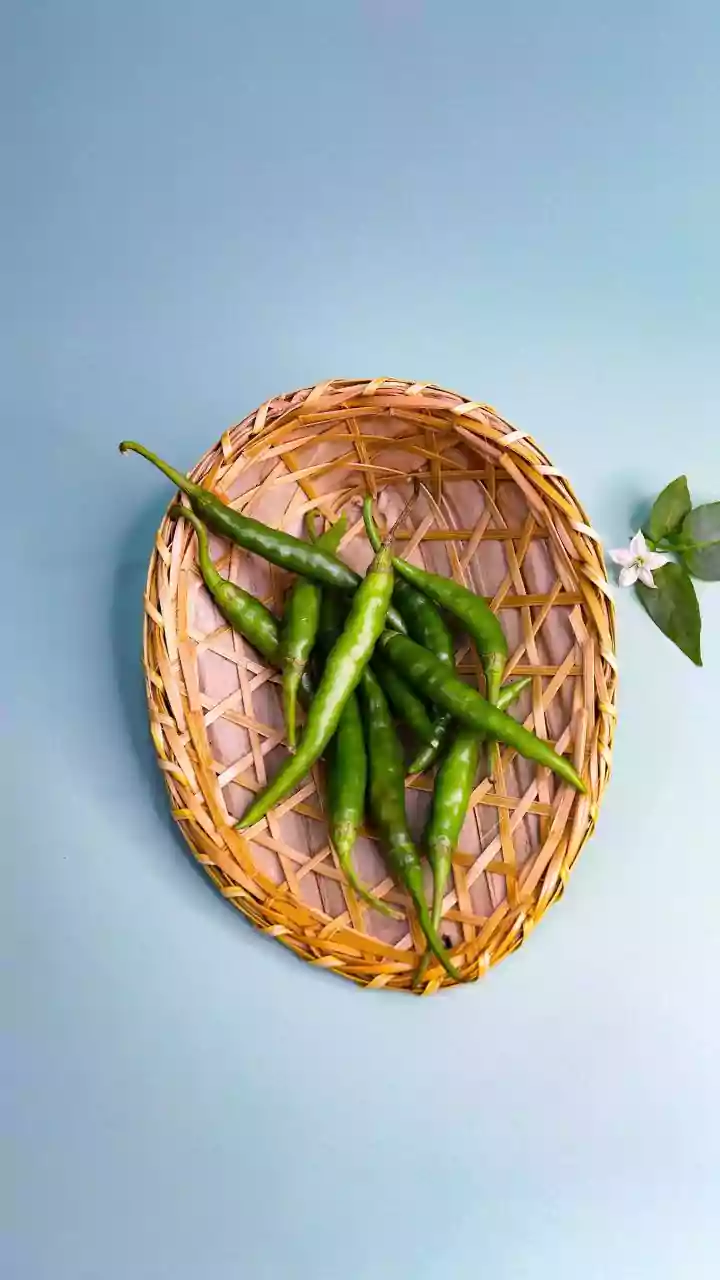
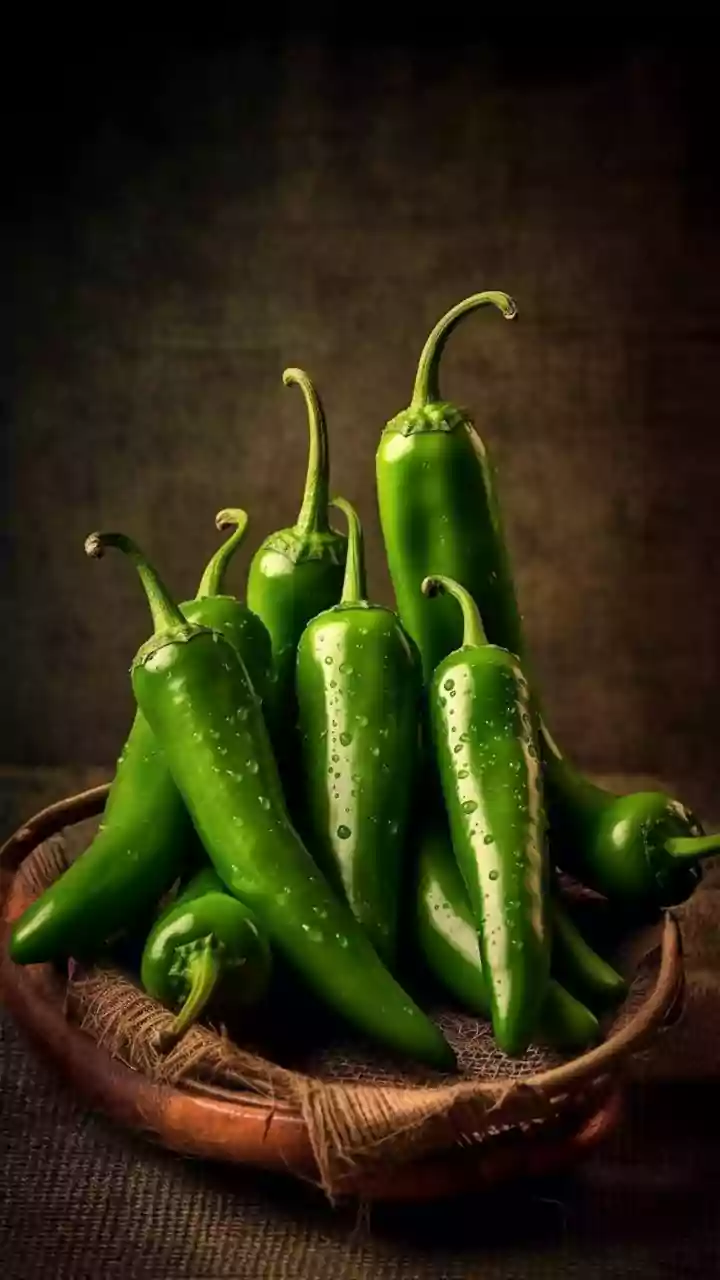
Keep a close eye on your plants for common pests like aphids, spider mites, and whiteflies, which are attracted to new growth. [5, 11] These pests suck sap from the leaves, causing them to curl or turn yellow. [5, 20] Often, a simple spray of diluted neem oil or a soap-water mixture can keep them under control. [5] Once your chilies reach a desired size and are firm to the touch, it’s time to harvest. [24] Regular picking actually encourages the plant to produce more flowers and, consequently, more chilies. [4] You can harvest them green for a sharp, fresh flavour or wait for them to turn red, which often develops a deeper, sweeter heat.