






The Rise of the Grounded Bedroom
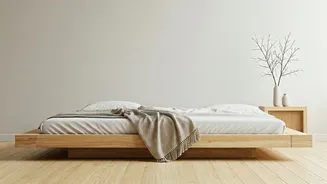
What exactly is this piece of furniture that has captivated designers and homeowners alike? At its core, a low-profile platform bed is a simple, minimalist bed frame that sits much lower to the ground than a traditional bed. It features a solid or slatted
base that supports the mattress directly, eliminating the need for a bulky box spring. The result is a clean, uncluttered silhouette that makes a bedroom feel more spacious and serene. This isn't just about saving space; it's a deliberate design choice that shifts the entire energy of a room. By lowering the visual and physical centre of gravity, these beds create a sense of stability and calm—a quality many of us are craving in our personal sanctuaries.
More Than a Trend: The Japandi Influence
The popularity of the low-profile bed isn't happening in a vacuum. It's deeply connected to the widespread embrace of Japandi design—a hybrid aesthetic that merges Scandinavian functionalism with Japanese rustic minimalism. This philosophy champions clean lines, natural materials, and a focus on creating a peaceful, uncluttered environment. The low-slung wooden bed is a cornerstone of this style, echoing the traditional Japanese futon-on-tatami-mat setup, which promotes a feeling of being connected to the earth. In a world of constant digital noise and urban chaos, the Japandi ethos offers a retreat. It’s about curating a home that feels like an exhalation, and the humble platform bed is central to that vision.
Why Wood Works Wonders
While platform beds come in various materials, it's the wooden ones that are truly capturing hearts. Wood, particularly in lighter tones like oak, ash, or birch, or richer ones like teak and sheesham, brings an organic warmth and texture that metal or upholstered frames can't replicate. It connects us to nature, adding a layer of authenticity and craftsmanship to the bedroom. This aligns perfectly with the principles of wabi-sabi, the Japanese concept of finding beauty in natural imperfection. The unique grain of the wood, the subtle variations in colour—these are celebrated, not hidden. A wooden frame feels honest, durable, and timeless, making it an investment piece that transcends fleeting trends.
Making the Minimalist Look Your Own
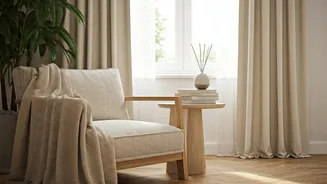
Adopting this aesthetic doesn't mean your bedroom has to be sparse or cold. The beauty of the low-profile wooden bed is its versatility. It serves as a neutral, calming anchor that allows other elements to shine. To style it, think in layers of texture. Pair the smooth wood with soft, rumpled linens, a chunky knit throw, and a few plush pillows in earthy tones like terracotta, sage green, or oatmeal. Keep side tables simple and low—a small wooden stool or a stack of books can work perfectly. Lighting should be soft and ambient; consider a sculptural paper lantern or a simple wall-mounted sconce instead of a harsh overhead light. The goal is to create a harmonious cocoon that feels both sophisticated and deeply personal.
A Reflection of Modern Living
Ultimately, the dominance of the low-profile wooden bed is about more than just aesthetics. It reflects a broader cultural shift towards mindfulness, intentionality, and a desire for simplicity. We are increasingly seeking to create homes that function as true sanctuaries from the outside world. This bed isn't just a place to sleep; it’s a statement of intent. It says you value calm over clutter, nature over novelty, and peace over performance. It transforms the bedroom from a purely functional space into a dedicated zone for rest, rejuvenation, and quiet contemplation.