



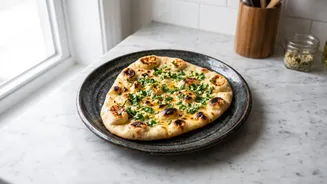
The Secret is a Soft Dough
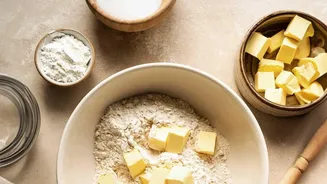
The foundation of any great naan is its dough. The goal is a soft, pliable, and slightly sticky consistency. This is typically achieved by combining all-purpose flour (maida) with a leavening agent. While some recipes use yeast, a quicker and equally
effective version uses baking powder and baking soda. A key ingredient for softness is yogurt (curd), which also adds a subtle tang. Knead the dough with lukewarm milk or water until it is smooth and elastic, which can take a good 5-10 minutes. Don't be tempted to add too much extra flour if it feels sticky; oiling your hands can help manage it. Once kneaded, the dough must rest in a warm place for at least one to two hours, covered with a damp cloth. This allows the gluten to relax and the leavening agents to work, creating a light and airy texture.
Harnessing Garlic and Coriander
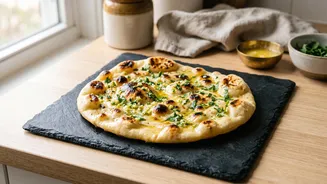
The star flavours, garlic and fresh coriander, need to be prepared and applied correctly for maximum impact. For an intense flavour, you can incorporate garlic in two ways: add minced or pasted garlic directly into the dough, and also press it onto the surface before cooking. To prepare the topping, finely chop several cloves of fresh garlic and a generous bunch of coriander leaves. Some cooks like to mix the chopped garlic and coriander into melted butter or ghee, which is then brushed onto the naan both before and after cooking for layers of flavour. Pressing the garlic and coriander gently into the rolled dough with a rolling pin ensures they stick during the cooking process. For an extra touch, a sprinkle of nigella seeds (kalonji) adds a lovely visual and flavour contrast.
Rolling the Perfect Shape
After the dough has rested and risen, gently knock the air out and divide it into equal-sized balls. Lightly flour your work surface and take one ball of dough. You can shape it into a traditional teardrop or keep it round or oval. To get the classic teardrop, roll the dough into an oval shape, then gently pull on one end. The thickness is important—aim for about 1/4 inch thick. If it's too thin, it might become crispy like a papad; too thick, and it may not cook through properly. Remember to keep the remaining dough balls covered with a cloth to prevent them from drying out.
The Tawa Trick: Mimicking the Tandoor
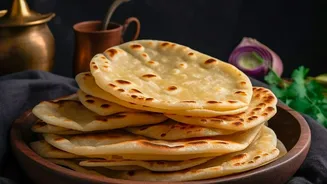
This is where the magic happens. The key is using a cast-iron or heavy-bottomed tawa, as non-stick pans won't work for this technique. Heat the tawa over medium-high heat until it's very hot; a drop of water should sizzle and evaporate instantly. Once your naan is rolled and topped with garlic and coriander, flip it over and brush the plain side liberally with water. This is a crucial step. Immediately place the naan, water-side down, onto the hot tawa. The water will act like a glue, making the naan stick firmly to the surface. Cook for a minute or two until you see bubbles forming on the surface.
Getting the Perfect Char
Once bubbles have appeared and the underside is cooked, do not flip the naan with a spatula. Instead, pick up the tawa by its handle and invert it directly over the gas flame. This allows the direct heat to cook the top of the naan, creating those signature charred spots and smoky flavour that mimics a tandoor. Keep moving the tawa around to ensure the naan cooks evenly and doesn't burn in one spot. After about a minute of direct-flame cooking, the naan should be golden brown and cooked through. Use tongs to gently peel it off the tawa.
The Finishing Touch
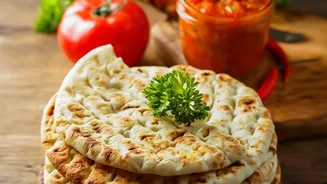
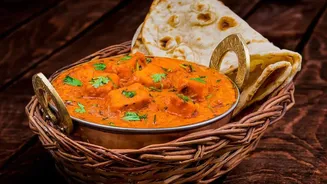
A freshly cooked naan is glorious, but the final step makes it heavenly. As soon as the naan comes off the tawa, brush it generously with melted butter or ghee. You can use the same garlic-coriander butter you prepared earlier for an extra flavour boost. This not only adds incredible richness but also helps to keep the naan soft and moist. Serve your homemade garlic naan immediately while it's hot and fluffy, alongside your favourite curries like dal makhani or paneer butter masala, and watch everyone marvel at your culinary skills.