



The King Arrives: What Makes Chausa Special?
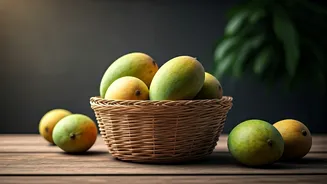
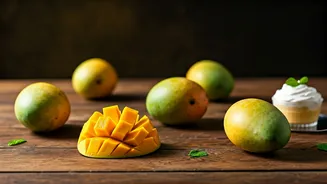
Arriving fashionably late to the mango party, the Chausa season typically begins in June, peaks in July, and can extend into August. [3, 8] This variety, originally from Uttar Pradesh, is renowned for its exceptional sweetness, often described as honey-like,
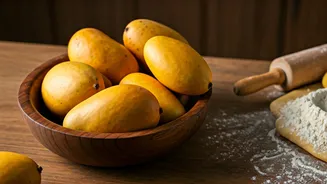
and its potent, musky fragrance. [3, 7] What truly sets it apart for dessert makers is its flesh: incredibly soft, almost completely fibreless, and intensely juicy. [4, 6, 7] This melting texture makes it perfect for creating smooth purées, mousses, and puddings without the stringiness that can affect other varieties. Its skin is thin and turns a beautiful golden-yellow as it ripens, though it often retains a greenish tint near the shoulder. [3, 4] Named by Sher Shah Suri in the 16th century, its legacy as a 'Fruit of Paradise' continues in modern kitchens. [3, 7]
The Weekend Ritual: Why Prep Now?
The idea of weekend prepping is a familiar concept in many Indian households, often involving chopping vegetables or preparing base gravies to ease the weekday rush. [12, 17] This trend now extends to desserts, especially when a prized, perishable ingredient like the Chausa mango is involved. Dedicating a few hours on a Saturday or Sunday to prepare mango-based treats serves a dual purpose. Firstly, it's practical. It allows you to process the delicate fruit at its peak ripeness and create desserts that can be enjoyed throughout the busy week. Secondly, it's a ritual of enjoyment. It’s a way to slow down and mindfully engage with one of summer's greatest pleasures, turning a simple cooking task into a creative and rewarding family activity. Whether you're making a large batch of aamras or assembling individual dessert cups, weekend prepping is about maximizing both time and seasonal joy.
Effortless Elegance: No-Bake Desserts
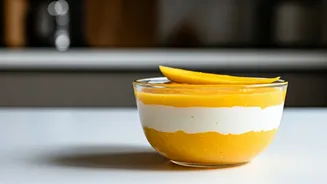
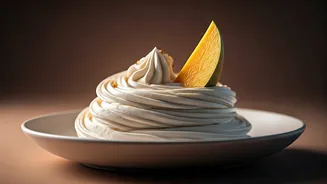
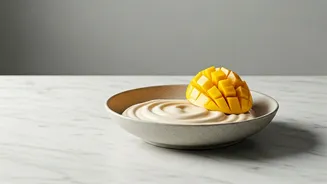
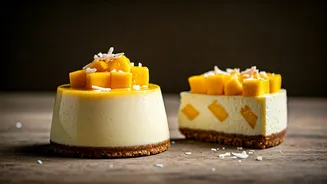
For those who want maximum flavour with minimum fuss, no-bake desserts are the perfect weekend project. The fibreless pulp of Chausa is ideal for these preparations. [5] A classic mango mousse is a fantastic starting point. Simply blend fresh Chausa purée with condensed milk and gently fold in whipped cream for a light, airy dessert that requires only a few hours of chilling. [23] You can add a pinch of cardamom for a traditional Indian touch. [23] Another popular option is a mango trifle, layering cubes of cake, mango purée, cream, and perhaps some crunchy biscuits for texture. [19] These desserts can be prepped in individual cups, making them perfect for grab-and-go treats or elegant after-dinner sweets. [23]
Classic Comfort: Kheer, Phirni, and Kulfi
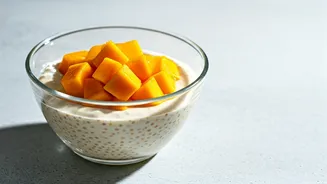
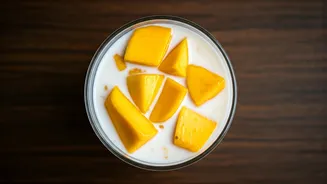
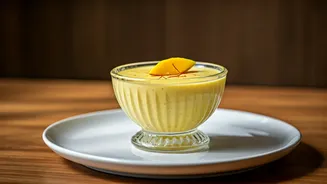
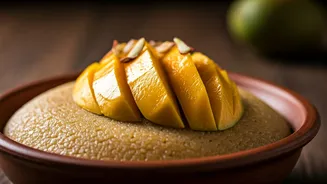
For lovers of traditional Indian sweets, Chausa's intense sweetness and creamy consistency elevate classic recipes. Mango Phirni, a pudding made from ground rice, milk, and sugar, becomes exceptionally luxurious with the addition of fresh mango purée. [22, 25] The same goes for Mango Kheer, where the fruit's flavour beautifully complements the slow-cooked rice and milk. A no-cook version of Mango Kulfi is another simple yet impressive dessert. Blending Chausa pulp with condensed milk, cream, and flavourings like saffron creates a rich base that can be frozen in moulds for a decadent frozen treat. [14, 20] These recipes connect the seasonal fruit to a sense of nostalgia and festive indulgence.
Beyond the Dessert Bowl
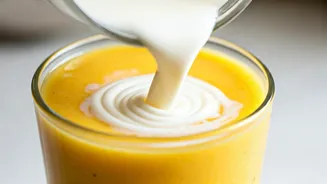
While desserts are the main event, prepping a batch of pure Chausa pulp on the weekend opens up a world of possibilities. A large container of fresh aamras in the fridge is the foundation for a quick weekday breakfast smoothie or a refreshing mango lassi. [15] The pulp can be blended with yoghurt and a touch of salt and roasted cumin for a cooling raita to accompany a spicy meal. [15] You can even get creative by using the pulp in a mango salsa with onions, chillies, and coriander for a sweet and tangy topping for grilled dishes. [15] Having this golden pulp ready to go makes it easy to add a touch of sunshine to any meal of the day.