




Strategic Planning: Before You Go
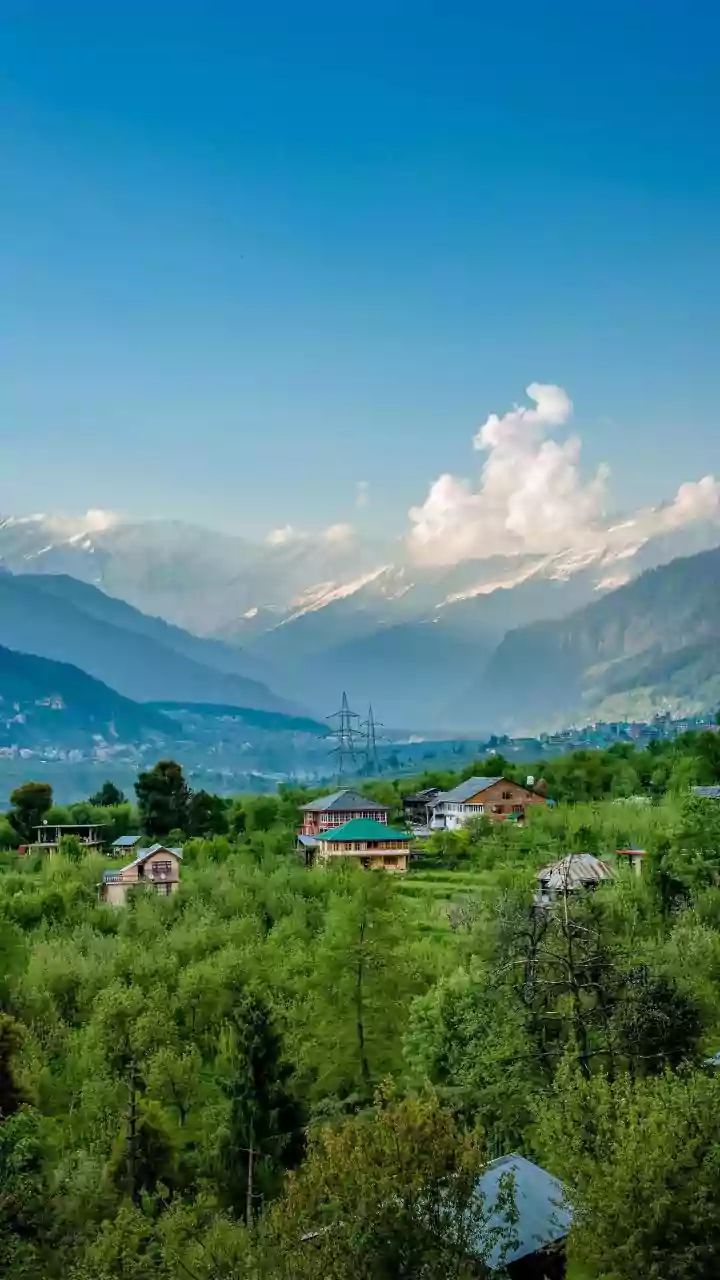
A successful monsoon trip begins long before you pack your bags. The most critical step is choosing your destination wisely. While the allure of misty mountains is strong, many Himalayan regions in states like Himachal Pradesh and Uttarakhand are prone
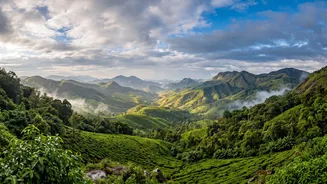
to landslides and flash floods during heavy rains. Consider swapping high-risk corridors for safer alternatives like the Western Ghats or destinations in Rajasthan, which become surprisingly green. Always check the weather forecast from reliable sources like the India Meteorological Department (IMD) not just for your destination, but for the entire route. Plan a flexible itinerary with buffer days built in to accommodate potential delays from slow-moving trains or blocked roads. Booking accommodation with a flexible cancellation policy can also save you from unnecessary stress if plans need to change.
Packing Smart for the Rains
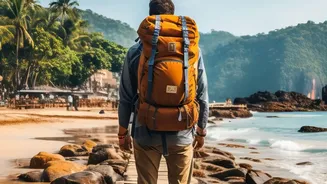
Your packing list for a monsoon trip is different from any other season. Prioritise function over fashion. Opt for quick-drying synthetic fabrics like polyester and nylon over cotton, which absorbs moisture and takes days to dry in high humidity. A lightweight, waterproof rain jacket or poncho is non-negotiable. When it comes to footwear, leave the leather shoes and white sneakers at home. Instead, pack waterproof sandals with a good grip or rubber floaters that can handle wet, slippery surfaces. To protect your valuables, use waterproof bags, covers, and zip-lock pouches for all electronics, documents, and cash. A small, quick-dry microfiber towel is also incredibly useful for drying off after unexpected showers.
On the Road: Driving with Caution
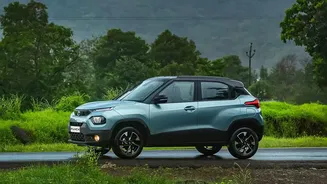
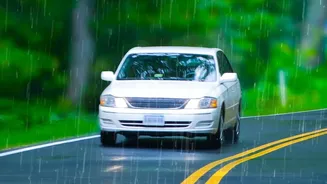
Monsoon road trips offer stunning views but demand extreme caution. Before starting, ensure your vehicle's tyres, brakes, and wipers are in top condition. Wet roads dramatically reduce grip and increase braking distances, so driving slowly and maintaining a safe distance from the vehicle ahead is crucial. It's best to avoid driving at night due to poor visibility. Be extremely wary of waterlogged roads, as they can hide deep potholes or open manholes that can severely damage your car. Never attempt to drive through a flooded area or cross a road where there are signs of a landslide. If visibility becomes too poor, it's always safer to pull over in a secure spot and wait for the rain to subside.
Health and Hygiene on the Go
The monsoon brings an increased risk of waterborne and mosquito-borne diseases. Be vigilant about what you eat and drink. Avoid street food, especially pre-cut fruits and raw items, as the risk of contamination is high. Stick to freshly prepared, hot meals and drink only boiled, filtered, or sealed bottled water. Carry a hand sanitiser and use it frequently. Mosquitoes are rampant during this season, so use a strong insect repellent, wear long-sleeved clothing, and choose light-coloured fabrics, which are less attractive to them. It's also wise to pack a first-aid kit with essentials like antiseptic creams, bandages, anti-fungal powder, and medications for common ailments like colds and stomach upsets.
Embracing the Elements Safely
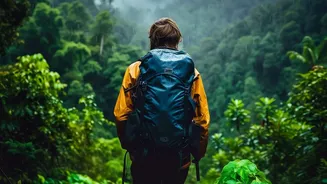
While the rains enhance the beauty of nature, they also make certain activities riskier. Trekking trails can become dangerously slippery, and water currents in rivers and waterfalls can be deceptively strong. It's often best to skip adventure sports or at least check with local guides about the current conditions before proceeding. When you do get wet, which is almost inevitable, try to change into dry clothes as soon as possible to avoid catching a chill or developing fungal infections. Having a small hair dryer can be useful for drying both your hair and damp clothes in an emergency. Ultimately, monsoon travel is about finding joy in the unpredictable. Sometimes the best experience is not sticking to a rigid schedule but relaxing with a hot cup of tea while watching the rain fall.