



From Urban Chaos to Indoor Calm
For years, the aspirational Indian home often mimicked a glossy, international ideal—think high-gloss laminates, metallic accents, and stark, minimalist lines. While sleek, this aesthetic can often feel impersonal and disconnected from our environment.
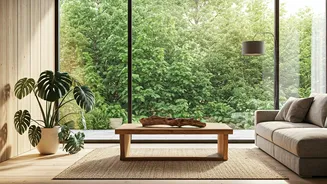
Today, a growing number of homeowners and designers are consciously moving in the opposite direction. Driven by the hustle of city life and a post-pandemic desire for our homes to be sanctuaries, there's a collective craving for spaces that soothe the soul. This has paved the way for natural décor, an approach that prioritises creating a tranquil, nurturing environment by bringing the outdoors in. It’s less about showing off and more about feeling good in your own space.
The Elements of Earthy Elegance
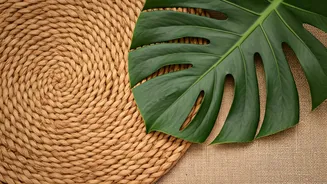
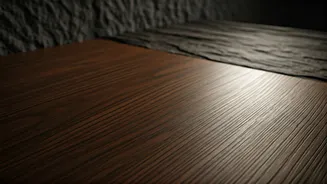
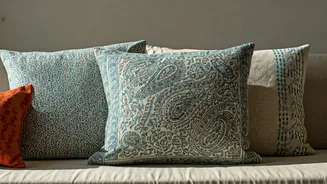
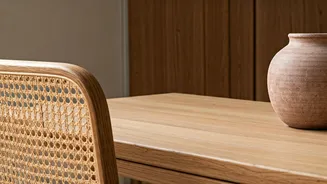
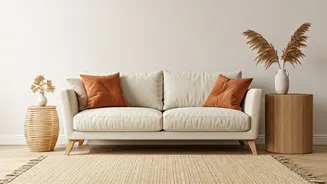
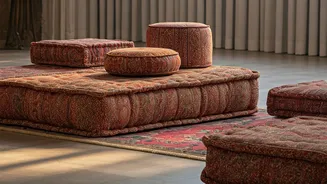
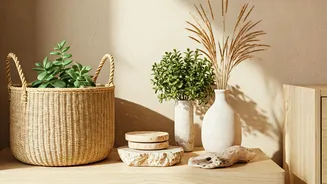
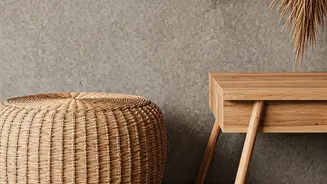
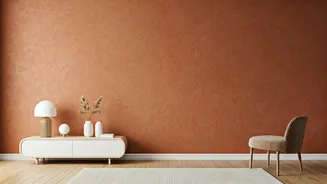
So, what does this trend look like in practice? It’s a multi-sensory experience built on texture, warmth, and imperfection. The core materials are unapologetically organic. We're seeing a resurgence of beautifully grained woods like teak and sheesham, not just in heavy furniture but in wall panelling and flooring. Rattan, cane, and jute are no longer relegated to outdoor patios; they are being celebrated in chairs, cabinets, lampshades, and mirrors, adding a layer of handcrafted texture. The colour palette is drawn directly from the earth: warm terracotta, soft beige, muted greens, and earthy browns dominate, creating a cohesive and calming backdrop. These are accented with natural fabrics like cotton, linen, and handloom textiles, which feel as good as they look.
Biophilia: A Design with Benefits
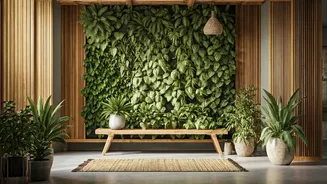
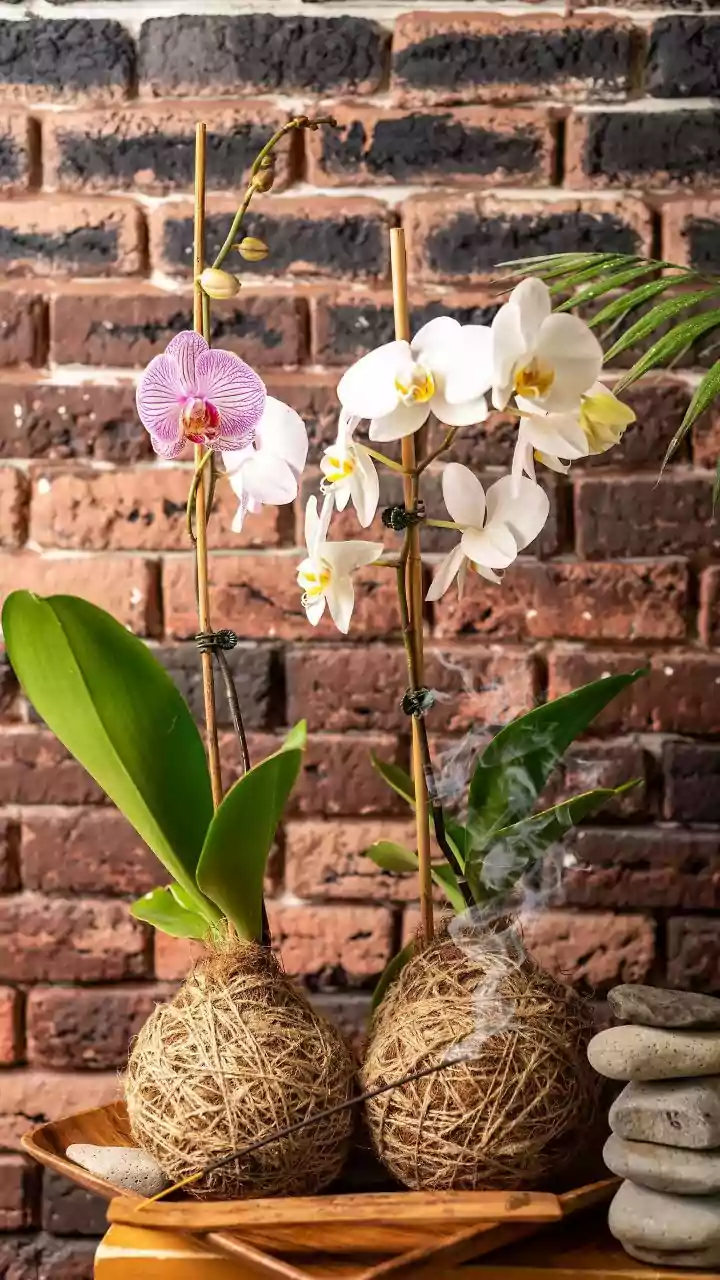
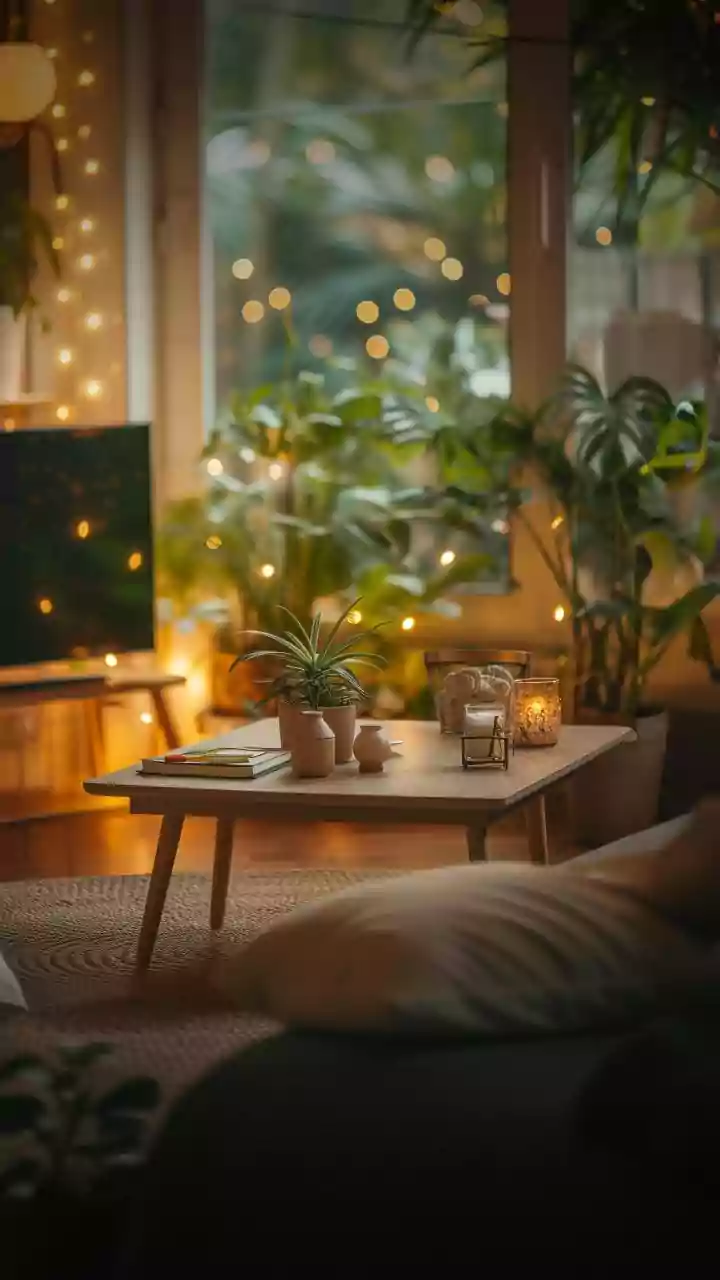
This movement is closely tied to the principle of biophilic design—the idea that humans have an innate need to connect with nature, and that designing our spaces to honour this connection can improve our well-being. This goes beyond simply placing a few potted plants around. It’s about maximising natural light with sheer curtains, creating views of greenery where possible, and using materials and patterns that mimic the natural world. Studies have shown that living in biophilic-inspired spaces can reduce stress, improve cognitive function, and enhance creativity. In a concrete jungle, creating a personal oasis filled with plants, natural light, and organic materials is no longer a luxury but a strategy for healthier living.
A Modern Take on Indian Tradition
What makes this trend particularly powerful in India is how beautifully it merges with our own rich heritage of craftsmanship and design. This is not about importing a foreign aesthetic but about re-discovering and re-imagining our own. The embrace of terracotta connects us to the age-old tradition of clay pottery and 'matkas'. The use of handwoven fabrics and block-printed textiles from Rajasthan and Gujarat brings artisanal stories into our living rooms. Even the intricate cane work echoes techniques passed down through generations. This trend allows us to support local artisans and celebrate materials that are sustainable and culturally significant, creating homes that are not just beautiful but also authentically Indian.
How to Get Started
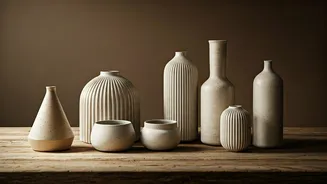
Bringing this look home doesn't require a complete overhaul. You can start small. Swap synthetic cushion covers for ones made of linen or block-printed cotton. Introduce a single statement piece, like a rattan accent chair or a jute rug, to anchor a room. Look for decor items made from natural materials like stone, clay, or wood. Most importantly, embrace plants! Start with low-maintenance options like snake plants or ZZ plants to add life and purify the air. The goal is not perfection but personality. The beauty of natural décor lies in its imperfections—the unique grain of wood, the slight variations in a handmade ceramic vase. It's about creating a space that feels lived-in, personal, and alive.