




Why the Rains Are Your Garden’s Best Friend
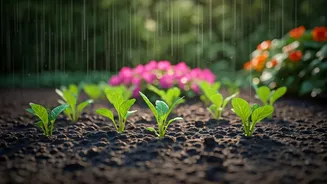
The monsoon season is nature’s invitation to start planting. The consistent rainfall provides a steady and natural water supply, reducing the need for manual irrigation. This ensures that seeds germinate effectively and young saplings establish strong
root systems. The cooler temperatures and high humidity also reduce heat stress on plants, allowing for faster and more vigorous growth. Furthermore, the moist conditions help break down organic matter in the soil, making essential nutrients more available for plant uptake and boosting overall fertility. This combination of abundant water, moderate temperatures, and nutrient-rich soil creates the perfect environment for a wide variety of plants to flourish.
Preparing Your Garden for the Downpour
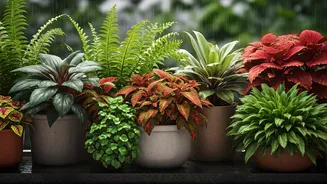
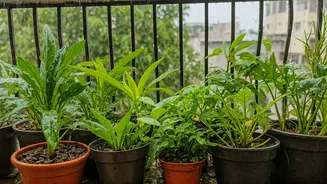
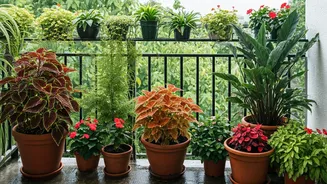
Success in monsoon gardening starts with good preparation. The most critical factor is ensuring proper drainage to prevent waterlogging, which can suffocate roots and lead to fungal diseases. If you're using pots, make sure they have ample drainage holes. For garden beds, consider creating them on raised platforms or amending heavy soil with sand or coco peat to improve its structure. Before the rains begin, it’s wise to enrich your soil with organic compost or manure. Pruning existing plants is also a good idea; trimming overgrown branches improves air circulation and reduces the risk of disease in the damp conditions.
The Best Vegetables to Grow This Season
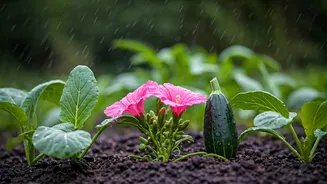
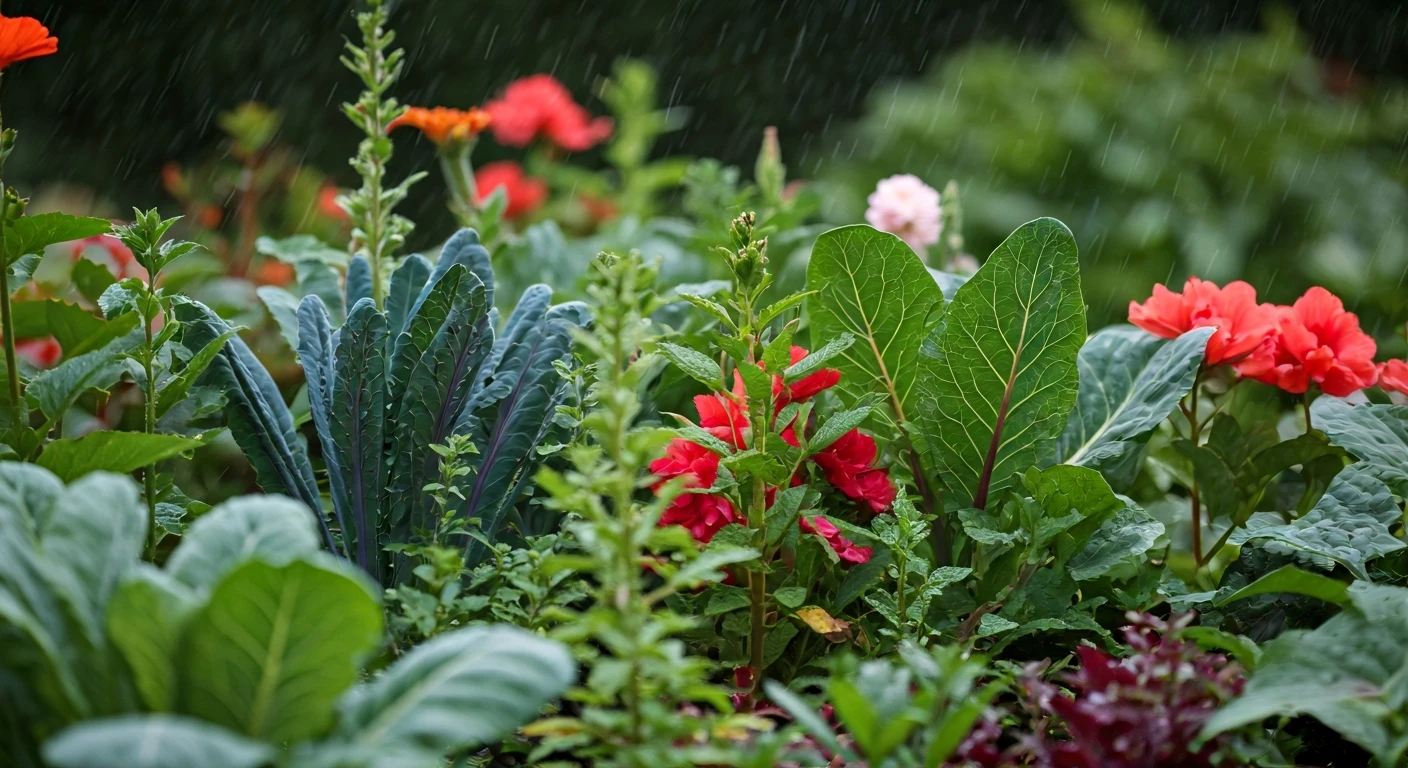
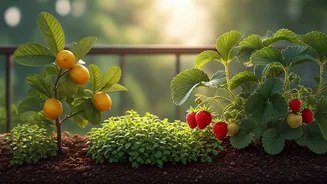
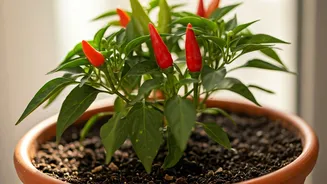
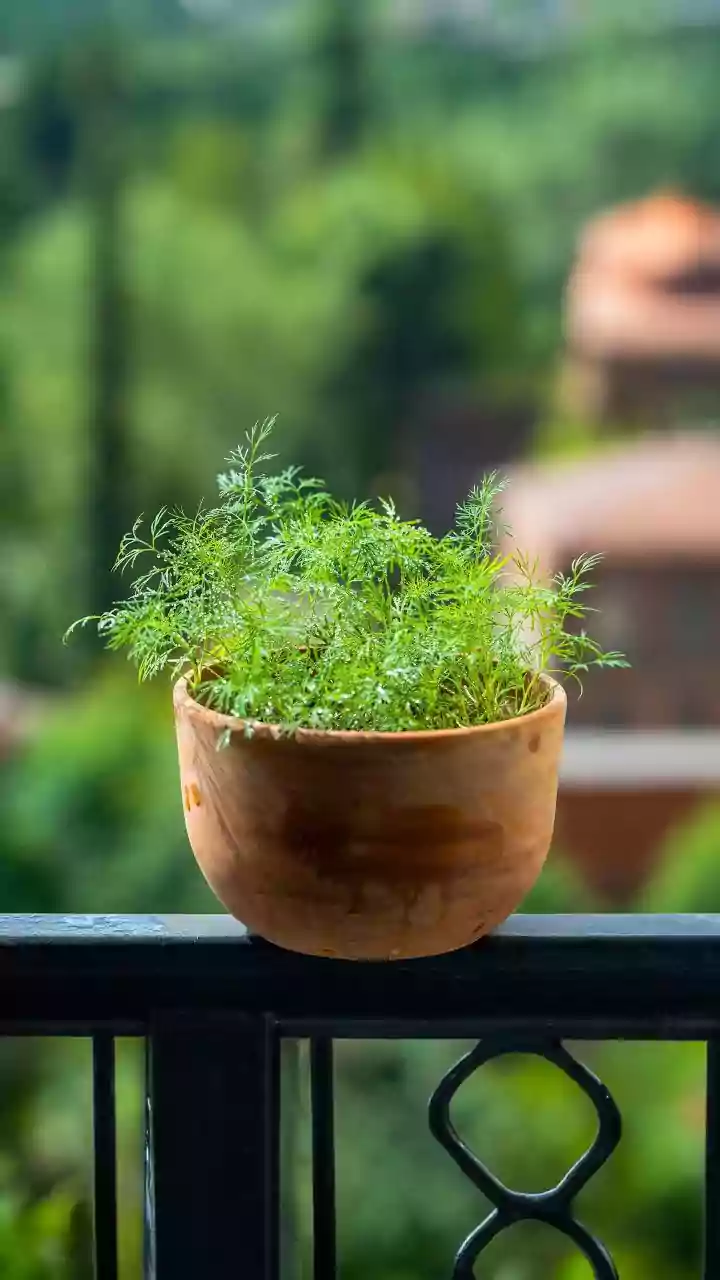
The rainy season is ideal for growing a host of delicious and healthy vegetables. Many Indian kitchen staples thrive in the warm, humid weather. Gourds are a standout choice, with varieties like bottle gourd (lauki), bitter gourd (karela), and ridge gourd (turai) growing vigorously. Other excellent options for your monsoon vegetable patch include okra (bhindi), cucumber, beans, brinjal, and green chillies. These plants are well-adapted to the season and can be grown in pots on a balcony or in a larger garden space. For leafy greens, consider planting spinach (palak) and amaranth (chaulai), which grow quickly in moist conditions.
Flowers That Flourish in the Rain
The monsoon is also a fantastic time to add a splash of colour to your surroundings with flowering plants. Many species burst into vibrant bloom during this season. Hibiscus is a classic choice, as its large, colourful flowers thrive in the humidity. Marigolds are another resilient favourite, known for their cheerful yellow and orange blooms that also help deter pests. For fragrant options, jasmine (mogra) and frangipani (champa) produce intoxicatingly sweet-smelling flowers. You can also plant cosmos, zinnias, and balsam, which add a delicate, beautiful touch and are easy to grow during the rains.
Navigating Common Monsoon Challenges
While the monsoon is beneficial, it also brings challenges. The high humidity creates a perfect breeding ground for pests like slugs, snails, and aphids, as well as fungal diseases like powdery mildew and leaf spot. Regular monitoring is key. To improve air circulation and discourage fungi, ensure your plants are not overcrowded. Weeding is also crucial, as unwanted plants compete for nutrients and can harbour pests. If you spot an infestation, consider using organic solutions like neem oil or garlic spray. Finally, be mindful of overwatering. Even though it's the rainy season, it's important to check the soil; only water if the top inch feels dry to the touch.