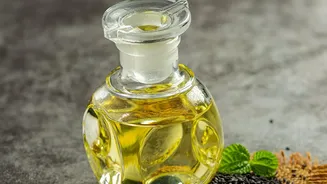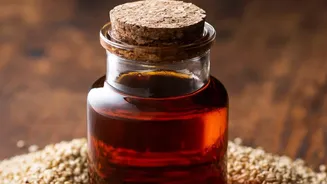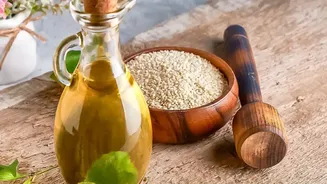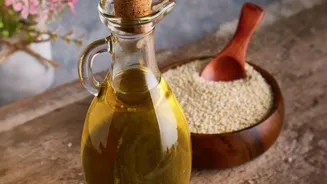






What Does Cold-Pressed Actually Mean?
The term "cold-pressed" refers to how the oil is extracted from sesame seeds. It's a mechanical process where seeds are crushed to release their oil without the use of high heat or harsh chemicals. This gentle method is crucial because it helps preserve
the oil's natural flavour, aroma, and, most importantly, its nutritional integrity. Think of it as the most natural way to get oil from a seed. Refined oils, on the other hand, often undergo processes that involve high temperatures, solvents, and bleaching to create a more neutral-tasting product with a longer shelf life. While this makes them suitable for high-heat cooking, the trade-off is a significant loss of beneficial compounds.
The Antioxidant Powerhouses: Sesamin and Sesamolin
Cold-pressed sesame oil is rich in powerful, naturally occurring antioxidants, primarily lignans called sesamin and sesamolin. These compounds are the heroes of the story. Antioxidants work in the body to combat oxidative stress, which is caused by unstable molecules called free radicals that can damage cells and contribute to chronic health issues. Sesamin and sesamolin have been studied for their anti-inflammatory properties and their ability to protect cells from damage. They contribute to heart health by helping to manage cholesterol levels and are also linked to neuroprotective benefits. These valuable lignans are heat-sensitive, which is why the cold-pressing method is so vital for retaining them.
The Impact of Heat and Refining
The refining process is where those valuable antioxidants get lost. The various stages—which can include degumming, neutralization, bleaching, and deodorization—often involve high heat and chemical treatments. This extensive processing strips the oil of its natural character, including its colour, strong flavour, and many of its nutrients. Studies have shown that antioxidant levels are significantly decreased during the refining process. So, while a bottle of refined sesame oil might be cheaper and have a higher smoke point for deep-frying, it lacks the potent health-protective qualities of its cold-pressed counterpart. You are left with a product that is mostly fat, without the accompanying micronutrients and antioxidants.
Beyond Antioxidants: More Than Just Lignans
The loss isn't just limited to sesamin and sesamolin. Cold-pressed sesame oil is also a good source of Vitamin E, another powerful antioxidant that supports skin health and cellular protection. The refining process diminishes this vitamin content as well. Furthermore, cold-pressed oil retains a richer profile of healthy fats, including polyunsaturated and monounsaturated fats like oleic and linoleic acids, which are beneficial for heart health. The robust, nutty flavour and aroma that make unrefined sesame oil a prized finishing touch in dishes are also preserved in the cold-pressing method but are deliberately removed during refining to create a neutral-tasting oil.
Making the Right Choice for Your Kitchen
Choosing between cold-pressed and refined sesame oil depends on your needs. For maximum health benefits and a rich, nutty flavour, cold-pressed is the clear winner. It's perfect for drizzling over salads, adding to dressings and marinades, or for light sautéing where you want the oil's taste to shine. On the other hand, if you need an oil for high-temperature cooking like deep-frying, refined sesame oil is a more suitable choice due to its higher smoke point and neutral flavour. Understanding this distinction allows you to use the right oil for the right purpose, enjoying flavour and health benefits without compromise. For daily cooking that doesn't involve intense heat, incorporating cold-pressed oil is a simple step towards a more nutrient-dense diet.