




A Celestial Traffic Jam
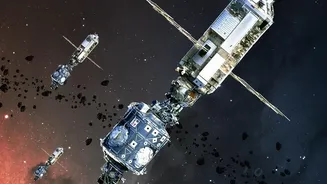
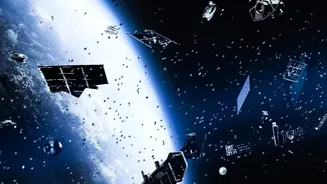
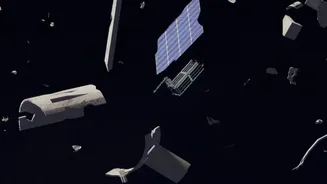
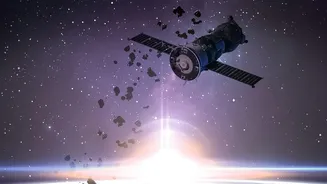
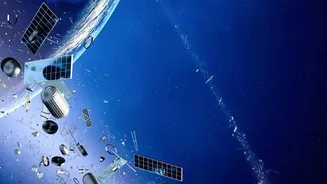
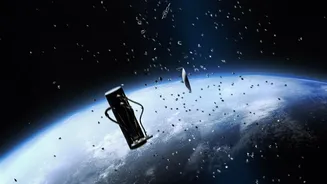
Low Earth Orbit (LEO), the orbital highway where most of our vital satellites for communication, weather, and observation operate, is becoming dangerously congested. Experts estimate over a million objects larger than a centimetre are hurtling around
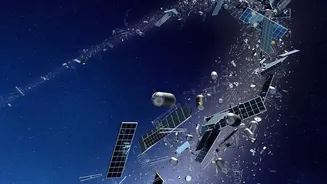
our planet at incredible speeds. These objects, from defunct satellites and spent rocket stages to tiny fragments from past collisions, pose a significant threat. A collision with even a small piece of this space junk could disable or destroy a multi-crore satellite. The problem is getting worse, with the risk of collision in LEO having risen significantly in recent years. For the Indian Space Research Organisation (ISRO), protecting its assets is a top priority, especially as 20 of its 22 active satellites in LEO are at a higher risk. In 2025 alone, ISRO had to perform 20 collision avoidance manoeuvres, with nine more in the first half of 2026, each one consuming precious fuel and shortening a satellite's operational life.
India's AI-Powered Shield
The headline's "AI thrusters" refers not to a new type of engine, but to a far more intelligent system: an AI-driven brain that controls a satellite's existing propulsion system. Instead of relying solely on commands from ground control, these systems aim to give satellites the autonomy to detect a threat and move out of the way on their own. ISRO, in collaboration with academic institutions like IIIT-Delhi and private startups, is heavily invested in developing this capability. The goal is to create a fully automated Space Situational Awareness (SSA) platform that can process vast amounts of tracking data, predict potential collisions, and initiate avoidance manoeuvres without human intervention. This is a crucial step up from current methods, which rely on analysts on the ground tracking known objects and making decisions, a process that is becoming too slow for the rapidly increasing traffic overhead.
How It Works: Sense, Think, Act
The new approach functions like a self-driving car, but for space. The system will continuously analyse data to understand its environment, a concept known as Space Situational Awareness. AI and Machine Learning algorithms sift through data from ground-based radars and other sensors to create a comprehensive map of the orbital environment. When the AI predicts that the path of a piece of debris will intersect with the satellite, it assesses the risk. If the probability of a collision crosses a critical threshold, the AI can automatically command the satellite's onboard thrusters to fire, gently nudging the spacecraft into a new, safer trajectory. This automated 'sense, think, act' loop is what makes the system so powerful. It enables real-time decision-making, which is vital when a warning might only come hours before a potential impact. Startups like Digantara are developing algorithms that will allow future satellites to even communicate with each other to avoid collisions autonomously.
Beyond Collision Avoidance
This push for AI in space is part of a larger strategy for India to become a leader in sustainable and efficient space operations. In parallel with AI-driven avoidance systems, Indian companies are also innovating in the thrusters themselves. Mumbai-based Manastu Space, for example, has developed a 'green' propulsion system using a safer hydrogen peroxide-based fuel. This system is designed to be highly agile, perfect for the quick, precise manoeuvres needed for debris avoidance, while also being more cost-effective and environmentally friendly than traditional toxic fuels. By combining intelligent, autonomous guidance with more efficient and sustainable propulsion, India is building a robust framework for the future of its space programme. This technology isn't just about defence; it's about enabling more complex missions, from satellite servicing and space docking to ensuring the long-term viability of the orbits we all depend on.