






What Sparked the Controversy?
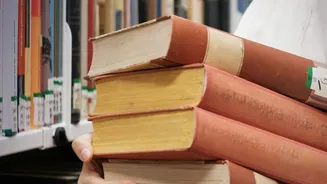
The issue erupted when acclaimed Tamil writer Perumal Murugan flagged major irregularities in the collection of the newly opened Periyar Arivulagam library in Coimbatore. In an online article, he detailed how nearly 1,800 titles from a little-known publisher,
Agal Vilakku Pathippagam, seemed suspicious. The concerns included unfamiliar author names, glaring factual and historical errors, questionable ISBNs (International Standard Book Numbers), and unusually high prices for the books. For example, one book reportedly misidentified 'Naladiyar', a classical collection of verses, as a single poet, while another attributed a famous ancient poem to the wrong author. These revelations triggered a public outcry from writers and publishers, prompting government action and judicial intervention.
The Allegations: Fake Authors and AI Content
The core of the dispute revolves around allegations that public funds were used to purchase books that are fraudulent. This includes books with completely fabricated content, works falsely attributed to real authors like economist Jean Drèze who has disowned the title, and out-of-copyright classics being repackaged and sold as new works. The term 'AI-generated' has also featured prominently, with the state's school education minister calling it potentially 'India's first AI scam'. While it's not confirmed if AI was used to write the books, the court has noted that AI-generated and plagiarised works containing dubious information fall into a category of 'doubtful taste' that shouldn't be procured for public libraries paid for by the taxpayer.
The High Court Steps In
The Madurai Bench of the Madras High Court took up the matter while hearing a contempt petition, which alleged that its previous 2024 judgment directing transparency in book procurement had been ignored. Expressing serious displeasure, a bench of Justices G.R. Swaminathan and M.D. Sumathi described the situation as 'nothing short of a scam'. The court directed the Directorate of Vigilance and Anti-Corruption (DVAC) to register an FIR and launch a full investigation into the procurement process. It also ordered the freezing of bank accounts belonging to the implicated publisher and directed the government to suspend the officials involved. The judges stressed that a crime involving crores of rupees of public money could not have happened without the collusion of public servants.
Accountability and Government Action
In response to the court's stringent orders and the public uproar, the Tamil Nadu government has taken action. Five senior officials from the Directorate of Public Libraries, including some who were on the book procurement and price negotiation committees, have been suspended. A statewide audit was launched, which has so far led to the removal of over 70,000 fraudulent books from library shelves across Tamil Nadu. The court has been pushing for individual accountability, questioning why no specific officials had been identified as culprits initially and demanding a detailed affidavit from the Director of Public Libraries naming every person involved in the flawed procurement chain.
Why This Case Matters
This case goes far beyond a few questionable books. It strikes at the heart of public trust and fiscal responsibility. The court has framed this as an infringement of the public's right to receive accurate and quality information, a right guaranteed under the Constitution. By stocking libraries with 'bogus books by phantom authors', the state fails in its duty to preserve and disseminate genuine knowledge. The scandal has also exposed critical weaknesses in the public procurement system, showing how it can potentially be exploited. The ongoing investigation and the court's firm stance are now a crucial test of transparency and the mechanisms in place to safeguard public funds from misuse.