








Why Pets Struggle in the Humidity
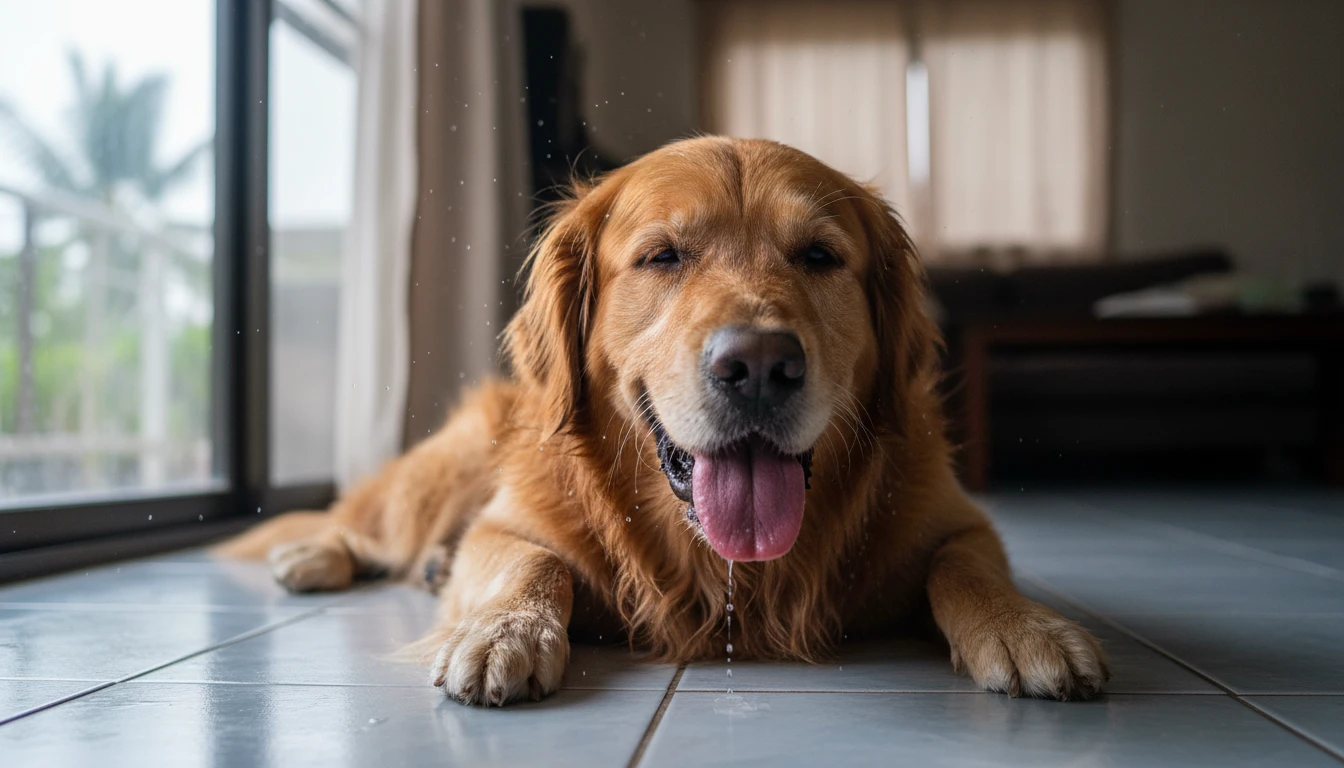
Dogs and cats don't cool down like we do. Humans have sweat glands all over, but our furry companions primarily rely on panting to regulate their body temperature. Panting works through evaporative cooling—as saliva evaporates from their tongue, it dissipates
heat. However, when the air is already saturated with moisture, this process becomes incredibly inefficient. Think of it like trying to dry a wet towel in a steam room; it just doesn't work well. The high moisture content in the air prevents their natural cooling mechanism from functioning properly, leading to a rapid rise in body temperature and the risk of heat exhaustion or heatstroke.
The Human Connection to Humid Heat
This struggle isn't unique to pets. The same scientific principle applies to us. Our bodies also rely on the evaporation of sweat to cool down. In high humidity, sweat clings to our skin instead of evaporating, trapping heat and making us feel much hotter than the actual temperature. This is why a 32°C day in a dry city feels more manageable than a 32°C day in a humid coastal area, which can feel closer to 40°C or more. The sticky, lethargic feeling we experience in a humid room is our body working overtime, just like a panting dog, struggling to release excess heat.
Lesson 1: Air Movement Isn't Always Enough
The first instinct in a stuffy room is often to turn on a fan. While fans can provide relief in dry heat by accelerating sweat evaporation, their effectiveness plummets in high humidity. When the air is thick with moisture, a fan can feel like it's just circulating hot, wet air. It doesn't actually remove any moisture, which is the root cause of the discomfort. For both you and your pet, this means the primary problem—the air's inability to absorb more moisture—is left unsolved. It creates an illusion of cooling without addressing the core issue.
Lesson 2: Fight the Moisture, Not Just the Heat
The key lesson our pets teach us is that effective cooling in humid conditions is about managing moisture first. This is where dehumidification becomes crucial. Air conditioners inherently perform this function as part of their cooling cycle, which is why AC feels so much more refreshing than a fan on a muggy day. The cool, dry air an AC unit circulates can readily absorb moisture from your skin, allowing your body's natural cooling process to work efficiently. Many modern ACs even have a dedicated 'Dry Mode' or 'Dehumidify' setting. This function runs the compressor intermittently while keeping the fan speed low, focusing specifically on removing moisture from the air with less aggressive cooling. This is ideal for those humid, rainy days when the temperature isn't scorching but the air feels heavy and damp.
Smarter Cooling Strategies for Your Home
Applying this lesson is simple. On days with high humidity, prioritise removing moisture. Use the 'Dry Mode' on your air conditioner to make the environment more comfortable without needing to blast cold air, which also saves energy. If your home is persistently damp, a standalone dehumidifier can be a game-changer, making your space feel cooler and allowing your AC to run more efficiently. Simple ventilation tricks also help. Use exhaust fans in kitchens and bathrooms to expel moist air directly outside. On less humid days, create cross-ventilation by opening windows on opposite sides of the house to let breezes flow through, a core principle of traditional Indian passive cooling designs. These strategies create a more comfortable environment for every member of your household, whether they have two legs or four.