





Understanding Your Opponent: What Is Root Rot?
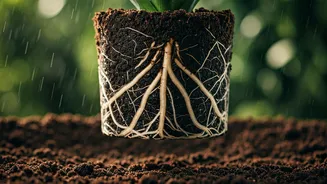
Root rot is exactly what it sounds like: the decay of a plant's root system. It is primarily caused by a lack of oxygen when soil becomes saturated with water. Plant roots need air to function, and when water fills all the air pockets in the soil, the roots essentially
drown. This oxygen-deprived environment becomes a breeding ground for fungi and bacteria that attack the weakened roots, causing them to turn brown, black, and mushy. The constant humidity and rainfall during the Indian monsoon create these ideal waterlogged conditions, making root rot a primary concern for every gardener.
The First Line of Defence: Perfect Pots and Soil
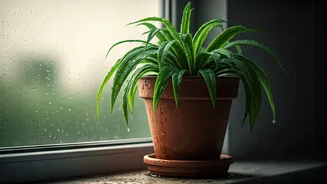
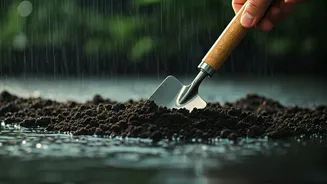
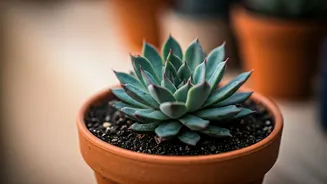
Prevention starts from the ground up. The single most important factor is ensuring excellent drainage. Always use pots with adequate drainage holes at the bottom to allow excess water to escape. Terracotta pots are often recommended for the monsoon as their porous nature helps wick away extra moisture. The soil itself is your next critical tool. Heavy garden soil retains too much water. Create a lighter, well-draining potting mix by adding components like coarse sand, cocopeat, perlite, or vermiculite. This creates air pockets in the soil, preventing it from becoming a soggy mess. Raising pots on bricks or stands can also significantly improve drainage and airflow.
The Art of Watering When It Rains
It may seem counterintuitive to worry about watering during the rainy season, but this is where many gardeners go wrong. With frequent showers, you must adjust your watering schedule. The golden rule is to check the soil before you water. Stick your finger about an inch or two into the soil. If it feels moist, do not water the plant. Let the top layer of soil dry out between waterings, even if it has been a few days. Plants in waterlogged soil cannot absorb water anyway, so adding more only worsens the problem. A moisture meter can be a helpful tool for getting an accurate reading.
Spotting the Trouble: Early Warning Signs
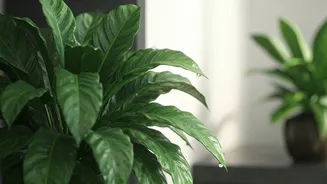
The tricky part about root rot is that the initial damage is hidden underground. However, there are several above-ground signs to watch for. One of the most common symptoms is wilting, even when the soil is wet. This happens because the rotting roots can no longer absorb water to supply the leaves. Other signs include yellowing or dropping leaves (especially lower ones), slowed or stunted growth, and a general unhealthy appearance. If you suspect root rot, you may also notice a foul, musty, or swampy smell coming from the soil, which is a sign of decay.
The Rescue Mission: How to Treat Root Rot
If you confirm your plant has root rot, you must act quickly, though recovery isn't always guaranteed. First, gently remove the plant from its pot and wash away the soil to inspect the roots. Healthy roots are typically firm and white or light-coloured. Rotting roots will be brown or black, soft, and mushy, and may even fall apart when touched. Using a pair of clean, sterilised scissors, carefully trim away all the affected, mushy roots. Be thorough, as leaving any diseased roots behind can allow the rot to spread. If a significant portion of the roots were removed, you might need to prune back some of the plant's foliage as well.
A Fresh Start and Proactive Care
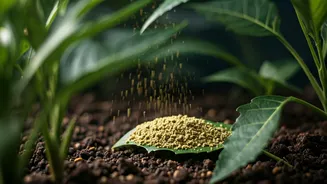
After trimming the roots, discard the old, contaminated soil. Thoroughly wash and disinfect the pot before repotting the plant in fresh, well-draining soil. Some gardeners recommend dusting the remaining healthy roots with a natural fungicide like cinnamon or turmeric powder before repotting. Neem oil, mixed with water and a little soap, can also be used as a soil drench to help control fungal growth. Ensure good air circulation around your plants by not overcrowding them, as this helps foliage dry faster and reduces humidity. Regular pruning of dead or decaying leaves also helps prevent fungal issues.