

The Renter's Dilemma: Blank Walls
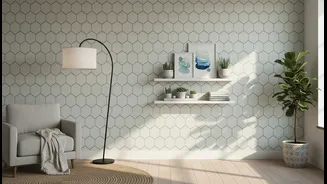
The rule is simple and ubiquitous across Indian cities: no permanent changes. For most landlords, this primarily means no drilling holes and, most importantly, no painting the walls. This leaves many renters feeling stuck in a home that feels impersonal
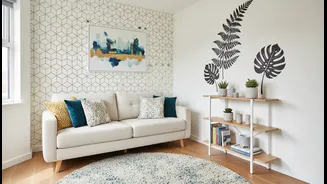
and sterile. The effort and cost of painting, only to have to paint it back to the original white or beige before moving, is a significant deterrent. This frustration has sparked a creative shift in interior design, moving the focus away from walls and onto more flexible, portable elements. Instead of thinking of your rental as a fixed box, modern decorating approaches it as a stage where temporary, high-impact items take the lead.
Lighting: Your Invisible Paintbrush
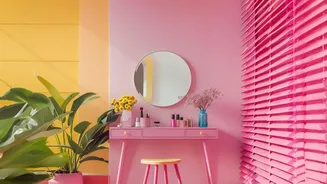
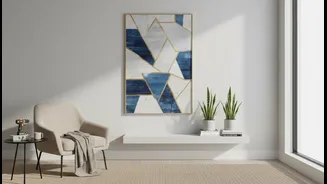
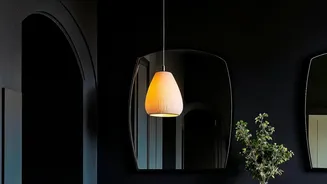
One of the most powerful tools at a renter's disposal is light. It's changeable, non-damaging, and can dramatically alter the look and feel of a room in seconds. The key is to think in layers. Start with your main ambient light, but then add floor lamps, table lamps, and, most effectively, smart lighting. LED light strips are a game-changer for renters. Tucked behind a headboard, under kitchen cabinets, or along the top of a bookshelf, they can wash a wall in any colour imaginable. A soft pink can make a living room feel warm and inviting, while a cool blue can create a calming atmosphere in the bedroom. Smart bulbs that can be controlled from your phone offer similar flexibility, allowing you to change a room's entire colour scheme to match your mood, the weather, or even the music you're playing. This is a way to 'paint' with light, creating dynamic effects that traditional paint could never achieve.
Textiles: The Ultimate Colour Carrier
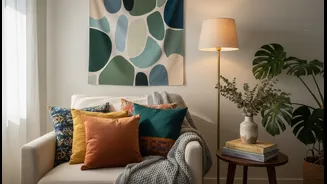
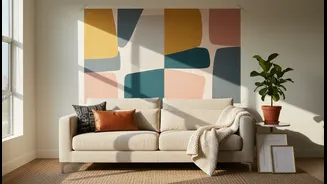
If lighting is the invisible brush, textiles are the vibrant canvas. Fabric brings colour, pattern, and texture into a space with an ease that paint can't match. A large, colourful tapestry or a beautiful block-printed fabric panel can serve as a stunning focal point, doing the job of an expensive accent wall. The best part is the damage-free installation. Instead of nails, you can use removable adhesive hooks, tension rods placed in an alcove, or velcro strips. For lighter fabrics, you can even use liquid starch to temporarily apply the fabric directly to the wall, creating a wallpaper-like effect that peels off easily later. This technique allows you to cover an entire wall in a bold pattern or texture, completely transforming the room without any permanent commitment.
Beyond the Walls: Floors and Furniture
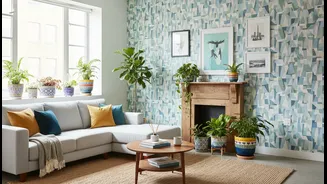
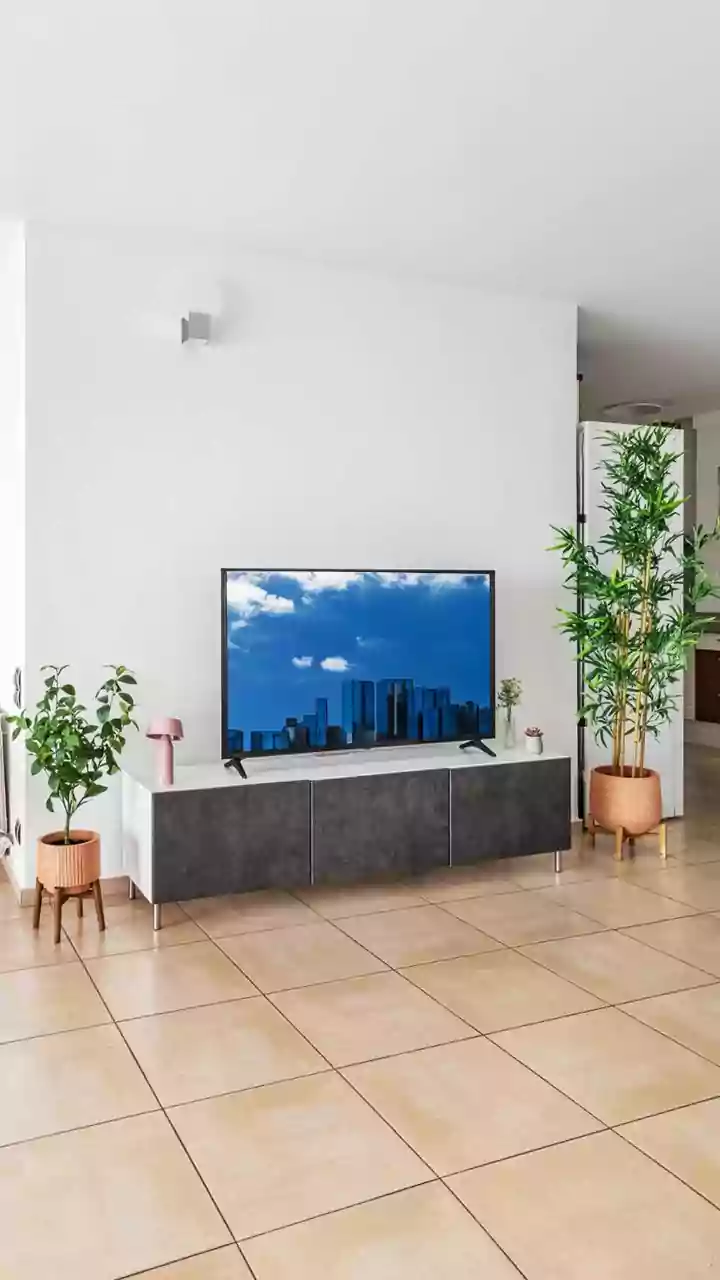
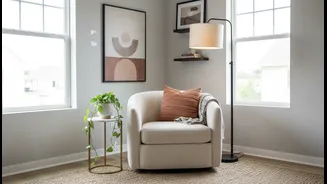
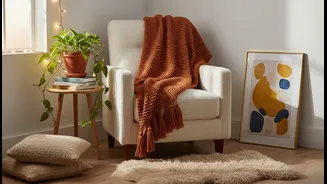
The work of textiles doesn't stop at the walls. The floor is often the largest uninterrupted surface in a room, and for a renter, it is prime real estate for decoration. Indian rental homes frequently feature plain tile or marble floors that can feel cold. A large, colourful rug instantly anchors a space, defines a zone (like a living or dining area), and adds warmth and softness underfoot. You can even layer multiple rugs for a more textured, bohemian look. This strategy extends to your furniture as well. Brightly coloured cushions, patterned throw blankets, and vibrant upholstery can inject personality into a room full of neutral, landlord-provided furniture. These small, affordable additions work together to build a cohesive and colourful palette that distracts the eye from the plain walls.
A Cohesive, Portable Home
The true art of decorating a rental is making these disparate elements feel intentional. The goal is to create a unified theme where your lighting and textiles work in harmony. Choose a colour palette and stick to it across your cushions, rugs, and even the tones you select on your smart lights. This creates a designed look that feels deliberate, not accidental. By focusing on these portable solutions, you are not just decorating a temporary space; you are investing in a collection of beautiful items that will move with you. Your favourite tapestry, your versatile smart lamps, and your cosy rugs become the core of your home's identity, ready to be deployed in your next space. It is a more sustainable and personally rewarding way to approach home decor.