
Understanding Gentle Flow Yoga
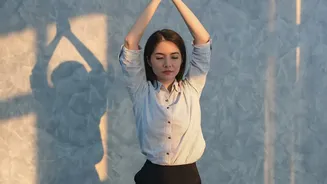
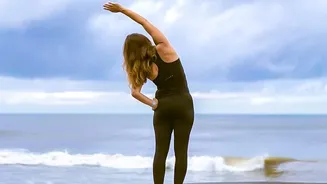
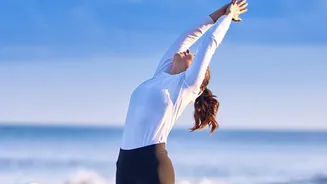
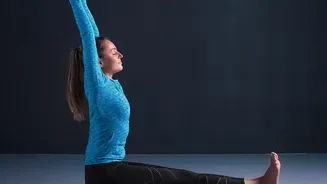
Unlike fast-paced or power-focused yoga styles, gentle flow is defined by slow, deliberate movements linked together by breath. The "flow" describes the smooth, continuous transition from one pose to the next, prioritising mindfulness and body awareness
over speed or athletic intensity. It is rooted in Hatha principles and is highly accessible, making it ideal for beginners or anyone seeking a restorative practice. The focus is less on achieving a perfect posture and more on how the movement feels, encouraging a safe and natural release of tension.
The Science of a Calmer Mind
The pressures of work and study often trigger the body's sympathetic nervous system, also known as the "fight-or-flight" response. This keeps you in a state of high alert, increasing stress hormones like cortisol. Gentle yoga helps counteract this by activating the parasympathetic nervous system, or the "rest-and-digest" state. Slow, mindful movements and controlled breathing signal to your brain that you are safe, helping to lower heart rate, reduce cortisol levels, and calm the nervous system. This physiological shift is why practitioners often report feeling significantly calmer and more grounded after just one session.
The Power of Conscious Breathing
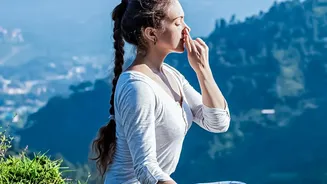
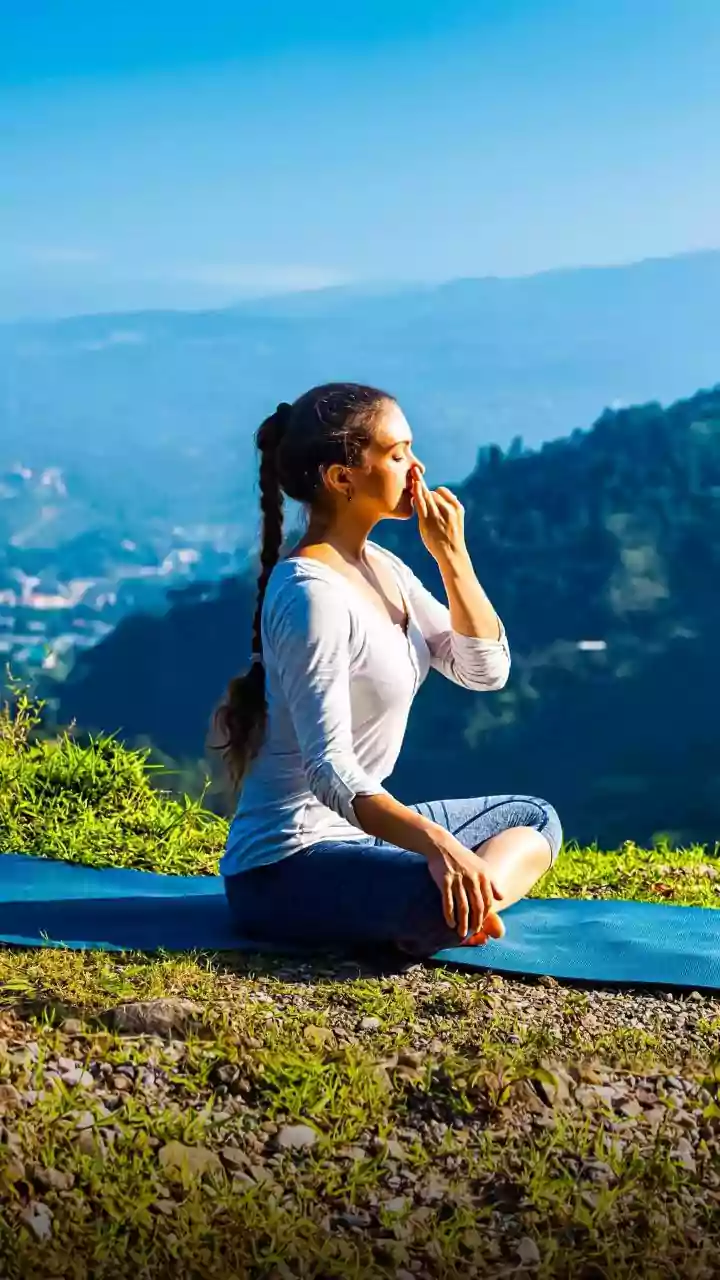
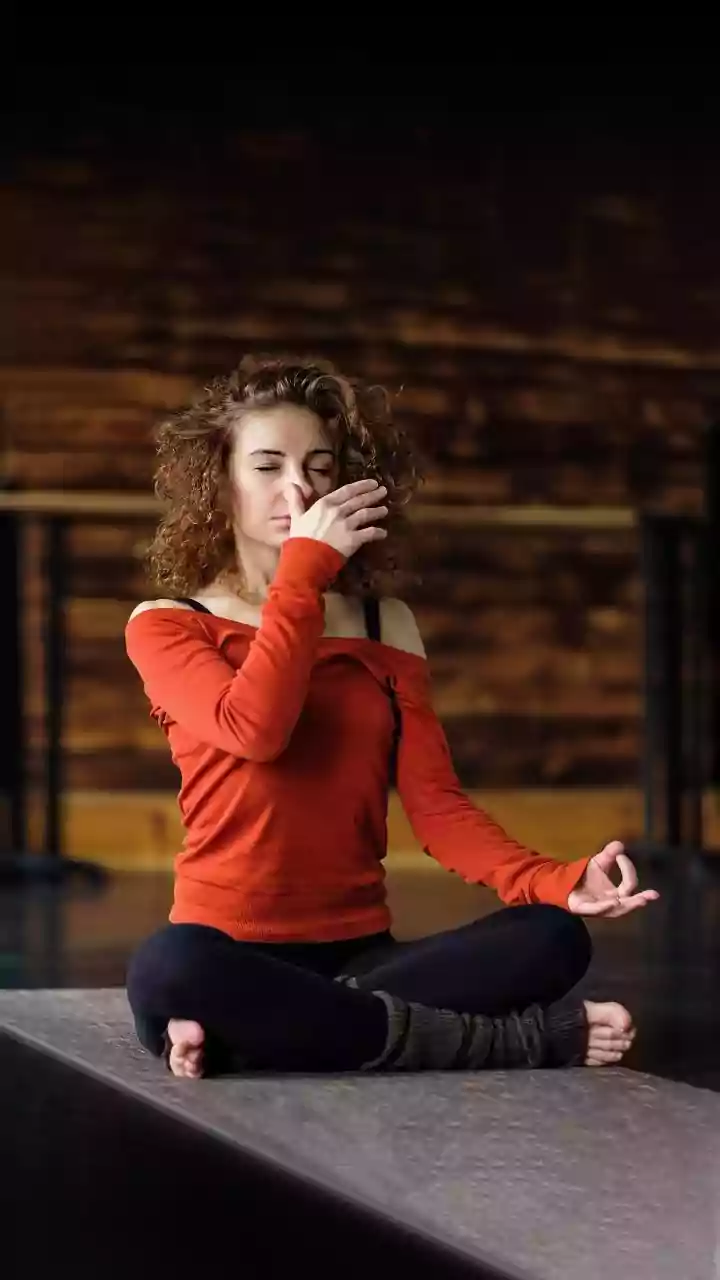
In yoga, conscious breathing is called pranayama, and it's a cornerstone of stress reduction. When you feel anxious, your breath often becomes shallow and rapid, which only heightens the feeling of stress. Gentle flow yoga teaches you to slow down and deepen your breath, which directly influences your mental state. Techniques like Dirga pranayama (three-part breath), where you consciously fill your belly, ribs, and chest, help improve oxygen flow and calm the nervous system. This intentional focus on the breath anchors you in the present moment, quietens racing thoughts, and provides a powerful tool for managing anxiety both on and off the mat.
Key Poses to Release Tension
Certain poses are particularly effective for alleviating the physical manifestations of stress. The Cat-Cow stretch, a gentle flow between an arched and rounded spine, helps improve spinal flexibility and release tension in the back and shoulders. Child's Pose is a deeply restorative posture that calms the mind while gently stretching the hips and back. A Supine Spinal Twist helps decompress the spine and can ease back and neck tension. Standing Forward Bends are excellent for releasing the entire back of the body and combating fatigue. These poses don't require extreme flexibility and focus on surrendering to the stretch, allowing stored tension to melt away.
Integrating Calm into Your Daily Life
The benefits of gentle flow yoga extend far beyond the time spent on your mat. The practice cultivates mindfulness and body awareness, skills that are invaluable during a hectic workday or intense study session. When you feel pressure mounting, you can use the breathing techniques you’ve learned to regulate your stress response in real-time. Taking just a few moments to focus on slow, deep breaths can shift your nervous system out of overdrive. Similarly, simple stretches inspired by yoga, like neck rolls or gentle twists in your chair, can help release physical tension before it builds up, keeping you more focused and comfortable throughout your day.