

A Journey Curated by the Chef
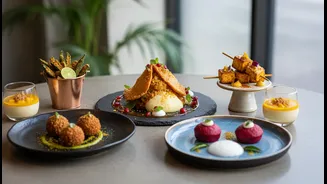
Instead of ordering à la carte, a tasting menu offers a multi-course meal of small, sequential dishes for a set price. This format is less about picking a single dish and more about surrendering control to the kitchen for a narrative experience. Diners
are increasingly seeking these unique, story-driven meals where each plate builds on the last, transforming dinner from a simple meal into a memorable event. This shift reflects a change in how people want to dine; they are trading predictability for discovery and curiosity. This is particularly true in India, where the format is booming not just in metros like Mumbai and Delhi, but also in Tier-2 cities like Jaipur and Kochi, where a growing class of diners has a taste for global trends.
The Ultimate Creative Canvas
For chefs, the tasting menu is the ultimate form of creative expression. It’s a platform to showcase their skills, experiment with seasonal ingredients, and tell a compelling story through food. Freed from the constraints of a large, static menu, chefs can create a focused, cohesive experience that reflects their vision. This format allows them to highlight unique local produce, modern techniques, and personal inspirations that might not fit into a conventional menu. Prateek Sadhu, chef-founder of Naar, notes that this isn't just a trend but a fundamental shift, where ingredient storytelling is now central to the dining experience. This freedom often leads to more innovative and personal cooking, giving diners a true taste of a chef's culinary identity.
A Smarter, More Sustainable Business
The “win” for restaurants isn't just creative. Tasting menus offer significant operational advantages. Knowing exactly what each guest will eat allows for precise inventory control, drastically reducing food waste. This predictability also leads to more stable food costs and higher profit margins. With a streamlined set of dishes to prepare, kitchens can operate with greater consistency and efficiency. Furthermore, the fixed price per guest helps restaurants forecast revenue more accurately. A unique and talked-about tasting menu can also be a powerful marketing tool, generating buzz on social media and attracting the attention of food critics and awards. It gives diners a reason to choose one restaurant over another, making it a competitive edge.
Beyond the White Tablecloth
While once the exclusive domain of formal, fine-dining establishments, the tasting menu concept is becoming more accessible. Restaurants across India, from celebrated names like Indian Accent and Masque to farm-to-table concepts like Farmlore in Bengaluru, are using the format to tell diverse stories. Some chefs are reinterpreting nostalgic flavours and street food in elegant, multi-course formats, while others are using menus to explore India's rich biodiversity with foraged ingredients. This democratisation of the tasting menu means that unique, chef-led experiences are no longer reserved for a once-in-a-lifetime splurge but are becoming a more regular option for adventurous food lovers seeking something beyond the ordinary.